
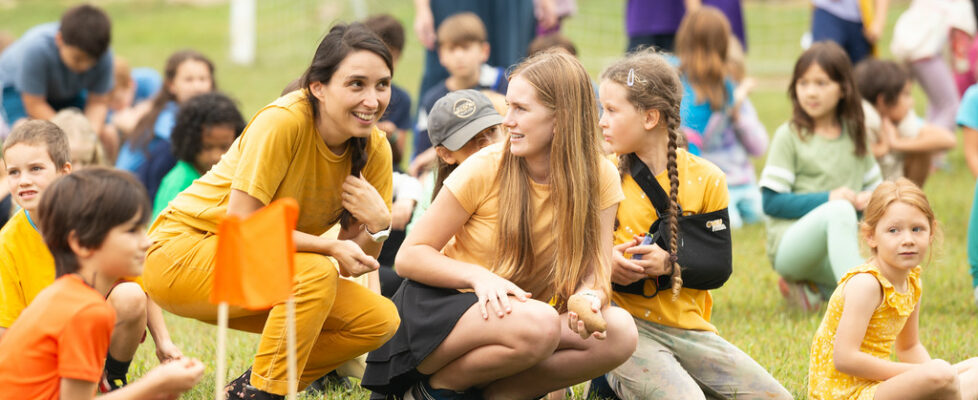
A Child-Centered Educational Model Where Kids Feel “Seen”.
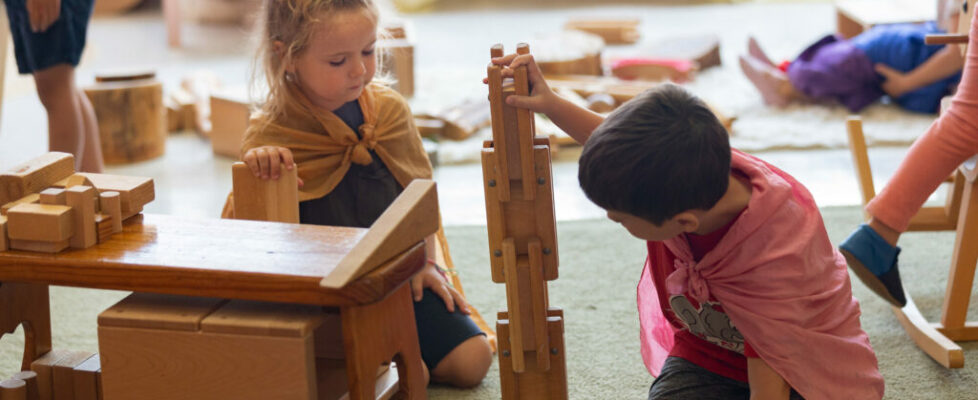
One of the best scientific predictors for how a child turns out in terms of happiness, academic success, and meaningful relationships is whether adults in their life consistently show up for them. Waldorf teachers strive to see and recognize each of their students, greeting them each morning individually, and working with them over multiple years to build on their unique strengths and meet their individual challenges so they can thrive.
At Richmond Waldorf School, we recognize that our student’s physical, social and emotional well-being are a key part of their ability to learn and thrive. Our holistic approach to education prioritizes critical thinking, communication, collaboration and creativity to prepare students for the challenges of the 21st century.
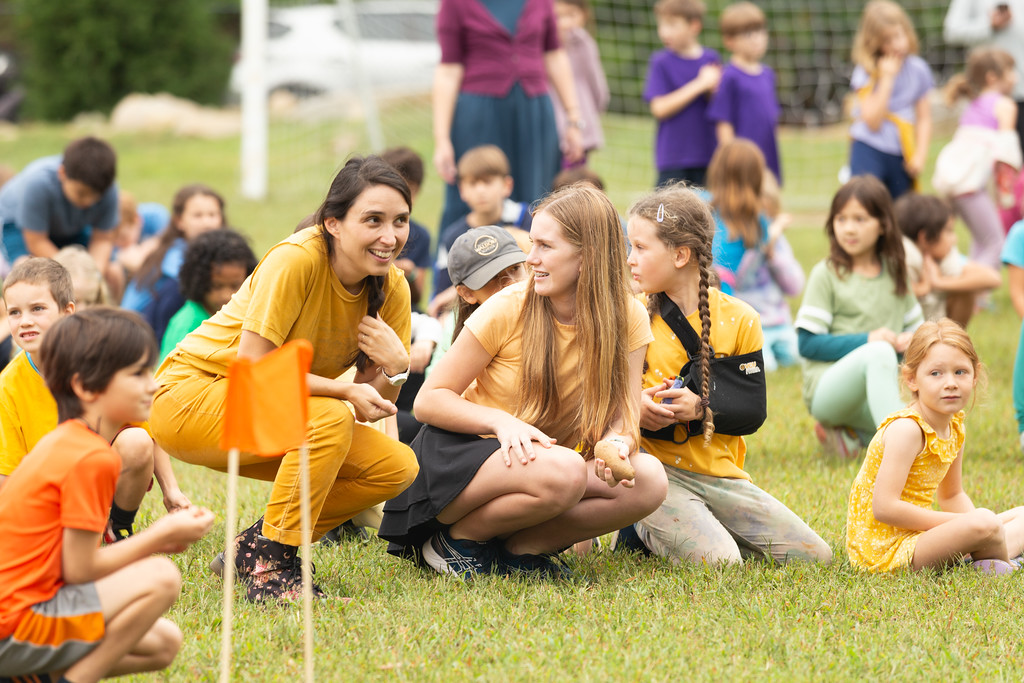
At its heart, Waldorf education understands that relationships are the cornerstone of learning. We strive every day to meet and see our students, honoring them for who they are, and helping them learn to navigate and participate in long-term relationship. Waldorf teachers have a long-term relationship with their students, so we can call on our history and long-term work with students to help them reach their full potential and feel safe, seen, and heard.

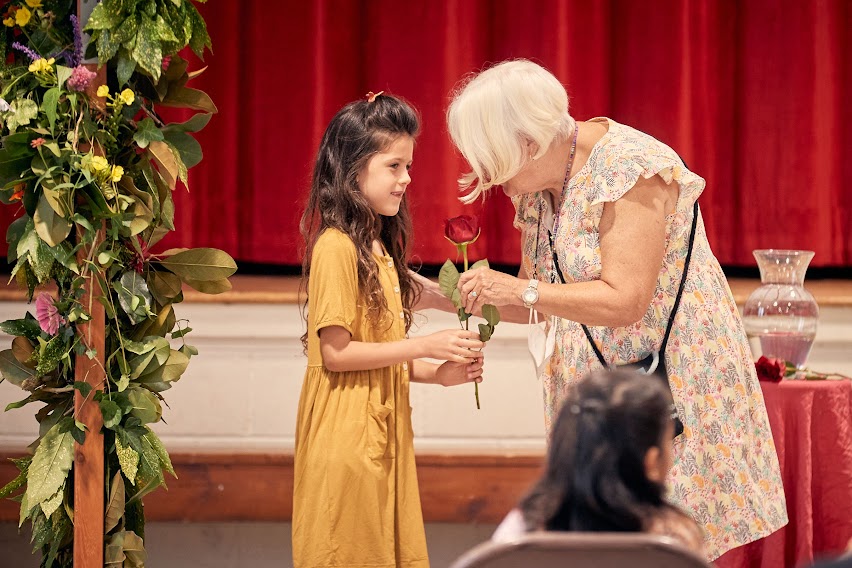
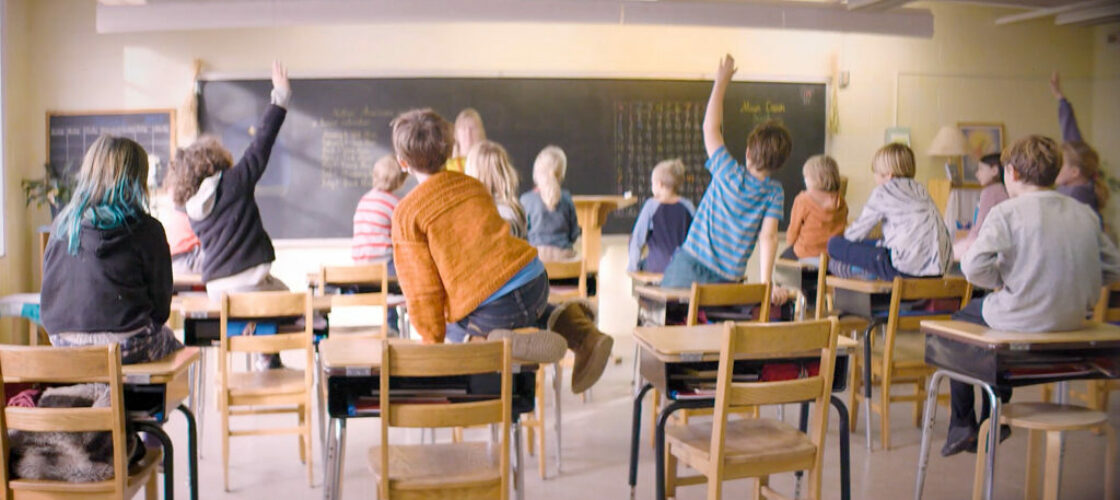
There are moments throughout the school day and school year for students to shine. Each teacher takes time every morning to shake each student’s hand and check in with them. This handshake helps the teacher to get a window into how that student is today – are they happy and alert? Tired and lethargic? These indicators help our teachers understand how to provide a child-centered experience every day.
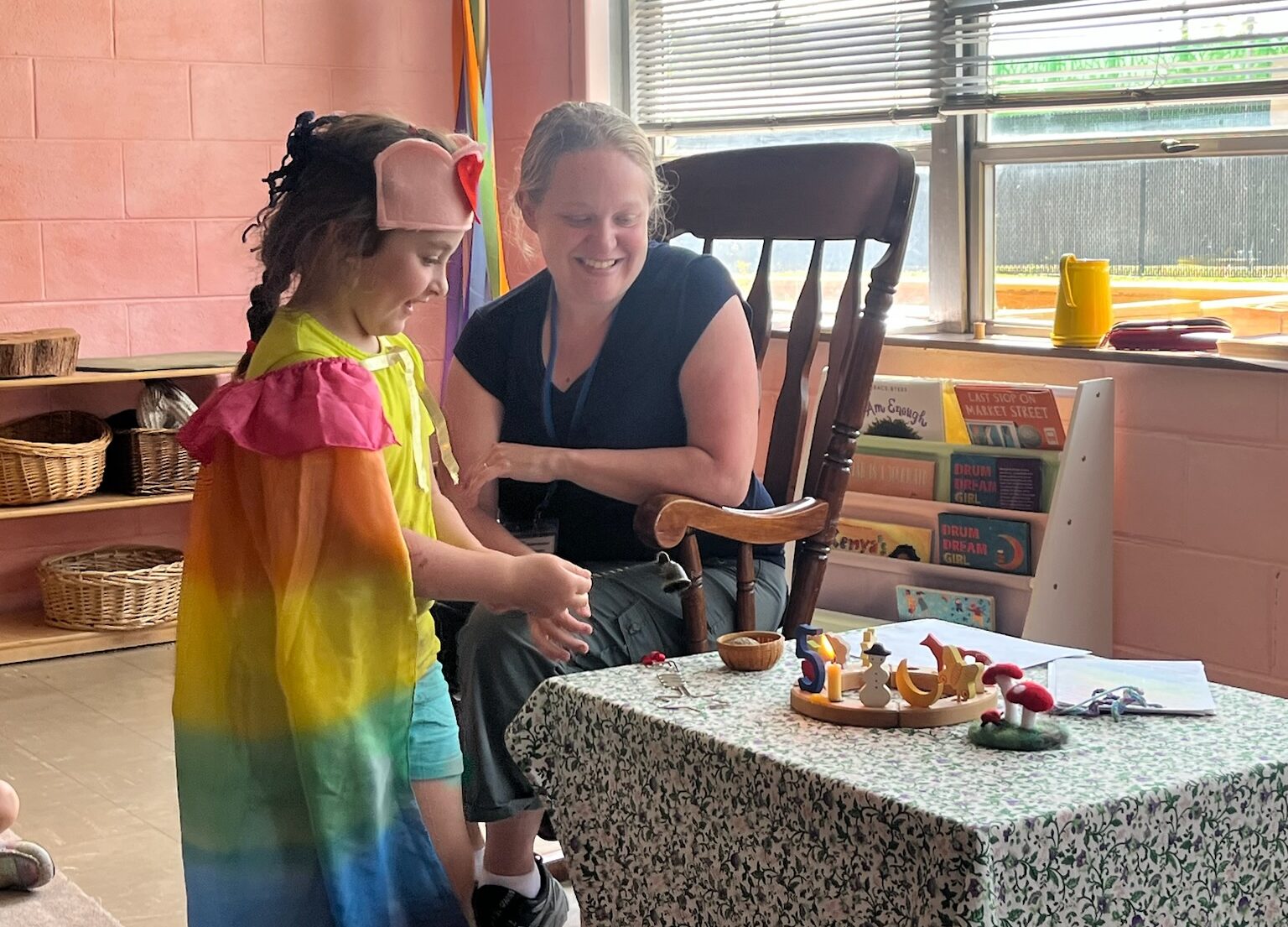
At Richmond Waldorf School, a teacher will move up through the grades with their students for years, progressing through the elementary and middle grades with the children. Early Childhood teachers may work with a child for several years up through Kindergarten. This continuity enables a deep understanding of each student’s strengths and challenges, and supports the development of a rich social dynamic in the class. When a Waldorf teacher meets her 1st grade class, it is the beginning of a remarkable journey. The class teacher is responsible for the core academic subjects and introduces the entirety of the elementary school curriculum.
This long-term relationship, or teacher “looping” is a hallmark of Waldorf education. We see the benefits in the children’s social and emotional learning as well as their academic success. By having a teacher work with a group of students over multiple years, the children are known deeply, and the teacher is in a unique position to support that child’s growth and development.
Research continues to show the importance of relationships on student success. We loved this article from Ideas.TED.com from January 2020, and have excerpted a few parts below:
Strategy #1 for helping kids feel seen: Let curiosity lead you to take a deeper dive
A practical first step to helping our kids feel seen is just observe them — take the time to look at their behavior, discard preconceived ideas, and consider what’s really going on with. But really seeing them often requires more than just paying attention to what’s readily visible. Just as with adults, it’s often the case with children that there’s more going on beneath the surface than they let on. As parents, part of our responsibility is to dive deeper.
Practically speaking, that means being willing to look beyond your initial assumptions and interpretations about what’s going on with your kids. It means taking an attitude of curiosity rather than immediate judgment.
This curiosity is key. It’s one of the most important tools that a caring parent can use. When your toddler plays the “let’s push the plate of spaghetti off the high chair” game, your initial response might be frustration. If you assume he’s trying to press your buttons, you’ll respond accordingly. But if you look at his face and notice how fascinated he is by the splatter on the floor and the wall, you might feel and respond differently.
Cognitive scientists Alison Gopnik, Andrew Meltzoff and Patricia Kuhl have written about “the scientist in the crib,” explaining that a large percentage of what babies and young children do is part of an instinctual drive to learn and explore. If you can take a moment, pause and ask yourself, “I wonder why he did that?” If you see him as a young researcher who is gathering data as he explores this world, you can at the very least respond to his actions with intentionality and patience, even as you clean up his experiment.
We encourage parents to chase the “why” behind kids’ behavior. By asking “Why is my child doing that?” rather than immediately labeling an action as “bad behavior,” we’re much more likely to respond to the action for what it is. Sometimes it really may be a behavior that should be addressed. We believe that children definitely need boundaries, and it’s our job to teach them what’s okay and what’s not. But other times a child’s action may come from a developmentally typical place, in which case it should be responded to as such.
The same goes for other behaviors. If your child is quiet when she meets an adult and resists speaking up, she may not be refusing to be well mannered; she may be feeling shy or anxious. Again, that doesn’t mean you don’t teach her social skills along the way or encourage her to learn to speak in situations that are uncomfortable. It just means you want to see her for where she is right now. What are the feelings behind the behavior? Chase the why and examine the cause of her reticence; then you can respond more intentionally and effectively.
Strategy #2 for helping kids feel seen: Make space and time to look and learn
Much about seeing our kids is simply paying attention during the day, but it’s also about generating opportunities that allow your kids to show you who they are. Nighttime can be a great time to do this. There’s something about the end of the day, when the home gets quiet and the body feels tired, when distractions drop away and defenses are down, that makes us more apt to talk about our thoughts and memories, our fears and desires. This goes for all of us, adults and kids.
What’s required is a bit of effort and planning in terms of the family schedule. Kids need an adequate amount of sleep — we can’t stress that enough — so ideally you’ll begin bedtime early enough to make time for your usual routine plus a few minutes of chat or quiet waiting time to allow your children to talk if they are inclined. They might share details of their day or ask questions that help you gain a fuller understanding of what’s going on in their worlds — actual or imaginary.
We know what some of you are thinking: “I don’t have one of those kids who willingly shares what they’re thinking and feeling.” We get it. The answer to the “How was your day” question seems to inevitably lead to the dreaded “Fine.” Imagining a chat time added to your child’s bedtime routine may produce the unpleasant image of you and your child silently lying next to each other, both of you waiting for something important to be shared.
We understand this concern. Keep in mind that the idea isn’t that every evening you’ll hear some earth-shattering revelation or deep exchange. That’s not realistic between adults, much less with kids. What’s more, it’s not the goal. The ultimate aim is to be present to your children — to create space and time to get to know them better and to understand them at a deeper level so you can help them grow into the fullness of who they are.
If you have a child who doesn’t eagerly share their inner thoughts, then you may need to ask more specific questions or pose ethical dilemmas you can consider together. The more you see and know your child, the easier this will become. At times, of course, silence is okay too. Being quiet together, simply breathing, can be intimate and connecting. So don’t feel pressure to force conversation when it’s not the right time.
We know it can be confusing, trying to determine what to say when and whether to encourage conversation or let things be quiet. But one of the best ways to see your kids — and to help them feel seen — is to create the space and time that cultivate opportunities for that kind of vision to take place.
Excerpted from The Power of Showing Up: How Parental Presence Shapes Who Our Kids Become and How Their Brains Get Wired by Daniel J. Siegel and Tina Payne Bryson.
Want to Learn More?
We would love for you to explore the Waldorf approach! Sign up for a tour, or watch our school video where students talk about life at Richmond Waldorf School. Get to know us and see if RWS is right for your child.
At Richmond Waldorf School, we recognize that our student’s physical, social, and emotional well-being are a key part of their ability to learn and thrive. We look forward to meeting you and sharing more information about Waldorf education.
Valerie Hogan
Enrollment & Marketing Administrator
admissions@richmondwaldorf.com | 804-377-8024 ext 3
Richmond Waldorf School is a non-profit, private school in Richmond, Virginia offering Waldorf education for grades Pre-K – 8th grade.








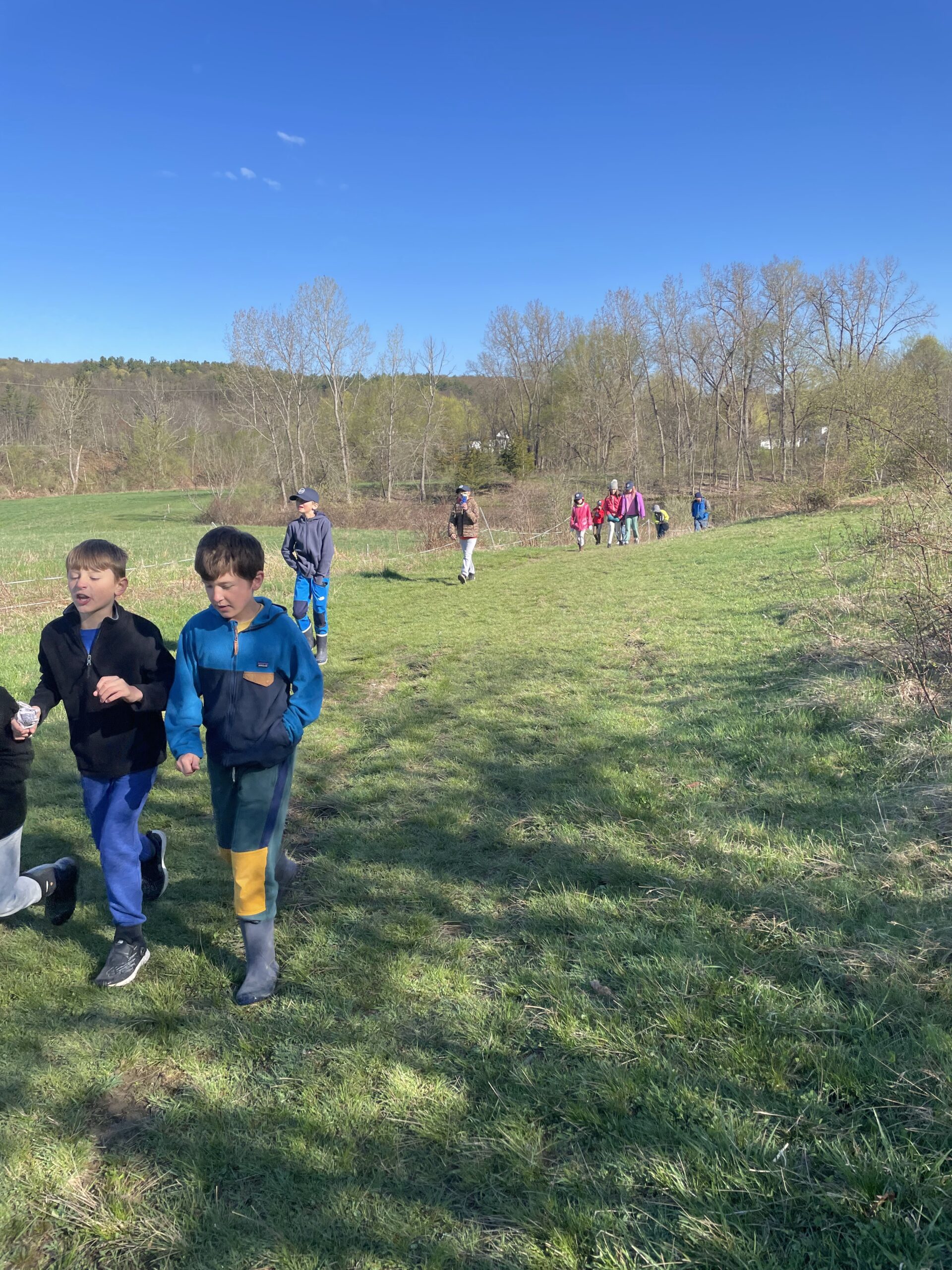
 The developmental phase that third graders experience is called the “nine year change” and p






 By Al Daniel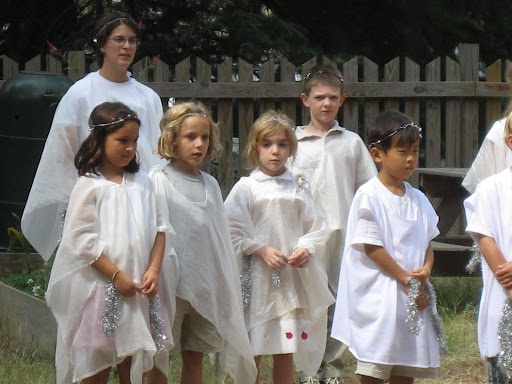
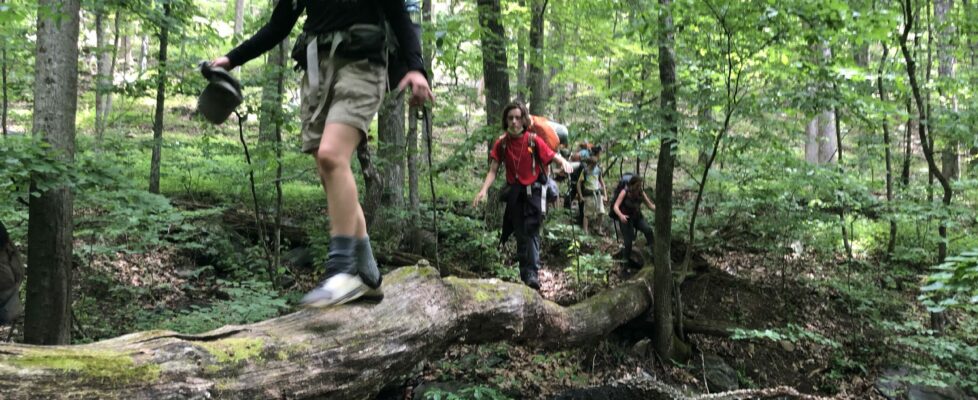

 The premise of a Waldorf education is to
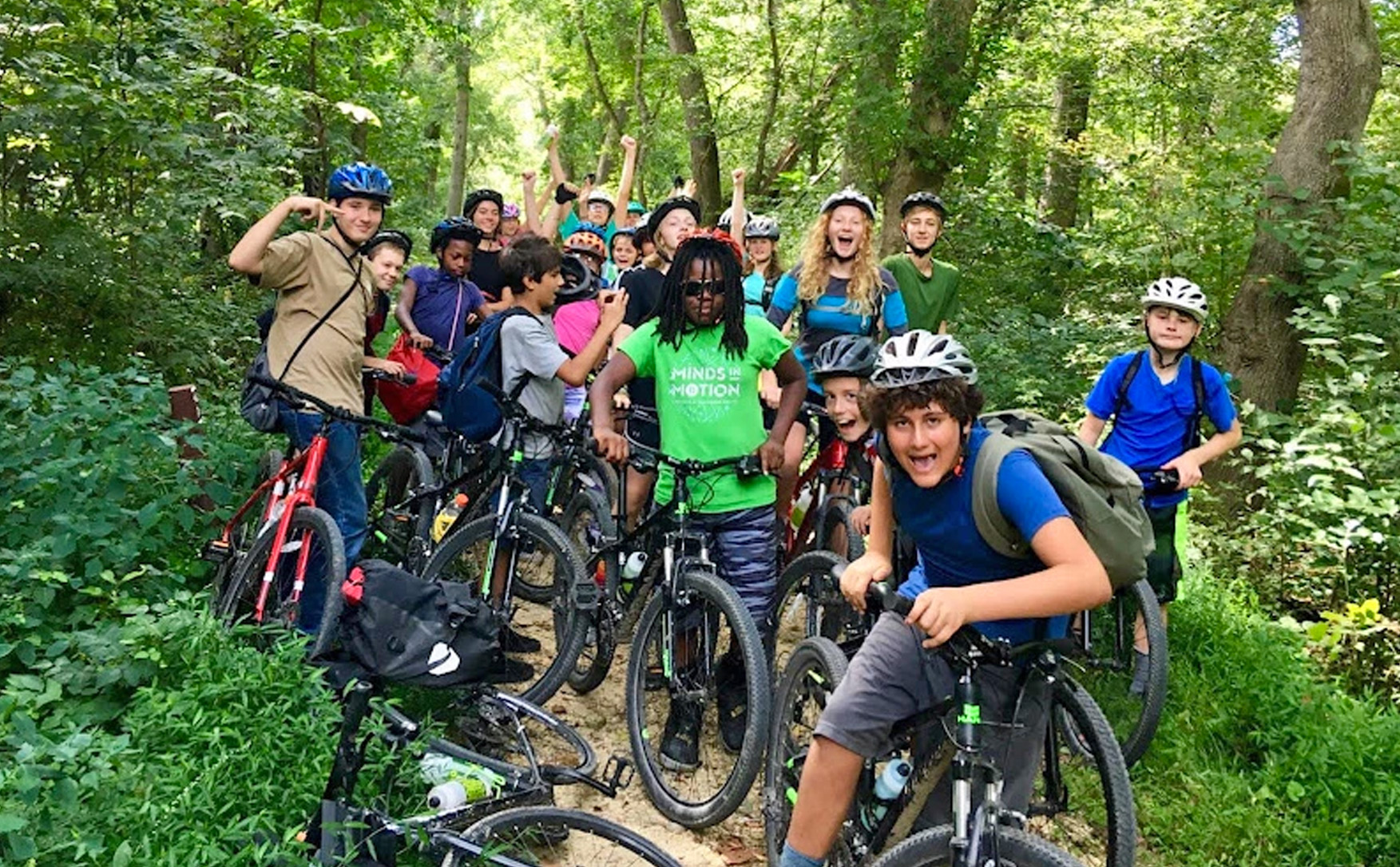
  In the loving, safe environment of a Waldorf school, with long-term teachers who know them well, students can be pushed to their own individual limits, they can learn to rely on one another, and trust themselves.

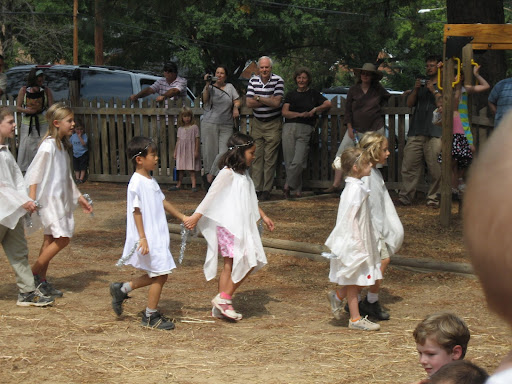
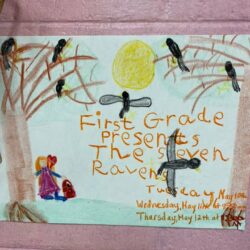 In Waldorf schools, each grade does a play every year, and the theme of the play is often inspired by the curriculum. We give time and space for these performances and experiences because we recognize that participating in theater gives students confidence. As research supports, students who participate in theater during their formative school years reap more specific benefits as well. It gives children an opportunity to face and overcome anxiety, allows them to express new emotions, and can be an enormous boost to their self-esteem. As we see a child or a class grow over the years, it is truly impressive to watch the transformation and capacity-building happen in real time.
 Feeling worried or anxious before even a small public speaking engagement is something most adults still struggle with. Children experience these feelings as well prior to a performance, but by giving them access to that uncomfortable feeling on a regular basis through theater, and teaching them skills to overcome it, can have a lasting effect on students. RWS creates these opportunities for discomfort and growth on a daily and weekly basis, as well as the annual play performance. During our Friday Gatherings, each class takes turns sharing things they are working on it class, be it a poem, a dance, a song, or even reports they’ve written. These opportunities to stand up in front of their peers can be nerve wracking and also teach important lessons. After a performance in which a child has overcome that feeling of anxiety, they will feel increasingly confident that they can feel an uncomfortable feeling and still move forward and be successful. What a great life lesson!
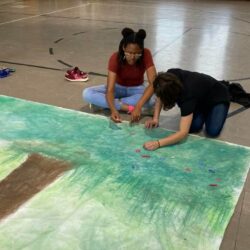 entirely new persona, and potentially express emotions that they aren’t able to in their normal lives. A child who isn’t able to express a certain emotion, might be able to when in character, or it may open the door for parents and students to have a more open conversation about sensitive subjects that the child is experiencing through their theater opportunity. We know that these experiences are outlets for students to practice and process feelings, develop empathy, and open up conversations. The teachers can use those moments as opportunities to drive a point home.