A Joyful Beginning: Celebrating Our New Playground!
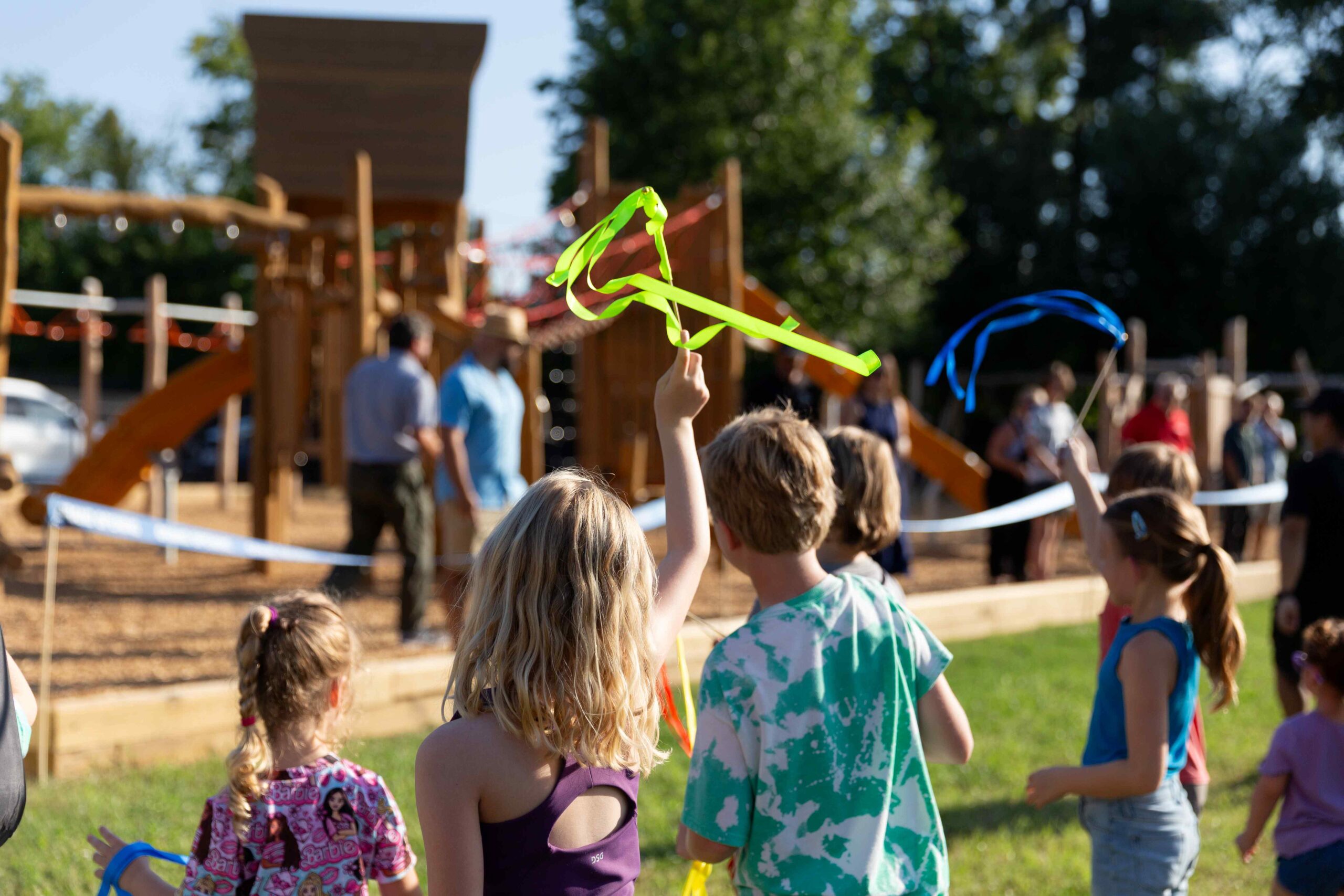
Richmond Waldorf School began the new school year with a joyful celebration as families, faculty, alumni, trustees, friends, and neighbors gathered for our Playground Ribbon Cutting and Back-to-School Picnic on August 24. It was wonderful to see such a large crowd on campus—reconnecting after the summer, welcoming new families, and sharing in the excitement of this long-awaited moment. In a fitting reflection of the community effort behind the project, representatives from our faculty, Board of Trustees, alumni, and wider community came together to cut the ribbon and officially open the renovated playground.
Are Waldorf Academics Rigorous?
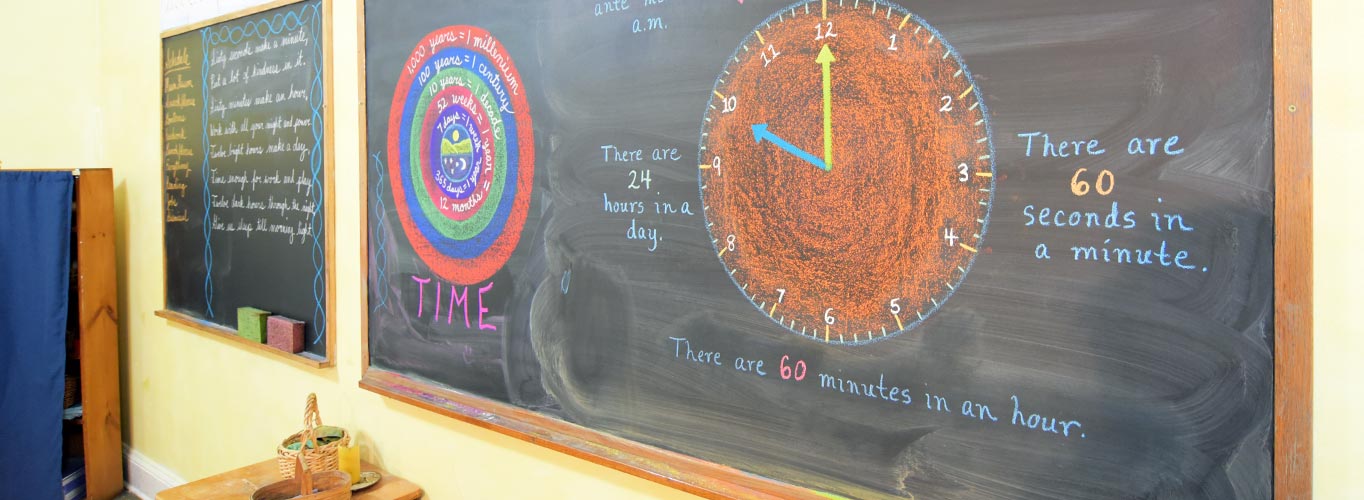
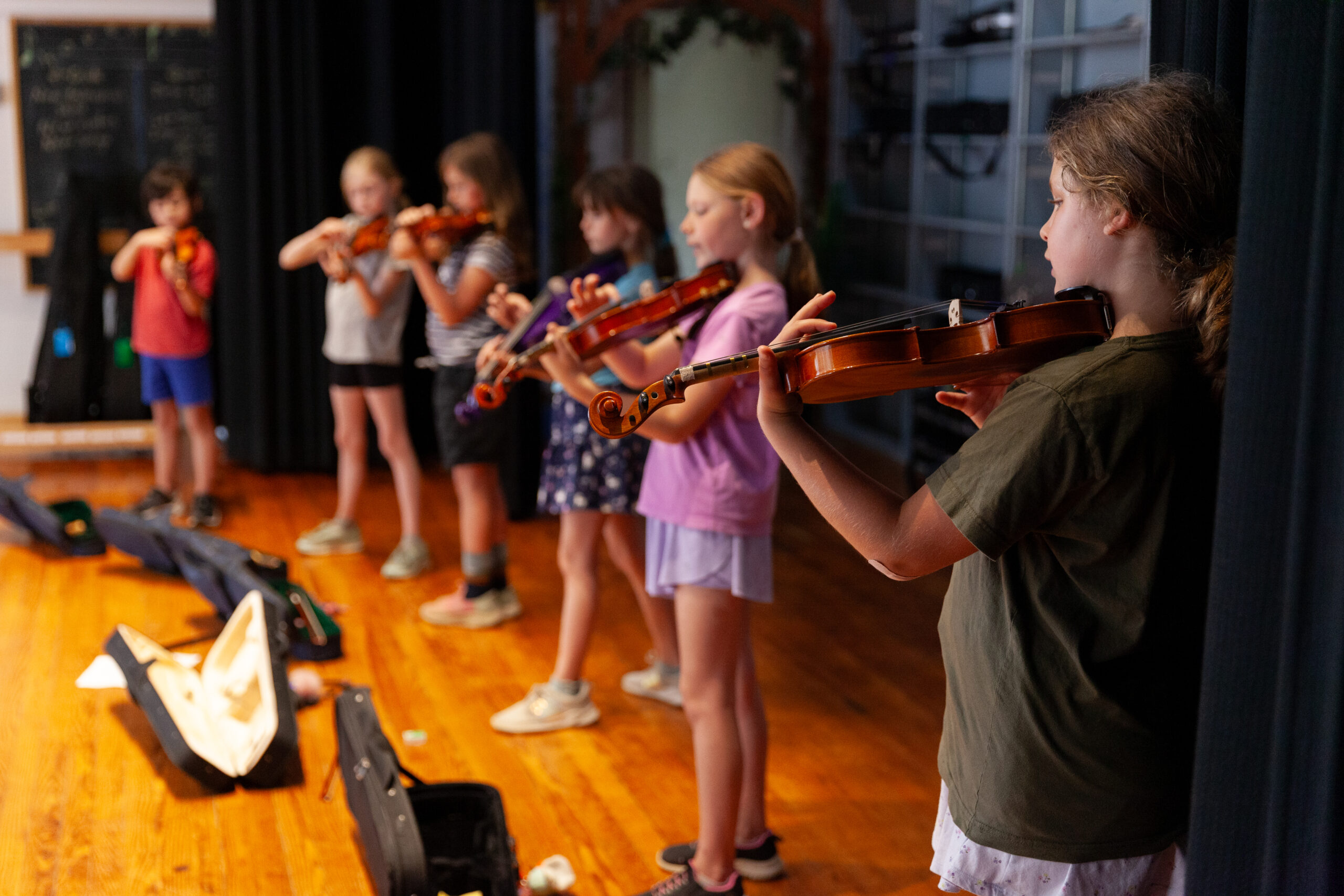
When families first discover Waldorf education, they often notice what feels different right away: the warmth of the classrooms, the beauty of student work, the time spent outdoors, the music, movement, handwork, painting, storytelling, and play. And then there is the question, are Waldorf academics rigorous? The answer is yes, but not quite in the narrow way rigor is often defined. At Richmond Waldorf School, we believe truly rigorous academics should lead to more than high grades and strong test performance. A rigorous education should help students think deeply, ask meaningful questions, solve problems creatively, express themselves clearly, work […]
School Choice Impacts the Whole Family
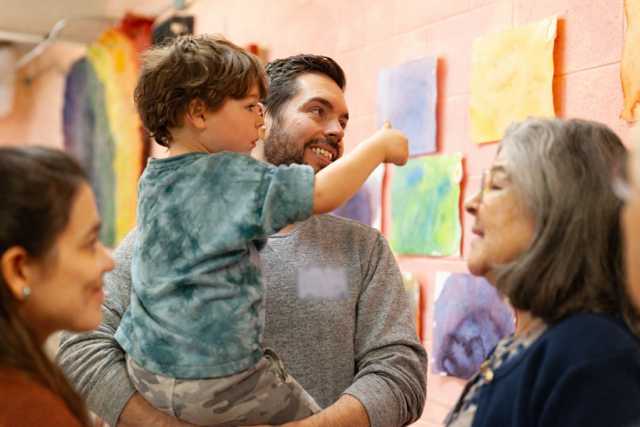
When families begin the school search, the focus is naturally on the child: Will my child be happy here? Will they learn and grow? Will they feel known? But over time, something else becomes clear—the school you choose shapes not just your child’s experience, but your family’s life as well. It influences your rhythms, your values, your weekends, your conversations at the dinner table. It shapes who you spend time with, how you think about parenting, and the kind of community you are part of, often for many years. At Richmond Waldorf School, we think about education in this […]
The Academics Benefits of…Gardening!
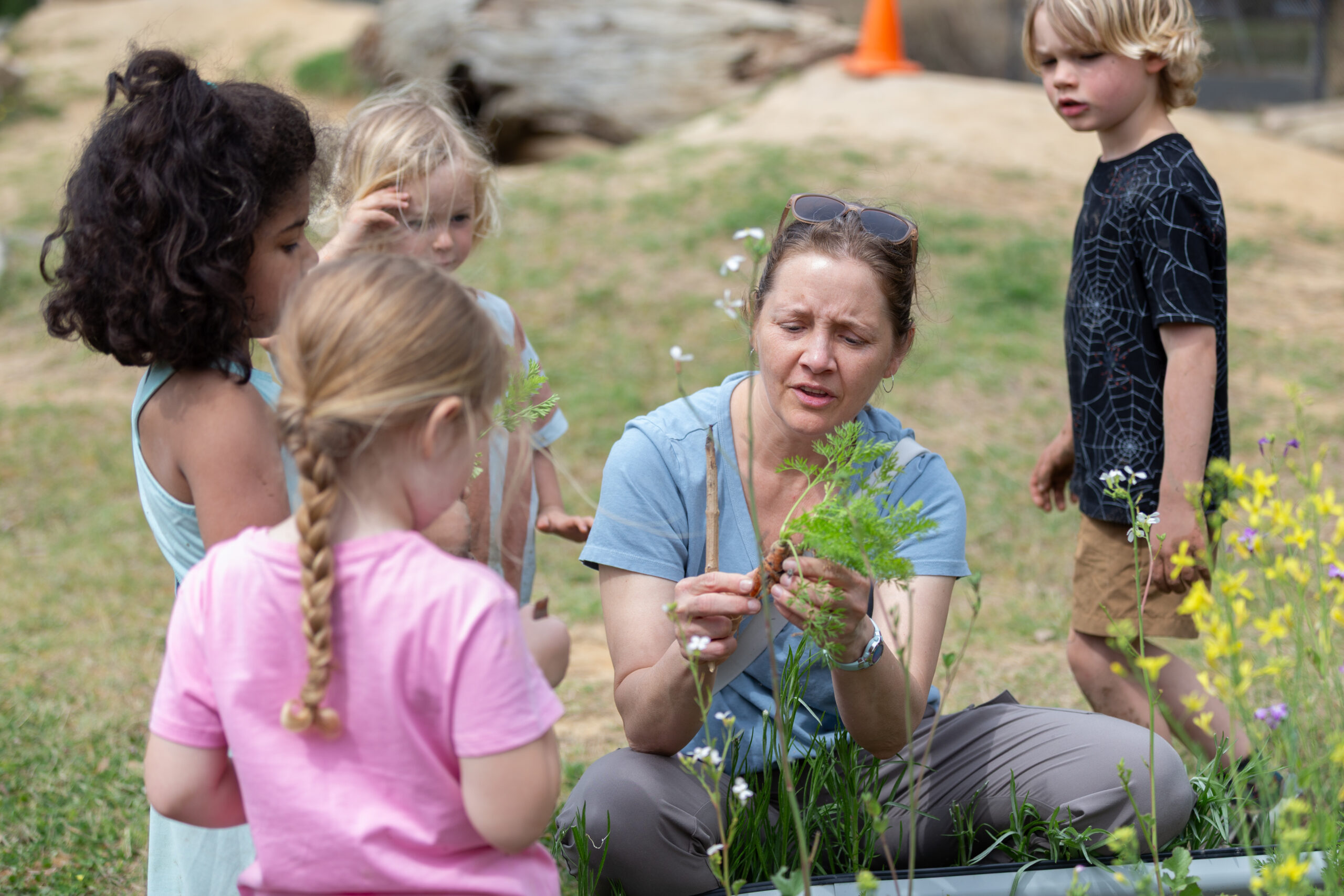
When we think about academic success, we often picture desks, books, and time spent inside the classroom. But what if some of the most meaningful academic learning happens outside—hands in the soil, observing the seasons, tending something over time? More research is pointing to the powerful impact of gardening and nature-based learning on students—not just for their well-being, but for their academic growth as well. Studies show that school gardening programs can deepen understanding in subjects like math and science, while also improving engagement, behavior, and overall attitude toward school. At Richmond Waldorf School, this is something we have […]
Doing Things the Hard Way is Worth It
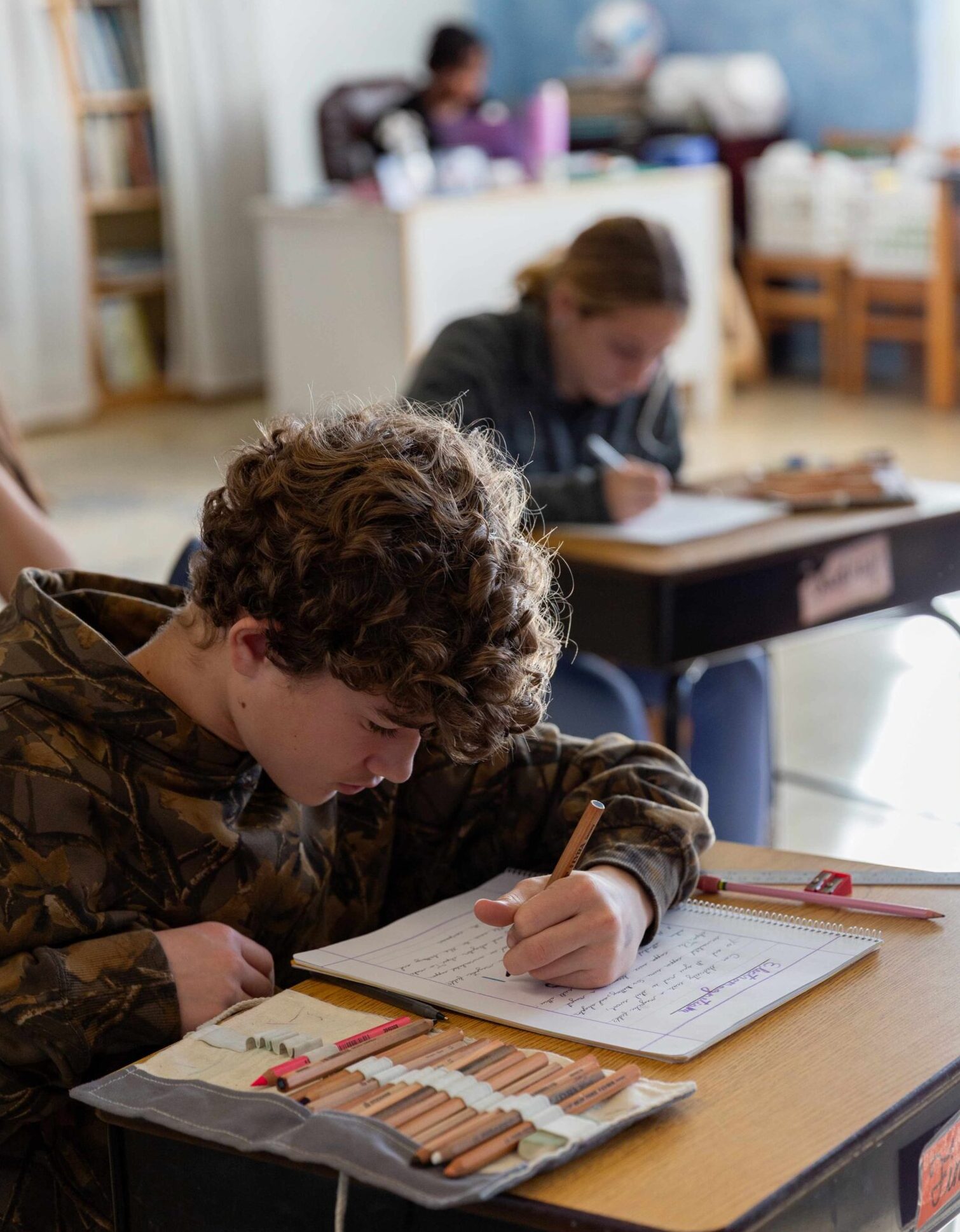
In so much of our everyday life, the goal is to make things faster, easier, and more convenient. But when it comes to children and learning, we know easier is not always better. At Richmond Waldorf School, we believe there is real value in doing some things the “hard” way. Writing by hand. Reading physical books. Learning through movement, music, storytelling, handwork, experimentation, and discussion. Going outdoors in all kinds of weather. Solving problems face- to-face. Practicing a skill until it becomes your own. From the outside, that can seem old-fashioned. But more and more, research points to the […]
Small School, Thriving Students
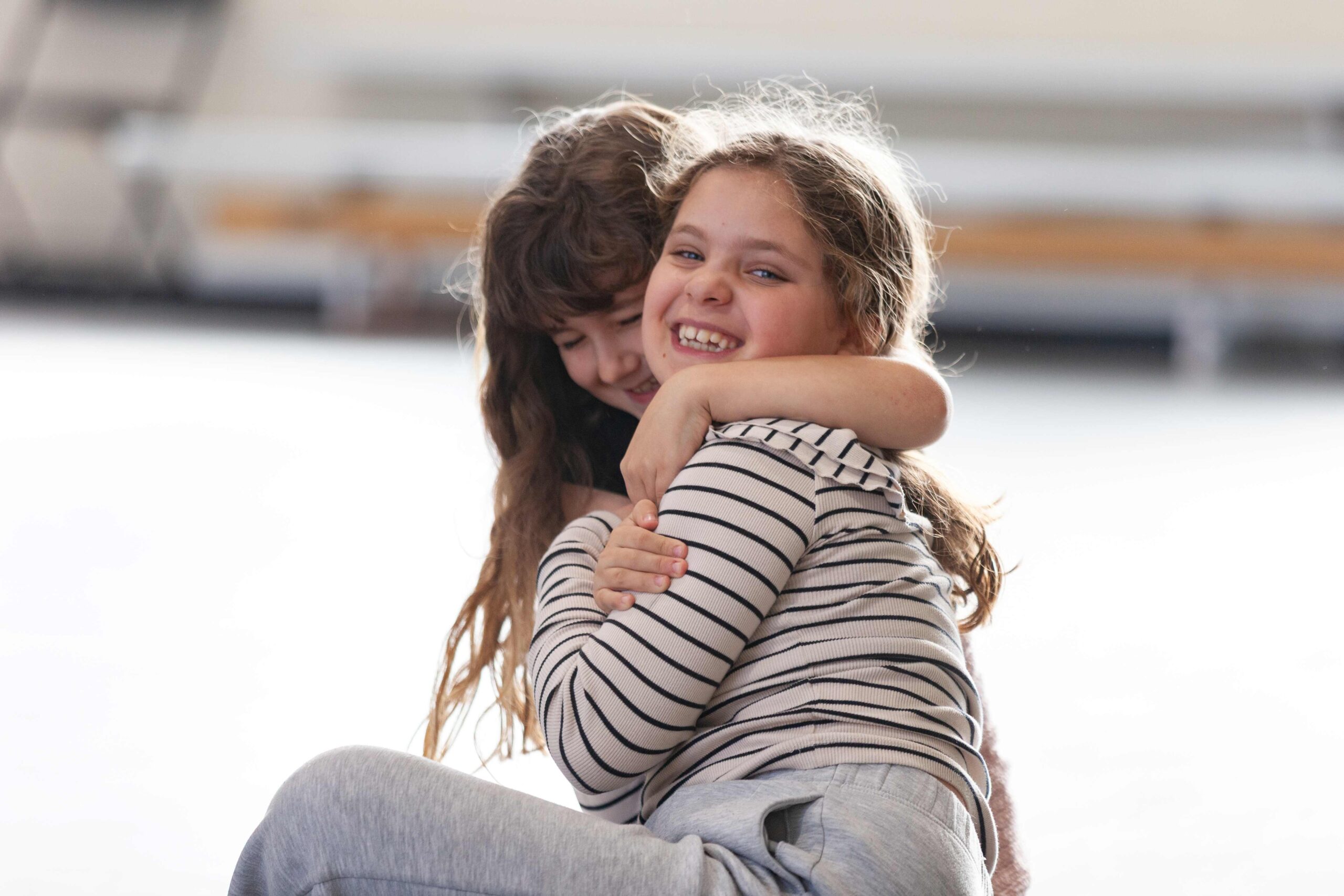
When parents begin looking for a school, they often start with the practical questions. What is the curriculum?How big are the classes?What does the day look like?How far is the drive? But underneath those logistical questions, there is usually a deeper one quietly shaping the whole search: will my child be known here? As someone who works in admissions — and as a parent myself — I know how much that question matters. Families are not only looking for a strong education. They are looking for a place where their child will be understood, cared for, and supported as […]
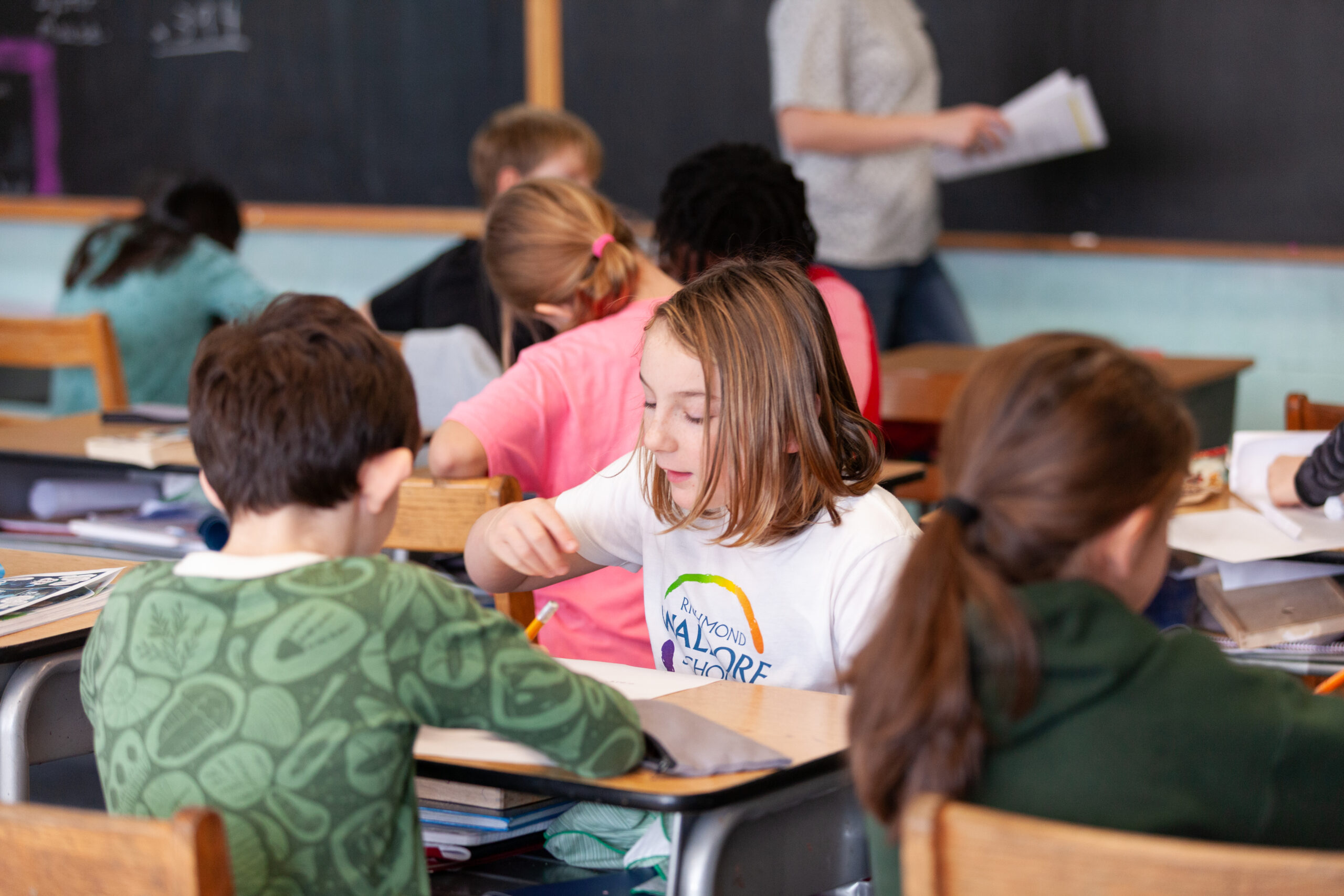
Future-Proofing for an AI World at Richmond Waldorf School
As conversations about artificial intelligence continue to grow, many parents are asking an important question: What kind of education will truly prepare children for the future? A recent Business Insider article points to an answer that may surprise people. According to economist Linda Nazareth, the skills that offer real “armor” in an AI-disrupted world are deeply human ones: empathy, creativity, resilience, curiosity, self-awareness, and the ability to teach, mentor, and serve others. (Business Insider) At Richmond Waldorf School, these are exactly the capacities we seek to nurture every day.

Everyone Learns Differently: That’s Why Waldorf Works
At Richmond Waldorf School, we begin with a simple truth: children don’t all learn the same way. Some take in the world through images and color, while others latch onto stories and spoken language. Some make sense of things best when they can write or draw, and some need to move, build, or touch in order to understand. These differences reflect the four commonly described learning styles — visual, auditory, reading/writing, and kinesthetic — and they show up clearly in every classroom. When teaching focuses too narrowly on one style, some children naturally thrive while others struggle. Waldorf education […]
