How to Raise Happy, Healthy, and Resilient Children: A Waldorf Approach
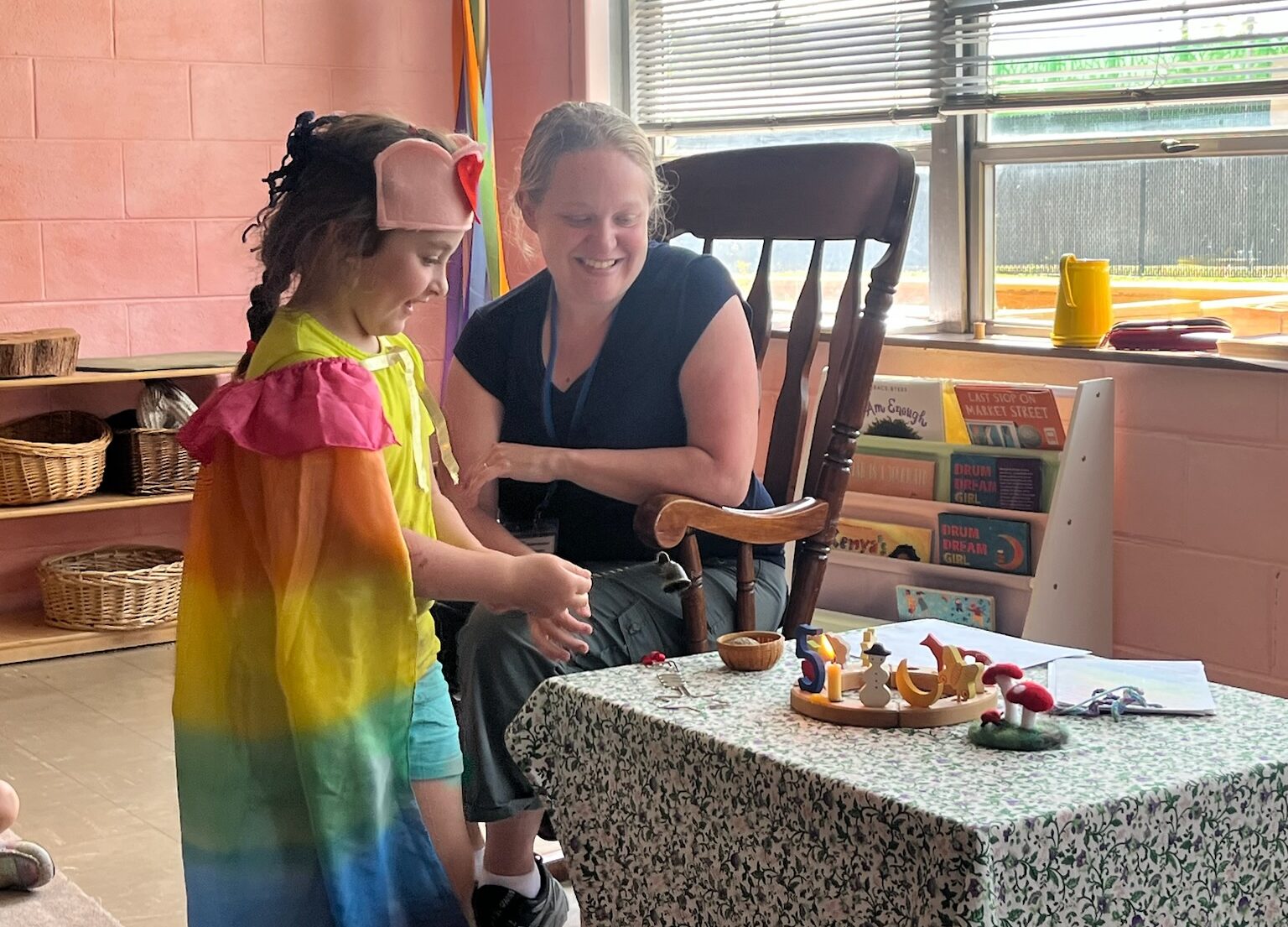
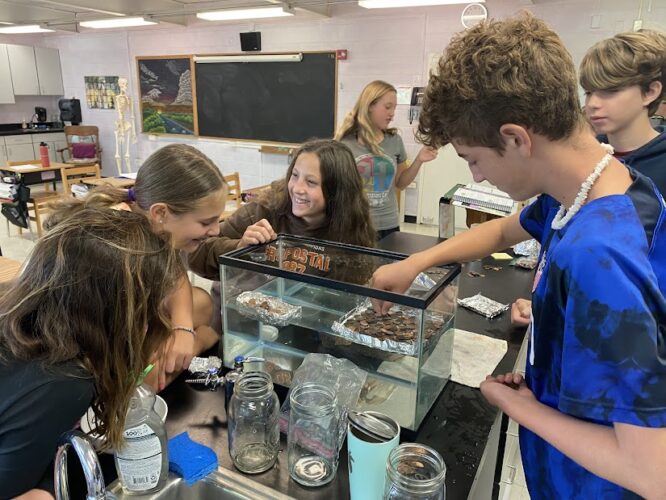
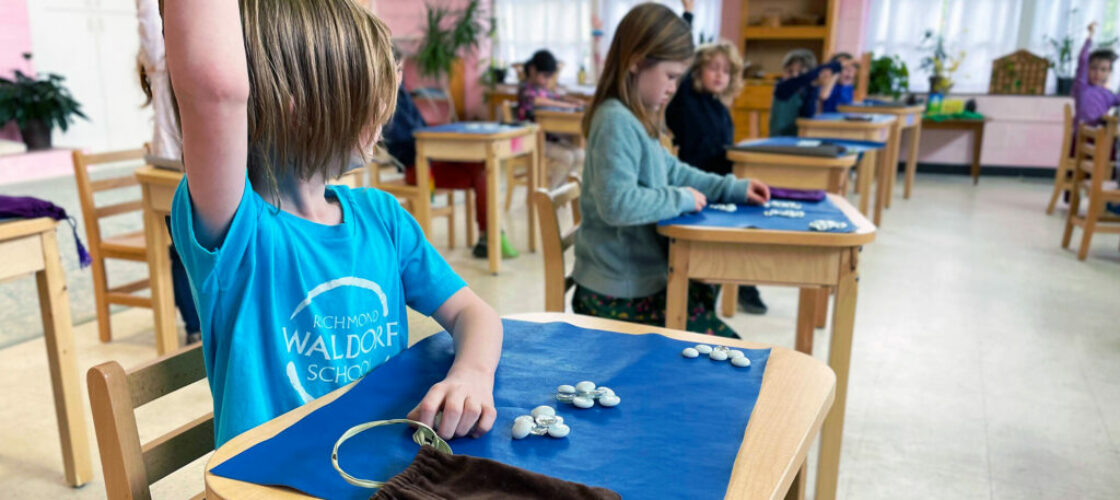
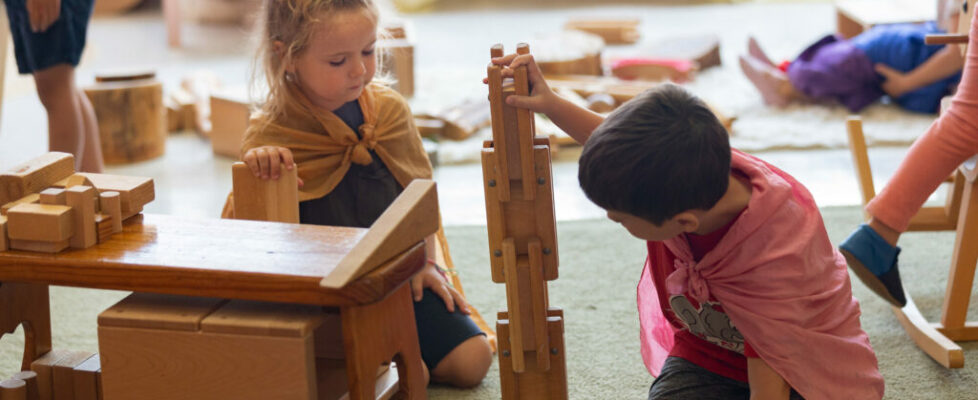
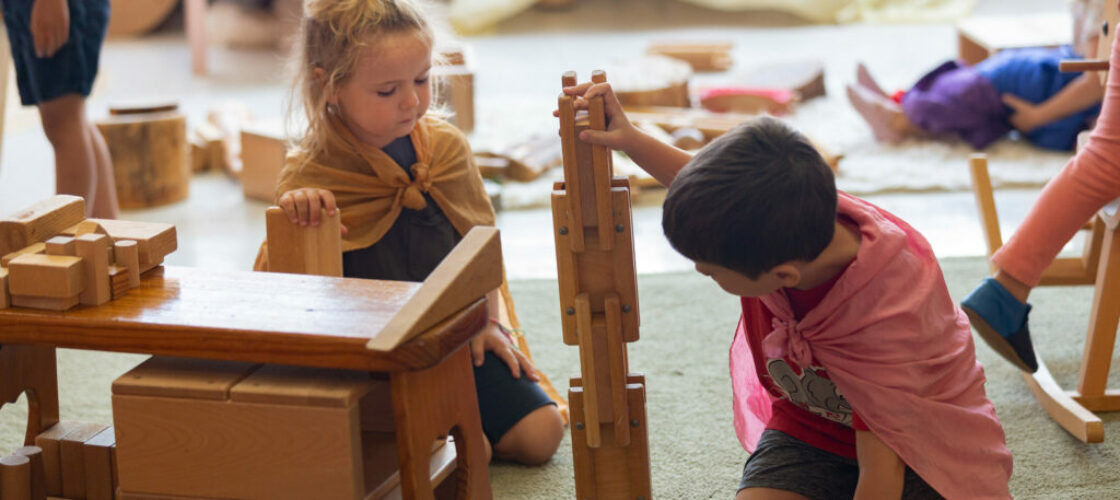
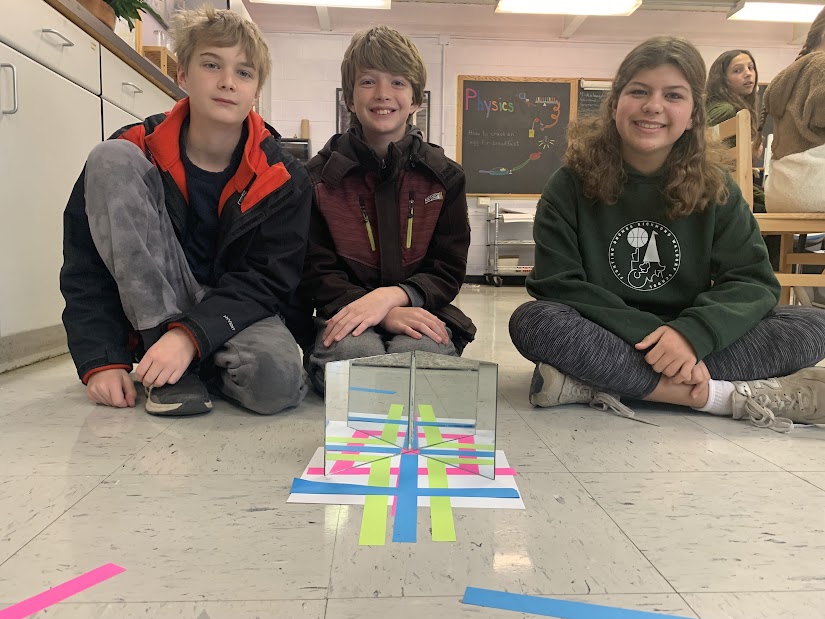
Waldorf education is an intentionally balanced approach to teaching with the goal of graduating happy, healthy, and resilient young people. We interweave academics, artistic activities, movement, and outdoor time in a way that reduces stress and enhances learning. We provide rhythm for each day, season, and year which builds confidence and ensures that students feel secure. Social-emotional learning and problem solving are integrated throughout our curriculum so children develop the skills they need to thrive. We are a community where students feel seen, recognized, and challenged to do their best work and be their best selves.
A recent survey from ISM asked independent school parents what characteristics they seek most in a school for their child(ren). The list of sought-after characteristics has been very consistent over the last several years, with responses of “faculty care and concern“, “emphasis on character development“, and “emphasis on emotional well-being” ranking at the top. These skills on average are more significant than “academic challenge”, “curriculum”, and “graduate placement record.” As a Waldorf school, we find that to not only affirm why we approach education in the way that we do, but also encourages us that we are meeting the needs of our students, our families, and our community.
When we consider what skills are gleaned from emphasizing a student’s character development and emotional wellbeing, we see that resilience and adaptability are not only fostered but truly noteworthy in Waldorf alums. We’ve mentioned before how “AQ”, or Adaptability Quotient is a measurement that is equally important, if not more so, than IQ, or intelligence quotient. “IQ is the minimum you need to get a job, but AQ is how you will be successful over time,” says Natalie Fratto, a New York-based vice-president at Goldman Sachs who became interested in AQ when she was investing in tech start-ups. She has subsequently presented a popular TED talk on the subject.”

Further research continues to explore how to quantify resilience in children and what experiences help to foster it. What is resilience? Defined by the NIH, “ Resilience is defined as the capacity of a system to adapt successfully to challenges that threaten the function, survival, or future development of the system. This definition is scalable across system levels and across disciplines, applicable to resilience in a person, a family, a health care system, a community, an economy, or other systems.” While the NIH is looking specifically at the development of children with adverse childhood experiences, this research can and does bring important attention to the importance of having resilient children. Their research in learning to quantify resilience asks the following core questions:
- What are the challenges?
- How is the person doing?
- What processes support success?
The study continues by providing a shortlist of common resilience factors for child development, which include a nurturing family, a sense of belonging, family flexibility, self regulation, routines and rituals, and problem-solving as just a few common factors for child development.
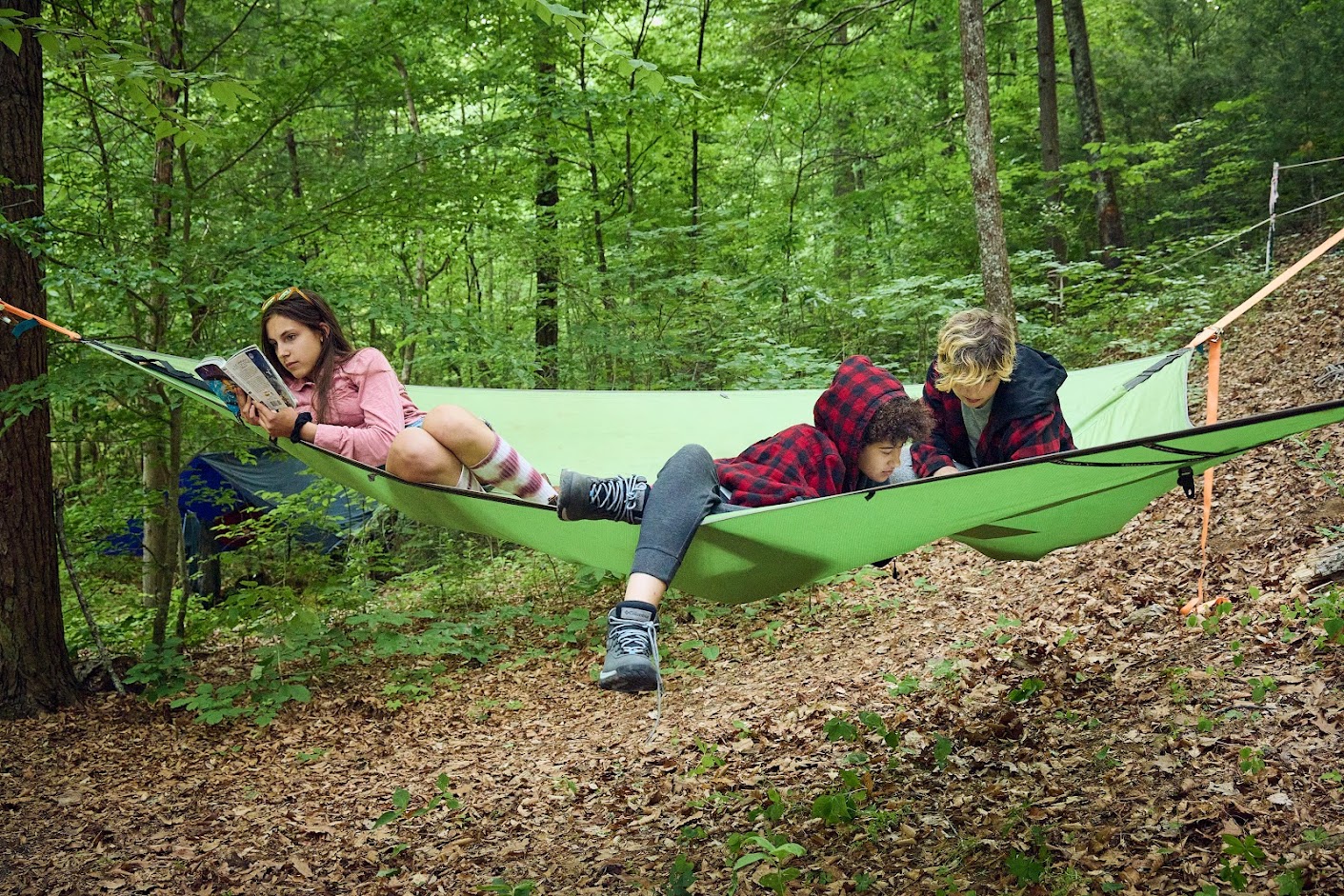
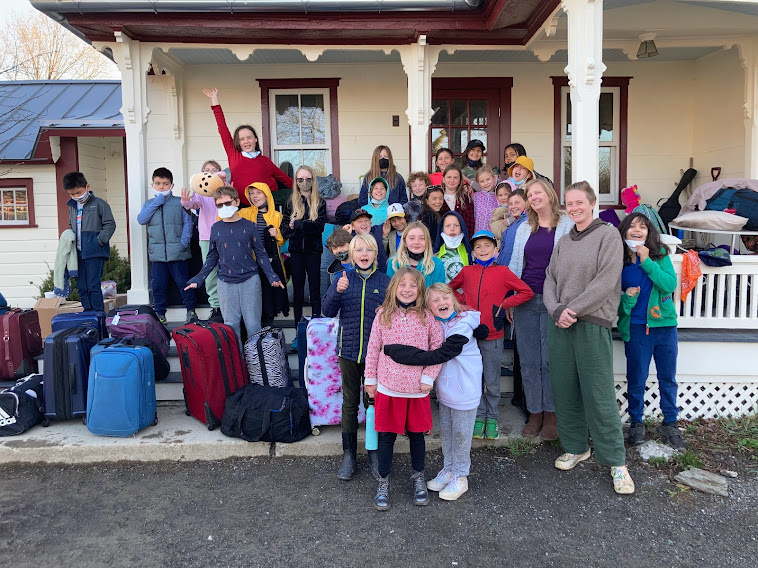
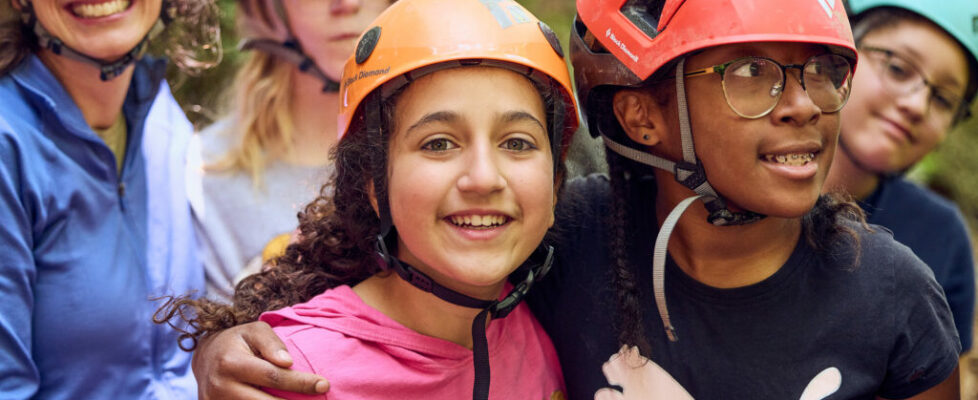
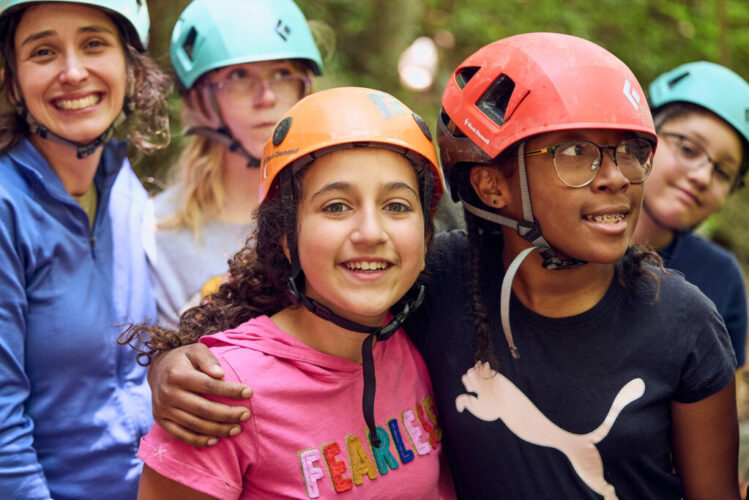
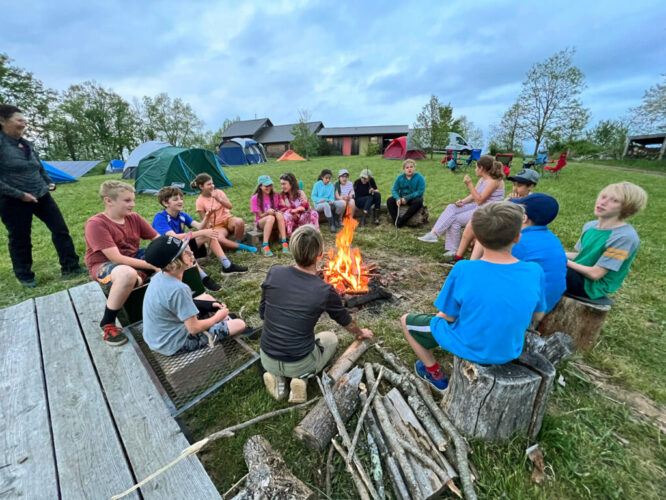
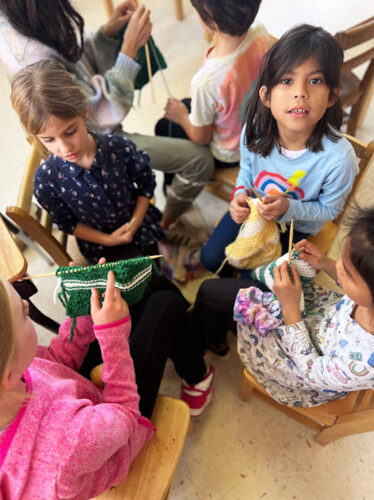
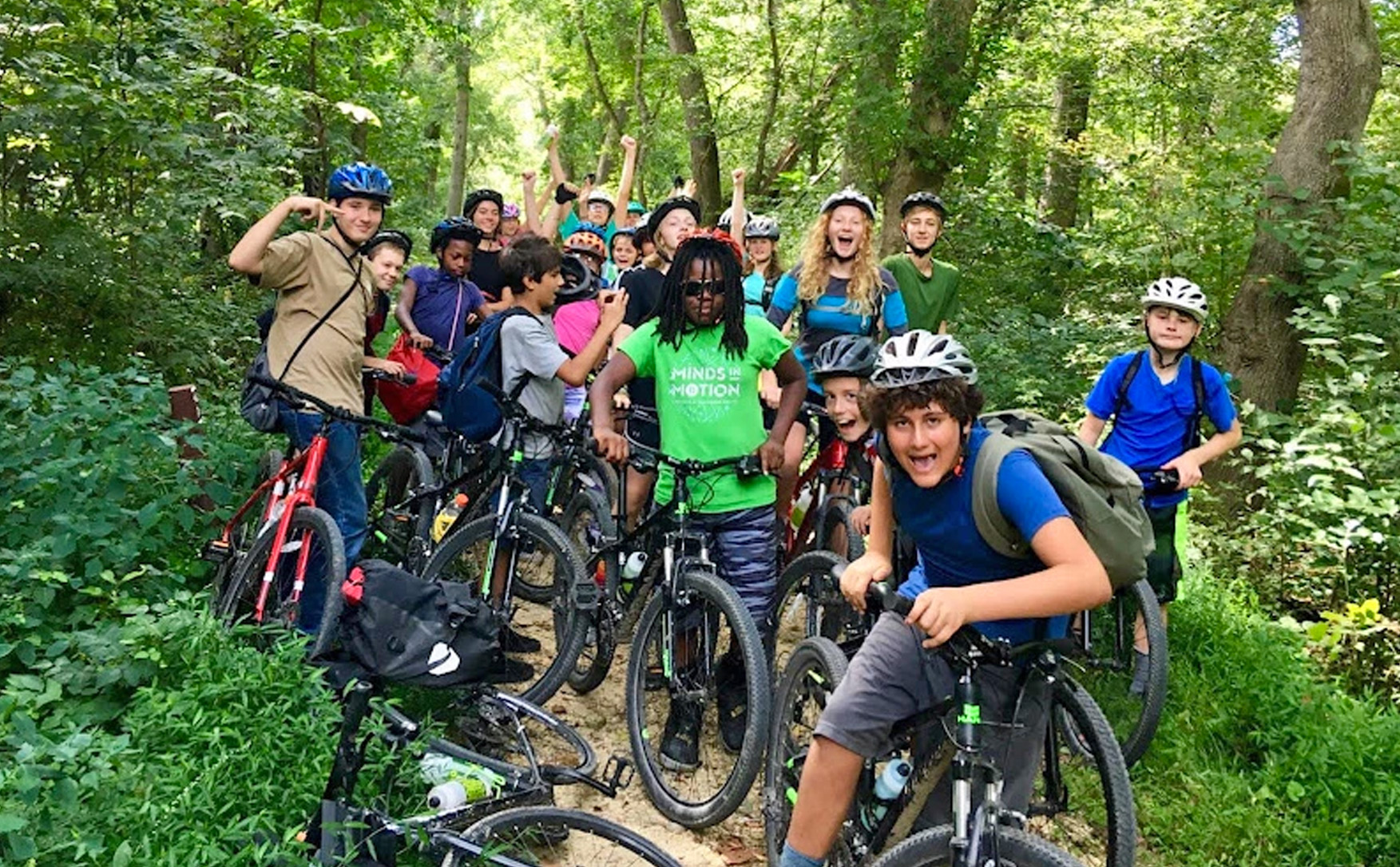
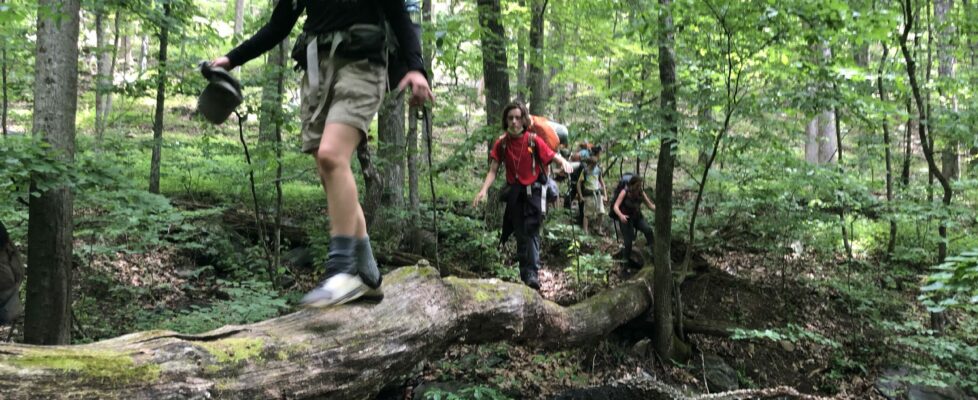
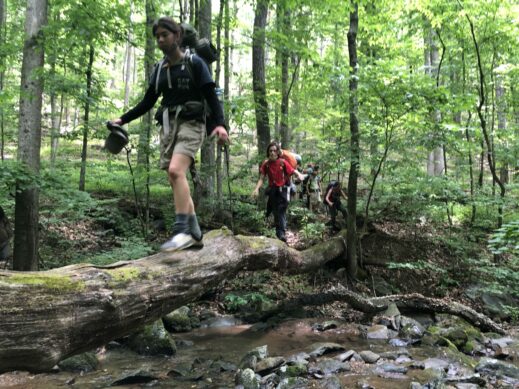
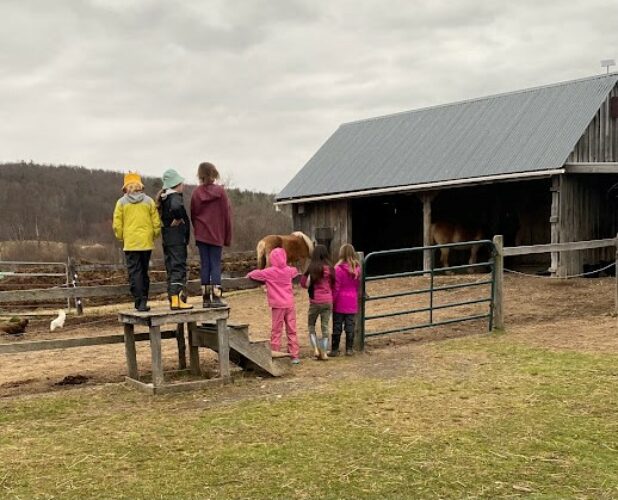
As a Waldorf school, we see many parallels between this new research and the values we place for our school and community. Long standing relationships, a safe and secure environment where children feel seen, and creating opportunities, both small and large, for children to practice and build stamina through challenges, are essential in Waldorf education. We believe that from small challenges of being outdoors for 90 minutes in the cold, to trying new skills like knitting, world languages, bicycling, to extended overnight field trips in nature, making space and time for children to build resiliency – by facing challenges and seeing how they’ve overcome and/or grown, is how we truly build confident, capable human beings who will find opportunities in challenges.
One RWS Alum, now an environmental science grad from University of Richmond said, “I think Waldorf made me really interested in learning and made it something I really enjoy. At Waldorf, communication with teachers was a big thing. I really learned how to talk with them and ask questions. Problem solving was another huge concept I learned, as well as hands-on work. I learned a lot of great study habits that helped me. And also leadership skills.”
As a family exploring Waldorf education for your child, we hope you’ll take some time to get to know how Richmond Waldorf School exemplifies these traits and more. Our holistic curriculum honors the developmental stages of children and challenges students to learn in a multitude of ways! Waldorf intrinsically develops the child’s love of learning in a hands-on, creative, relationship-based approach.
Want to Learn More?
We would love for you to explore the Waldorf approach! Sign up for a tour, or watch our school video where students talk about life at Richmond Waldorf School. Get to know us and see if RWS is right for your child.
At Richmond Waldorf School, we recognize that our student’s physical, social, and emotional well-being are a key part of their ability to learn and thrive. We look forward to meeting you and sharing more information about Waldorf education.
Reach out to us and find out more:
| 804-377-8024 ext 3
Richmond Waldorf School is a non-profit, private school in Richmond, Virginia offering Waldorf education for grades Pre-K – 8th grade.







 The developmental phase that third graders experience is called the “nine year change” and p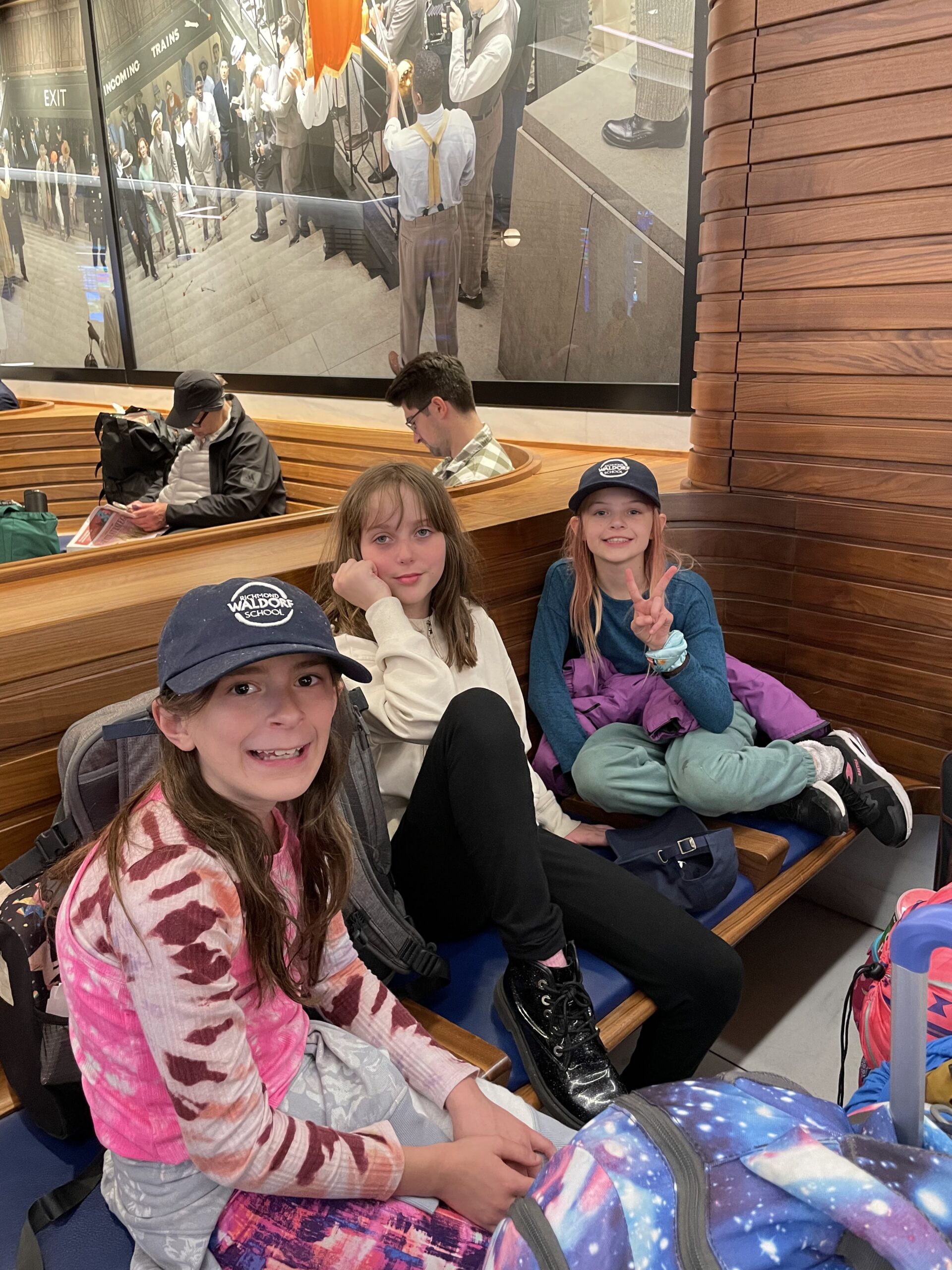


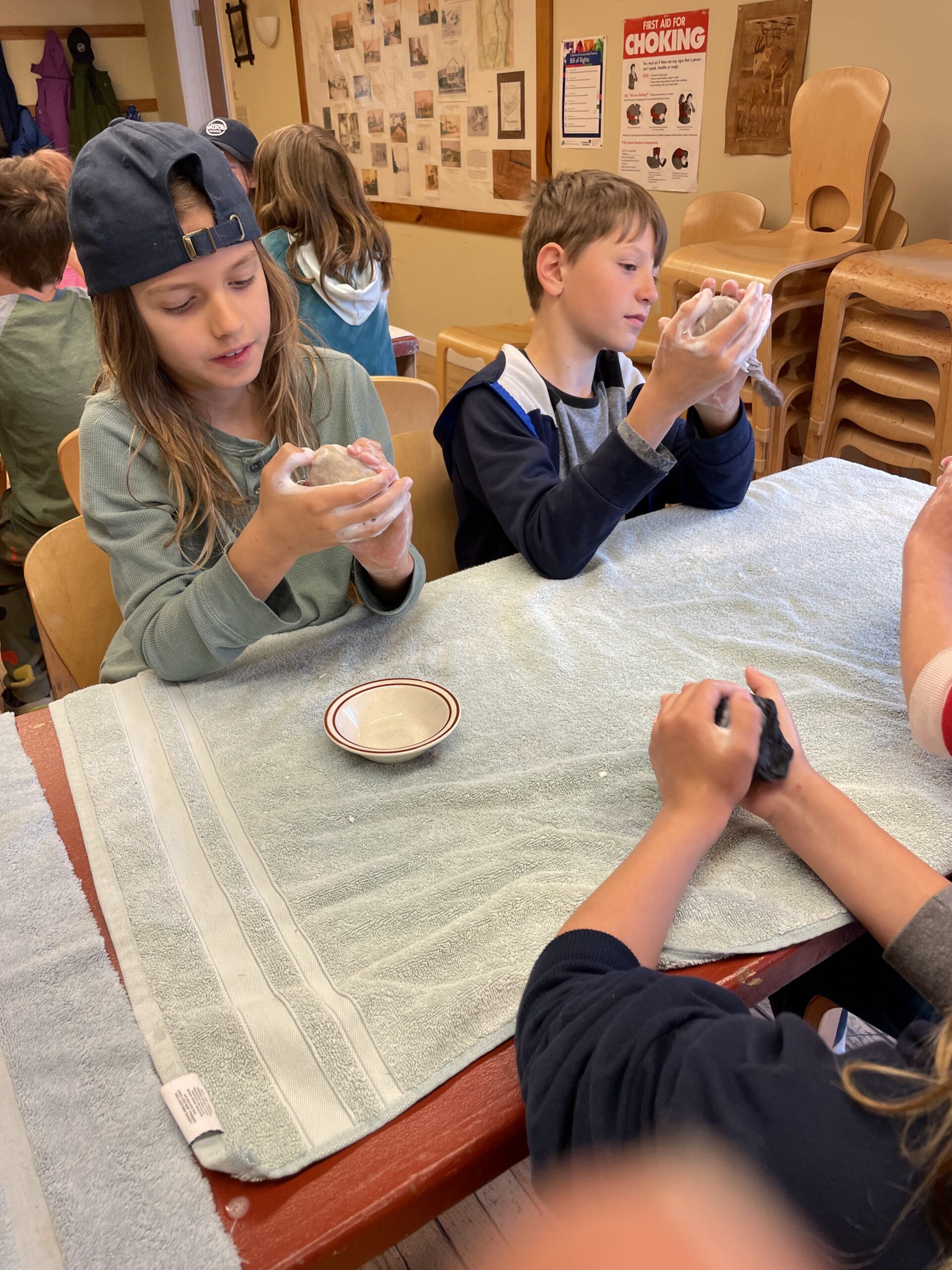
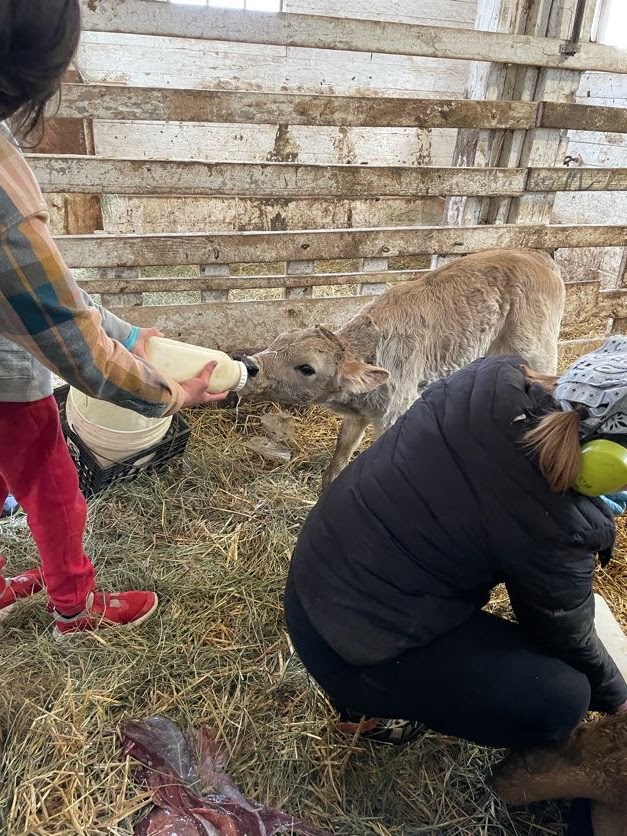
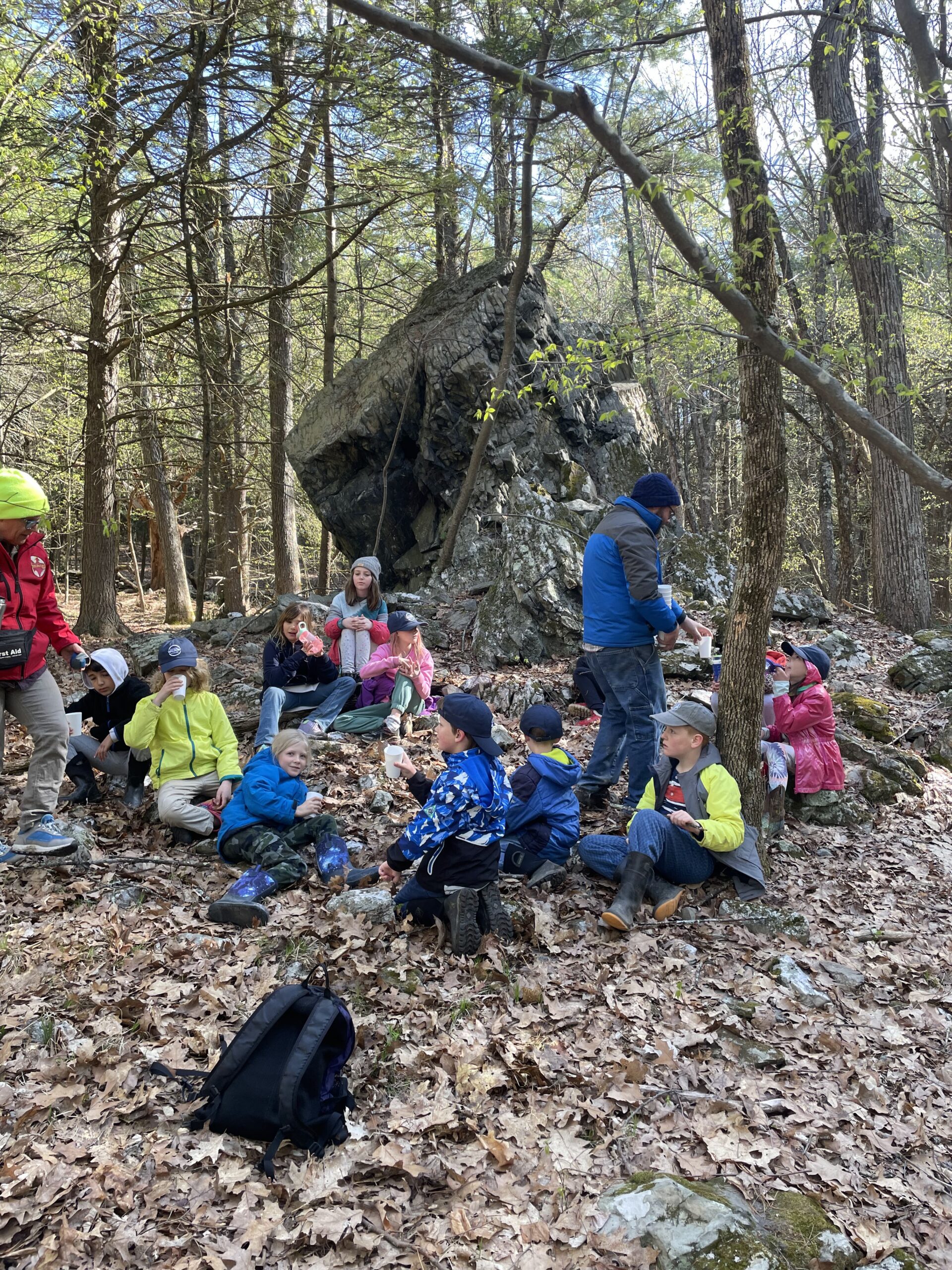
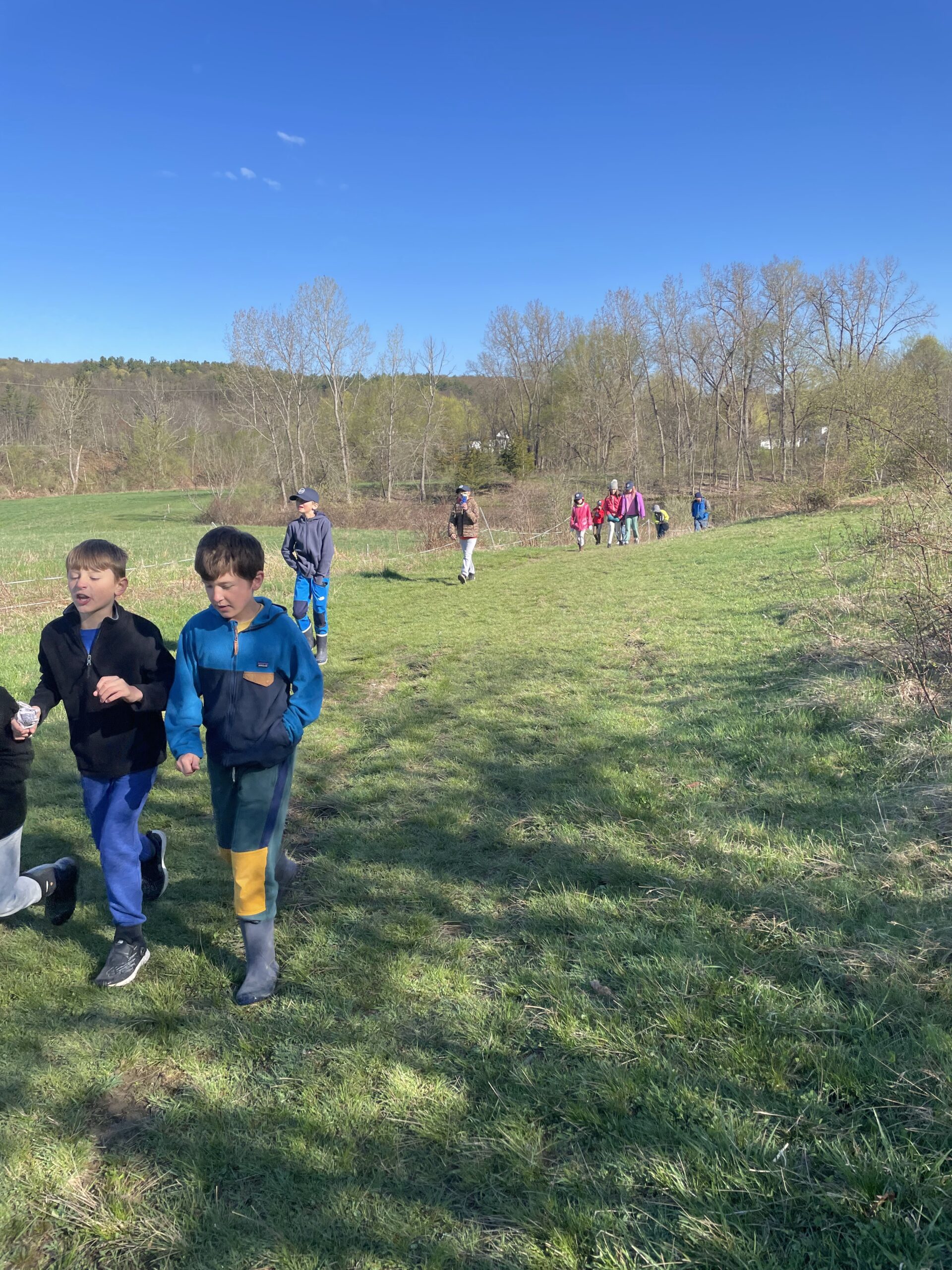


 The premise of a Waldorf education is to
  In the loving, safe environment of a Waldorf school, with long-term teachers who know them well, students can be pushed to their own individual limits, they can learn to rely on one another, and trust themselves.

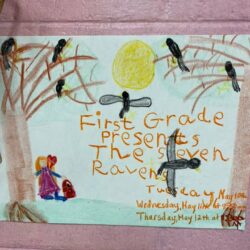 In Waldorf schools, each grade does a play every year, and the theme of the play is often inspired by the curriculum. We give time and space for these performances and experiences because we recognize that participating in theater gives students confidence. As research supports, students who participate in theater during their formative school years reap more specific benefits as well. It gives children an opportunity to face and overcome anxiety, allows them to express new emotions, and can be an enormous boost to their self-esteem. As we see a child or a class grow over the years, it is truly impressive to watch the transformation and capacity-building happen in real time.
 Feeling worried or anxious before even a small public speaking engagement is something most adults still struggle with. Children experience these feelings as well prior to a performance, but by giving them access to that uncomfortable feeling on a regular basis through theater, and teaching them skills to overcome it, can have a lasting effect on students. RWS creates these opportunities for discomfort and growth on a daily and weekly basis, as well as the annual play performance. During our Friday Gatherings, each class takes turns sharing things they are working on it class, be it a poem, a dance, a song, or even reports they’ve written. These opportunities to stand up in front of their peers can be nerve wracking and also teach important lessons. After a performance in which a child has overcome that feeling of anxiety, they will feel increasingly confident that they can feel an uncomfortable feeling and still move forward and be successful. What a great life lesson!
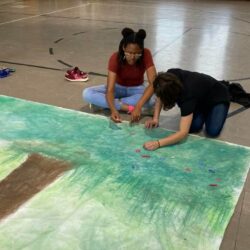 entirely new persona, and potentially express emotions that they aren’t able to in their normal lives. A child who isn’t able to express a certain emotion, might be able to when in character, or it may open the door for parents and students to have a more open conversation about sensitive subjects that the child is experiencing through their theater opportunity. We know that these experiences are outlets for students to practice and process feelings, develop empathy, and open up conversations. The teachers can use those moments as opportunities to drive a point home.