Excelling in a New Field is Nothing New for Alum Stephanie Gernentz
RWS is incredibly proud that our former student, Stephanie Gernentz, RWS Class of 2014, is featured in the Spring 2023 edition of School Renewal, a journal for Waldorf education.
Excelling in a New Field is Nothing New for Alum Stephanie Gernentz
 By Al Daniel
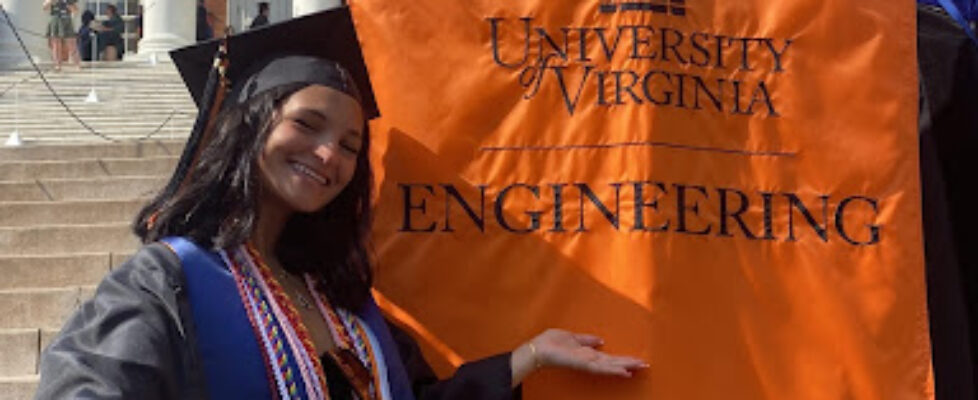
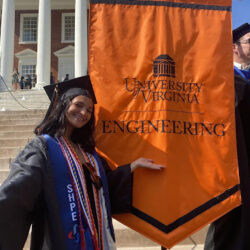
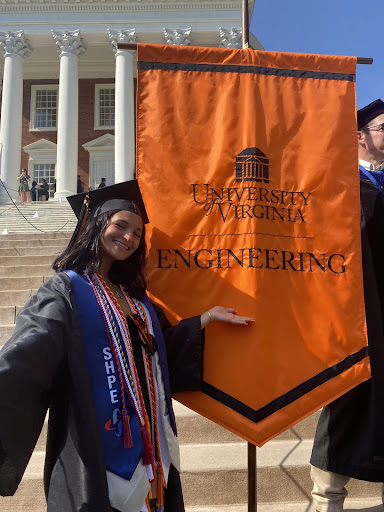
Exploring new territory is nothing new for Stephanie Gernentz, who graduated from Richmond Waldorf School in Virginia in 2014. Last year, Gernentz, a lifelong Virginian and recent University of Virginia graduate, uprooted to Indianapolis for an enticing job as a process automation engineer at Eli Lilly and Company. There she monitors the machinery that perfects penicillin and other medicines.
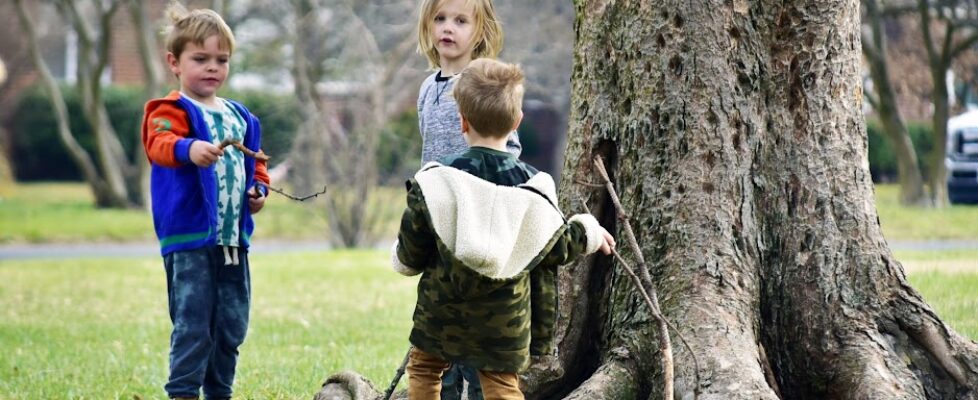
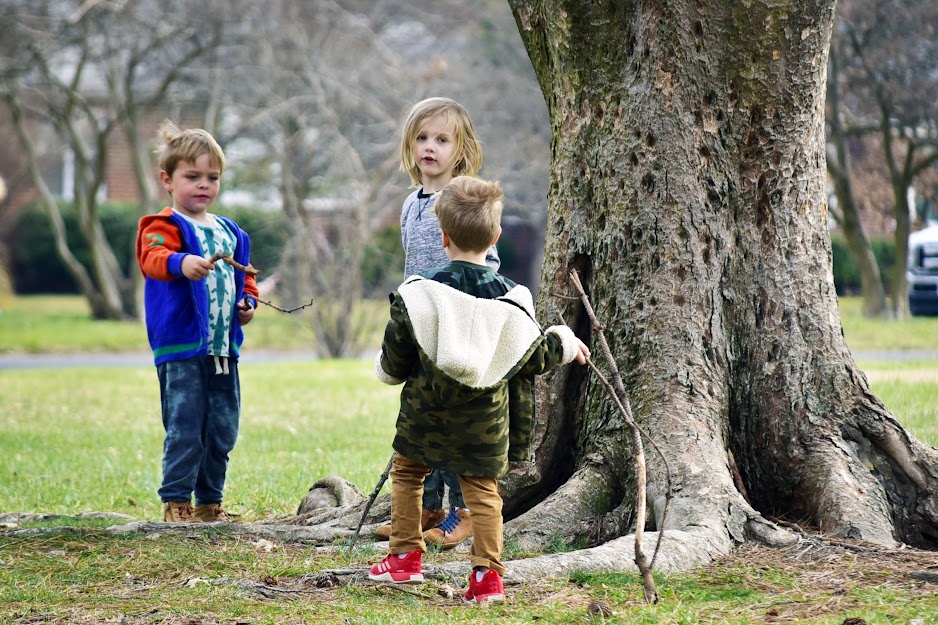
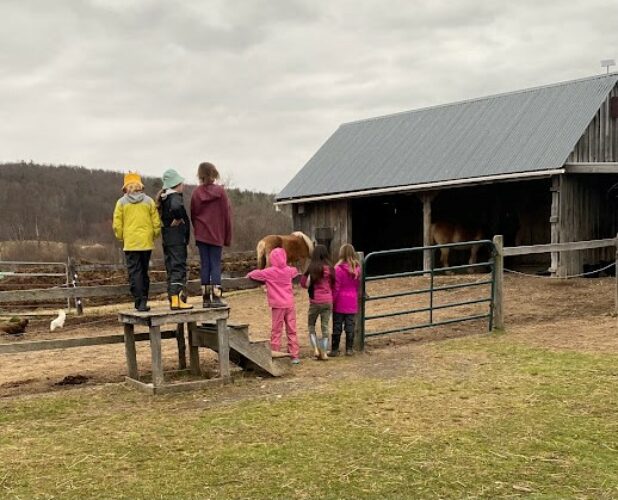
From her first day of kindergarten to her eighth-grade graduation, Gernentz absorbed the settings and practices of RWS’s “environmentally friendly” campus, then followed her residual instincts and interests to a major in environmental science, along with chemical engineering, at UVA.
An internship at Merck added a new interest in pharmaceuticals. Seeking a similar employer after college, she attended a conference for the Society of Hispanic Professional Engineers and landed an in-person interview with Eli Lilly. Gernentz notes, “I felt confident in what I knew, and I was able to present myself with that confidence, which they saw.”
Some of that confidence comes from RWS.. “I believe Waldorf helped me grow to be a well rounded individual…[which] helped me in my education, because if a scientist is only good with numbers and math, but can’t communicate or involve creativity and expression within their findings or projects, that sometimes does not make for the best STEM-oriented students.”
At UVA, Gernentz pleasantly baffled her non-Waldorf-educated peers with other habits and reminiscences from her formative years, filling in her friends on the facets of RWS’s “holistic learning” approach.
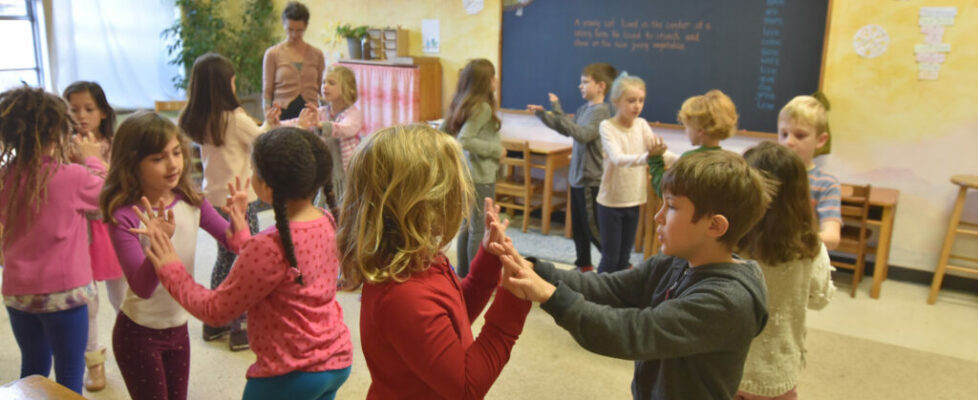
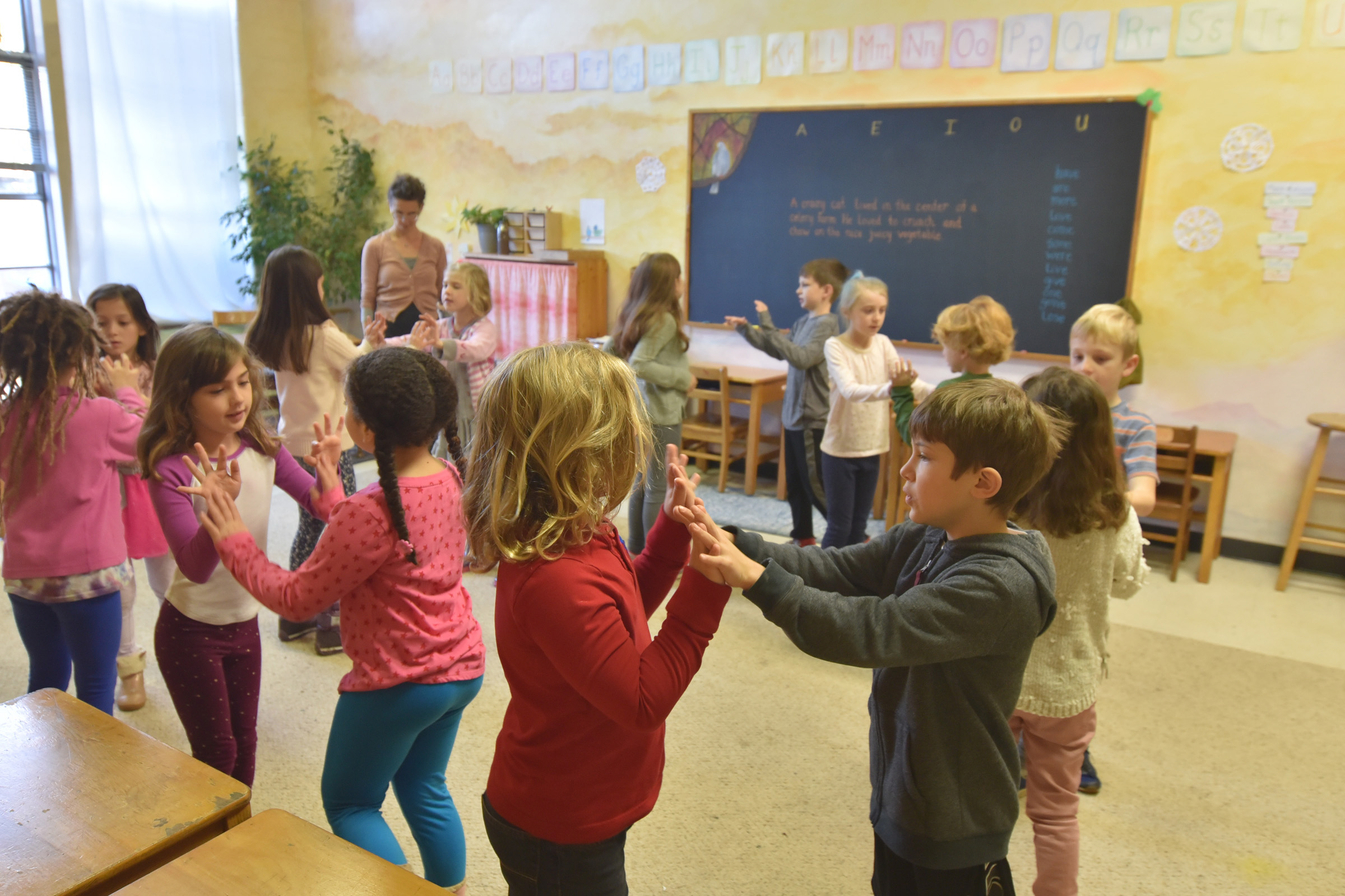
Whittling wood into spoons. Greek and Latin lessons to go with the year-round modern romantic world language studies. Salsa and tap-dancing units. Merging gym into recess, where you have a buffet of physical activities to choose from, as long as you choose something and get moving. Playing wooden recorders that were more bona fide than the public-school plastic variety. Performing in or alongside two alto and soprano sections in a school band that also rosters three bass players.
“They were like, ‘What is your school?’” she says.
Gernentz even modified technology to bring a Waldorf technique into the future. While distance learning during the pandemic, Gernentz found that her tablet’s accessories could recreate her routine use of colored pencils from elementary and middle school in an all-digital manner for her collegiate studies. “When I did that, it was instantly so much more engaging to read my material,” she said, “which sounds silly, but it really was.”
In terms of science, Gernentz’s time at RWS did entail an exhilarating, if occasionally frightening, hands-on lab work. Sixth grade meant dabbling in chemistry experiments, and seventh and eighth meant diving into real-world biology, chemistry, and physics demonstrations. As a grand finale, the eighth grade turned months of trial and error into a presentation at a year-end assembly. Along the way, there was even one small explosion. “Waldorf made science fun and showed the exciting part about learning, while also throwing in the nitty-gritty information. This helped students be eager to learn about chemistry because they were able to connect it to a physical relationship to their life, like seeing bubbles form from water and soap.” she says.
Gernentz unequivocally asserts that this style of learning beats the ordinary deskbound, paper-based memorizations, fill-in-the-blanks, and multiple-choice questions. As a dyslexic, Gernentz was able to take on complex scientific topics comfortably. She notes, “This more holistic style of teaching allows professors to more individually understand how a specific child learns and finds ways to alter the form of information-giving so that it best translates to the child.”
Gernentz also deeply appreciated the bonds she was able to form with her teachers and the Waldorf method of not rushing students to achieve. “I think it was amazing of Waldorf to not rush students in their learning or activities. It helped students first off feel fully safe and welcomed in their learning environment which in turn helps them be more comfortable to ask questions,” she says, adding, that this “removes the anxiety and burnout that I personally know many students have later on in their college and high school years because the creative and fun part of learning has been taken away at a younger time than for Waldorf students.”
Reflecting, she points out,“I think there’s a difference between childhood independence and ‘adulting’ too far in advance.” RWS “allows students to explore their own limits of curiosity and what they’re interested in while not pushing them to jump into school experiences, such as being overloaded with school content, not having the time to…play at recess, and not allowing time for children to connect with adults.”
As she looks ahead to her future as a scientist, Gernentz notes that her education allowed her “to become more creative with the way I learned and experimented. And that is extremely necessary in science because you need to constantly question laws and test boundaries in order to make new discoveries or contribute to a project.”
 The premise of a Waldorf education is to
 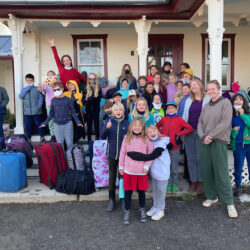 In the loving, safe environment of a Waldorf school, with long-term teachers who know them well, students can be pushed to their own individual limits, they can learn to rely on one another, and trust themselves.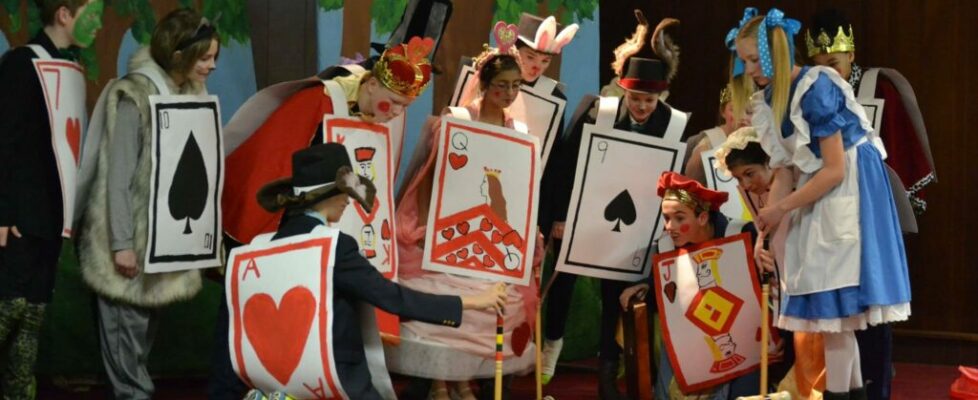
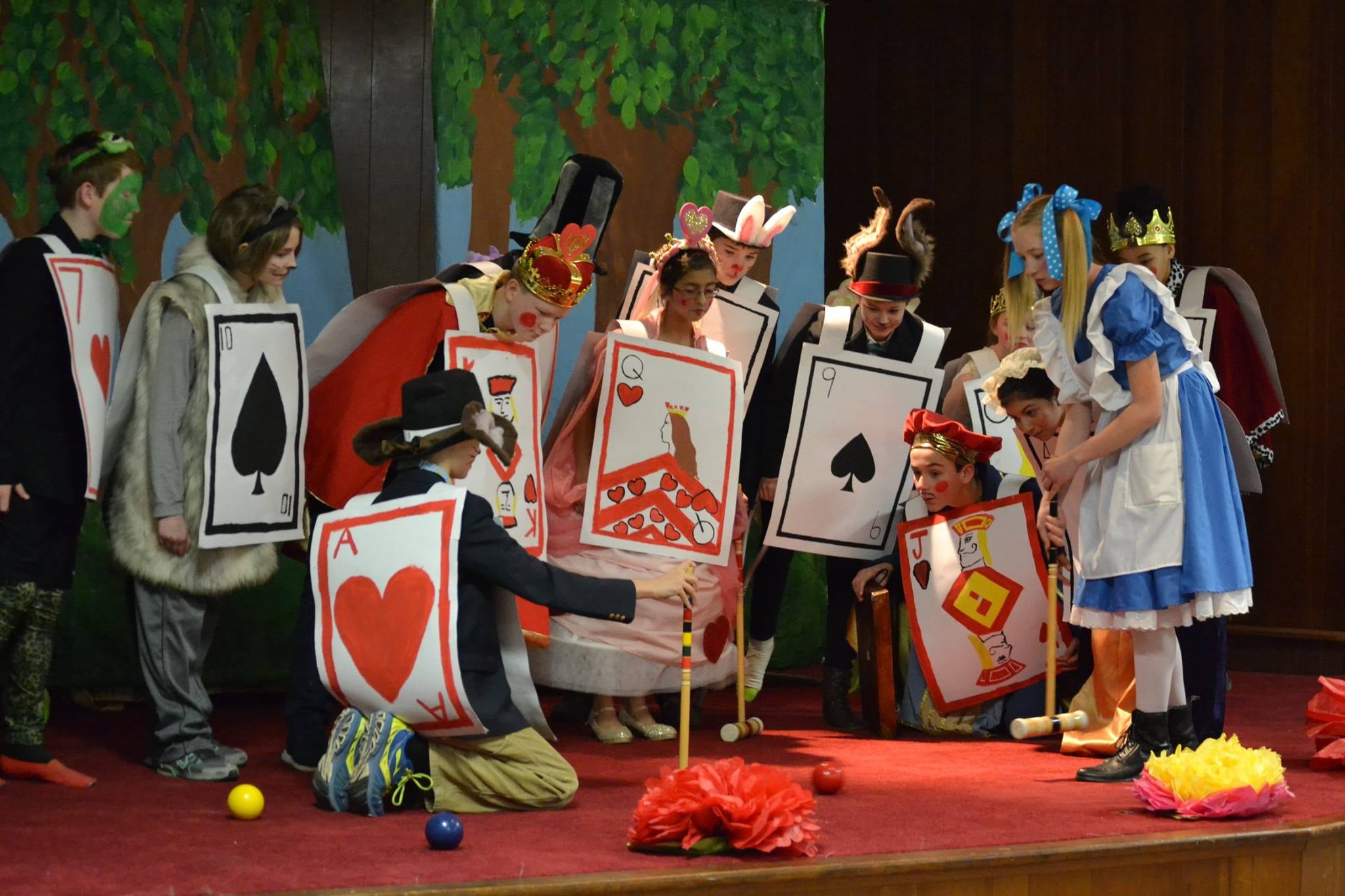
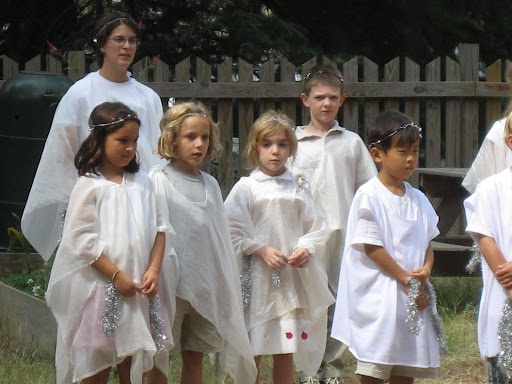
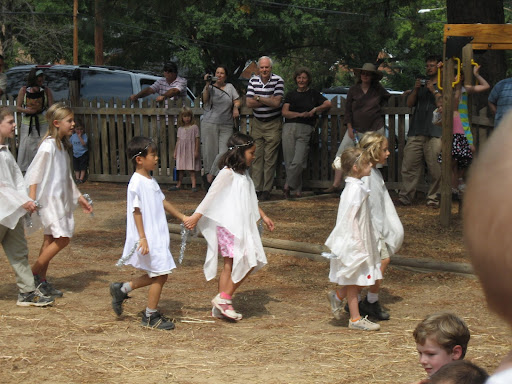
 In Waldorf schools, each grade does a play every year, and the theme of the play is often inspired by the curriculum. We give time and space for these performances and experiences because we recognize that participating in theater gives students confidence. As research supports, students who participate in theater during their formative school years reap more specific benefits as well. It gives children an opportunity to face and overcome anxiety, allows them to express new emotions, and can be an enormous boost to their self-esteem. As we see a child or a class grow over the years, it is truly impressive to watch the transformation and capacity-building happen in real time.
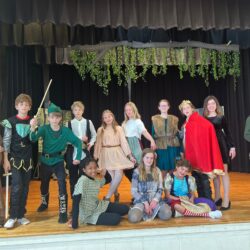 Feeling worried or anxious before even a small public speaking engagement is something most adults still struggle with. Children experience these feelings as well prior to a performance, but by giving them access to that uncomfortable feeling on a regular basis through theater, and teaching them skills to overcome it, can have a lasting effect on students. RWS creates these opportunities for discomfort and growth on a daily and weekly basis, as well as the annual play performance. During our Friday Gatherings, each class takes turns sharing things they are working on it class, be it a poem, a dance, a song, or even reports they’ve written. These opportunities to stand up in front of their peers can be nerve wracking and also teach important lessons. After a performance in which a child has overcome that feeling of anxiety, they will feel increasingly confident that they can feel an uncomfortable feeling and still move forward and be successful. What a great life lesson!
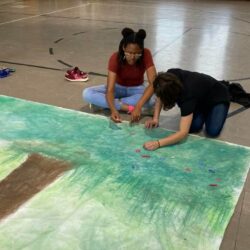 entirely new persona, and potentially express emotions that they aren’t able to in their normal lives. A child who isn’t able to express a certain emotion, might be able to when in character, or it may open the door for parents and students to have a more open conversation about sensitive subjects that the child is experiencing through their theater opportunity. We know that these experiences are outlets for students to practice and process feelings, develop empathy, and open up conversations. The teachers can use those moments as opportunities to drive a point home.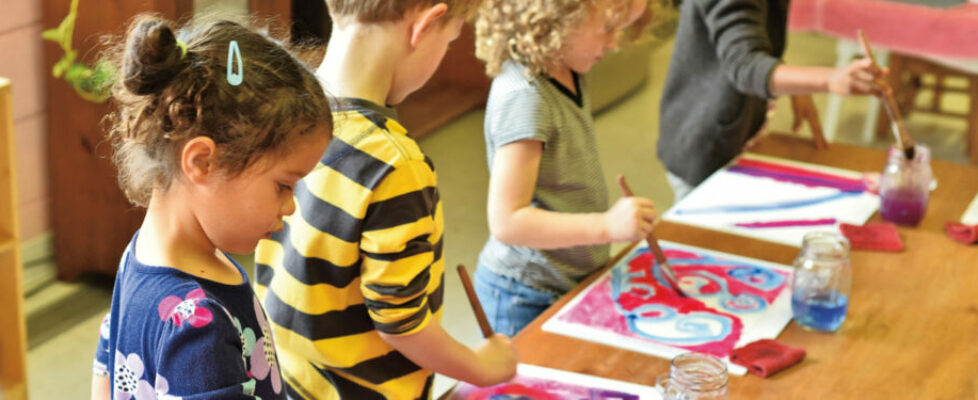
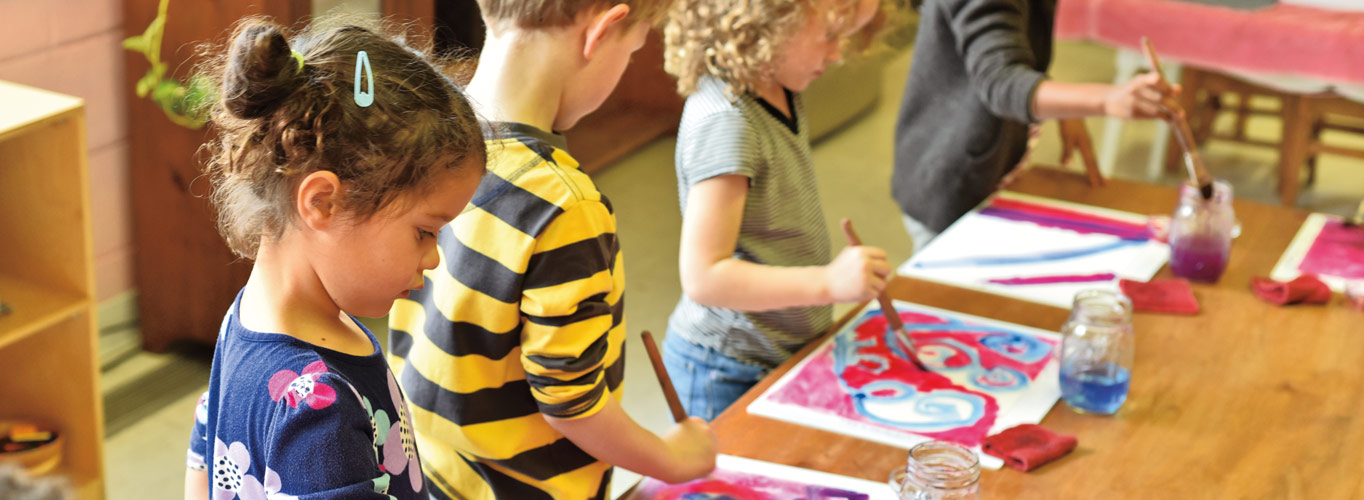
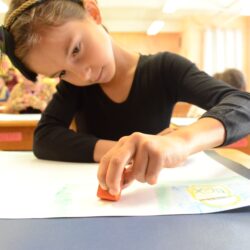 Entering elementary and middle school, Main Lessons incorporate rich drawings and artistic expression as the children study language arts, math, science, and history. The inclusion of art and the creative impulse into traditional academics helps to engage students and find new and deeper meaning in the content. As a recent article from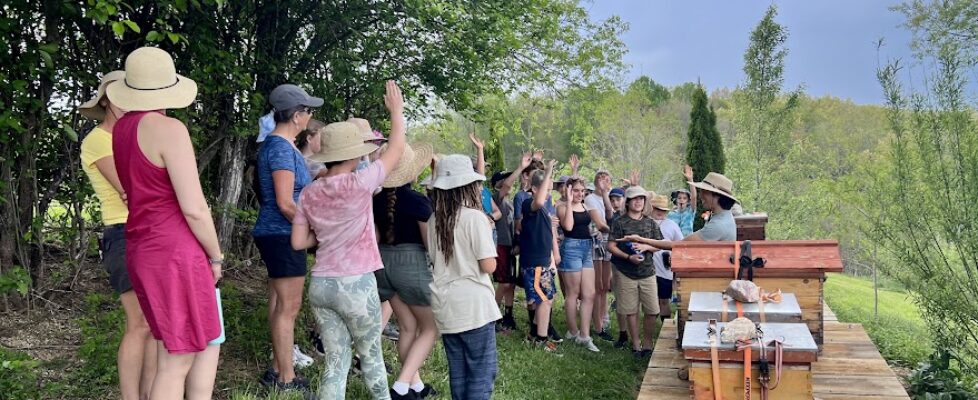
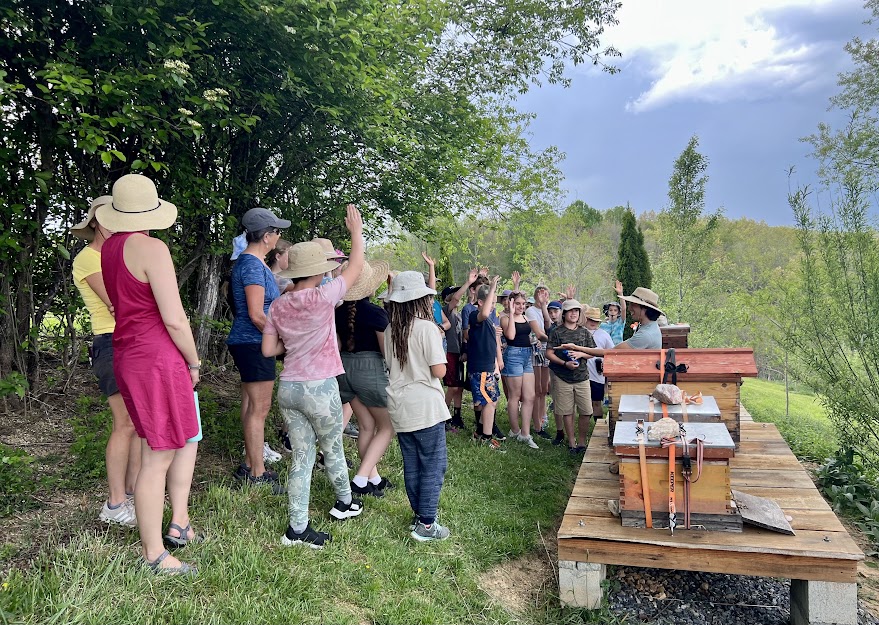
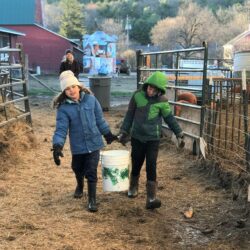
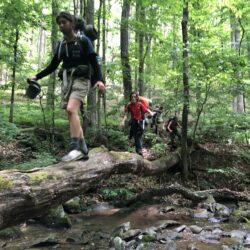
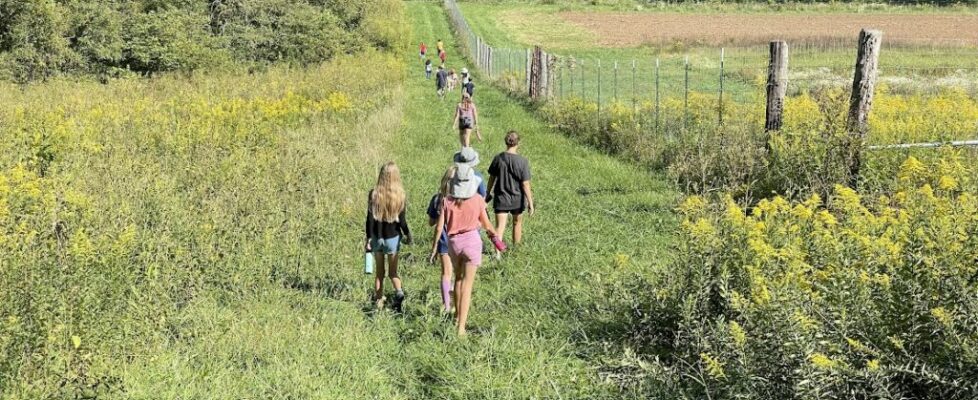
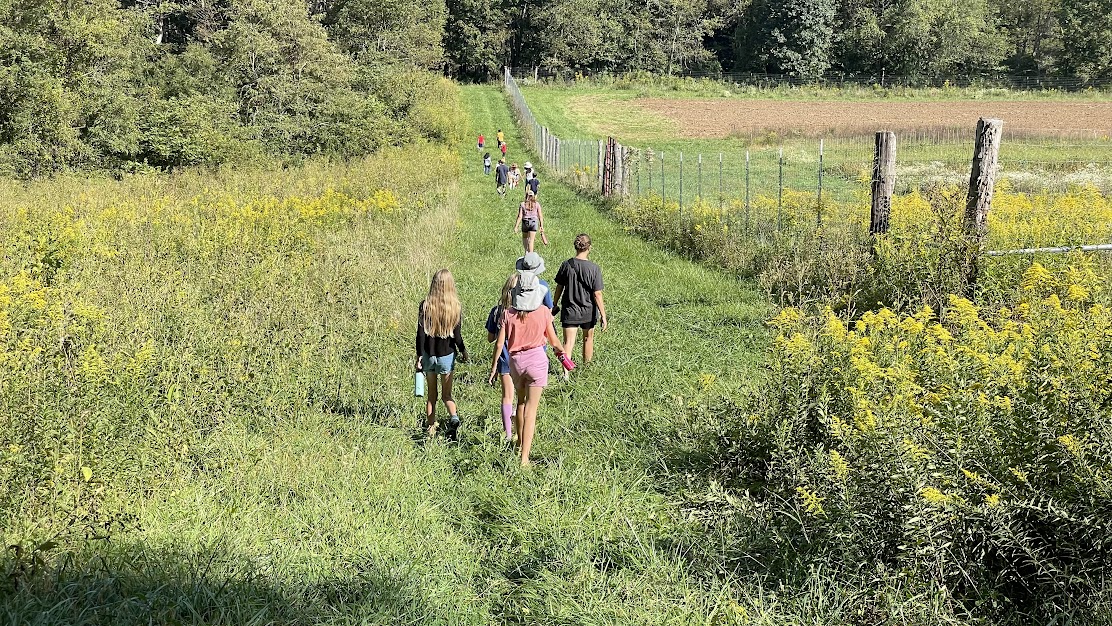
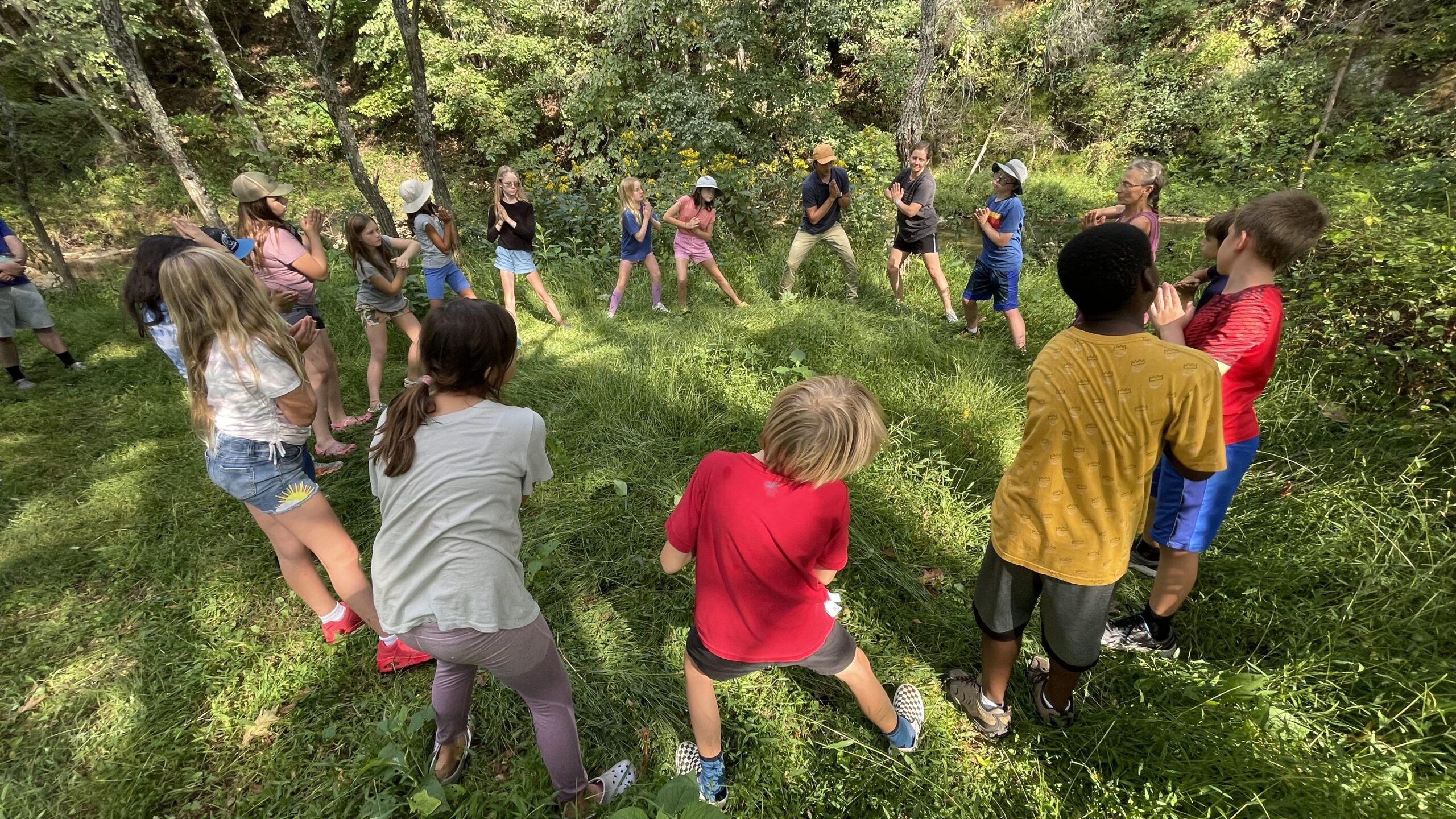
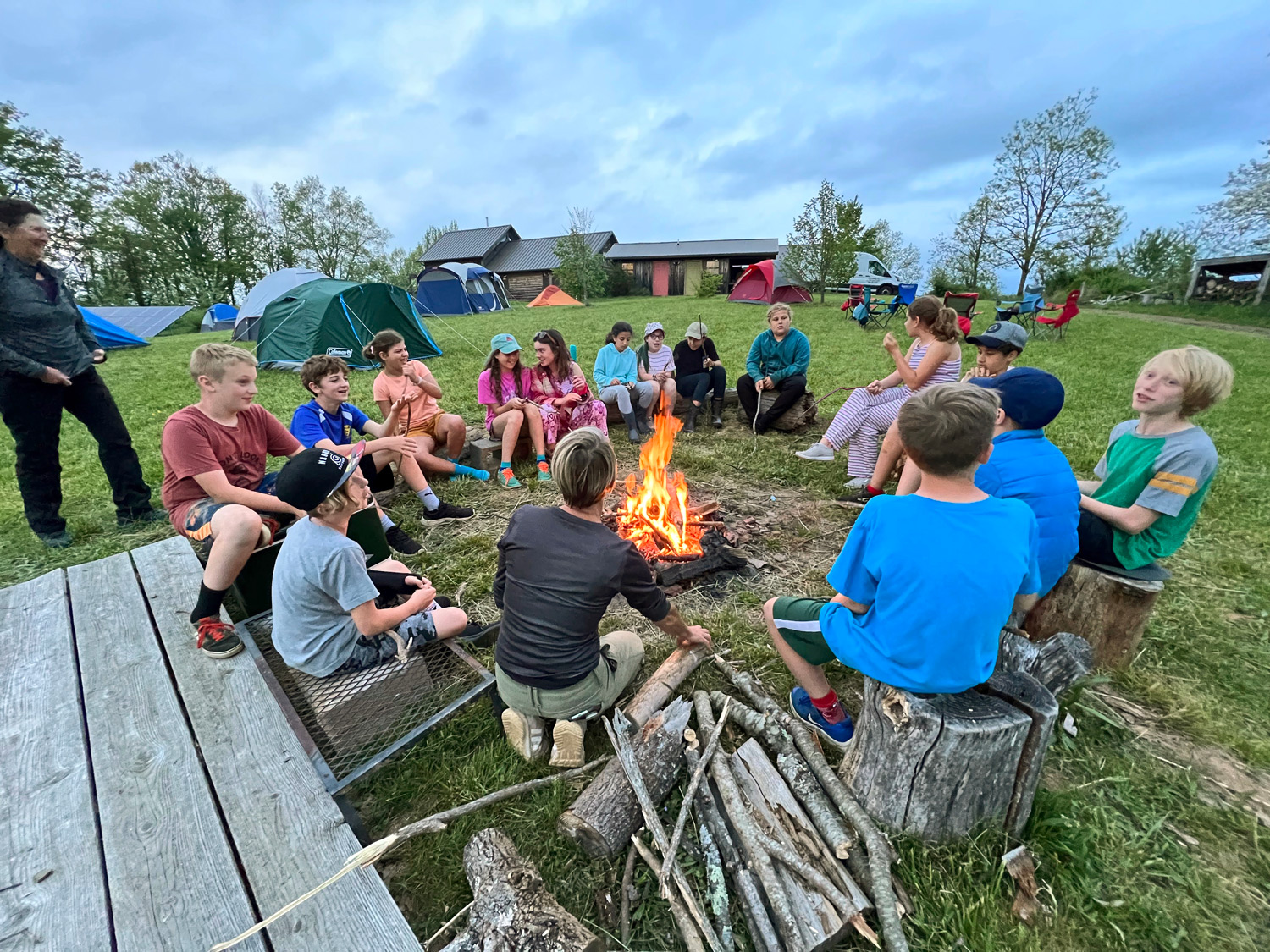
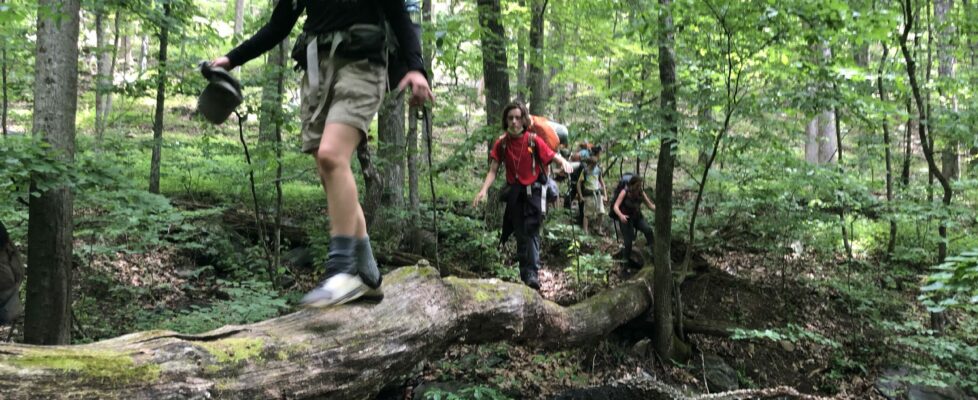
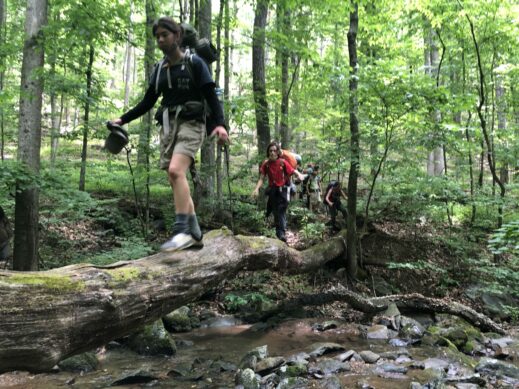
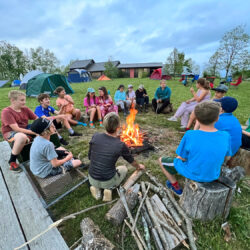 As they move into upper elementary and middle school, students study botany, geology, astronomy, chemistry, physics, and anatomy. Our teachers plan adventurous field trips to the mountains for camping, caving, kayaking, and truly experiencing the natural world as a way to teach and provide a sense of wonder. This translates into stewardship of the earth and a strong sense of environmentalism in Waldorf students. The Waldorf students deeply appreciate the beauty of nature, and as the students progress through adolescence, graduate Richmond Waldorf and move into high school and college, we see that these experiences often bloom into a strong sense to protect and preserve nature, as well as a desire to continue to have outdoor time throughout their adulthood.