Learning is Multi-Sensory. Teaching Should Be Too.
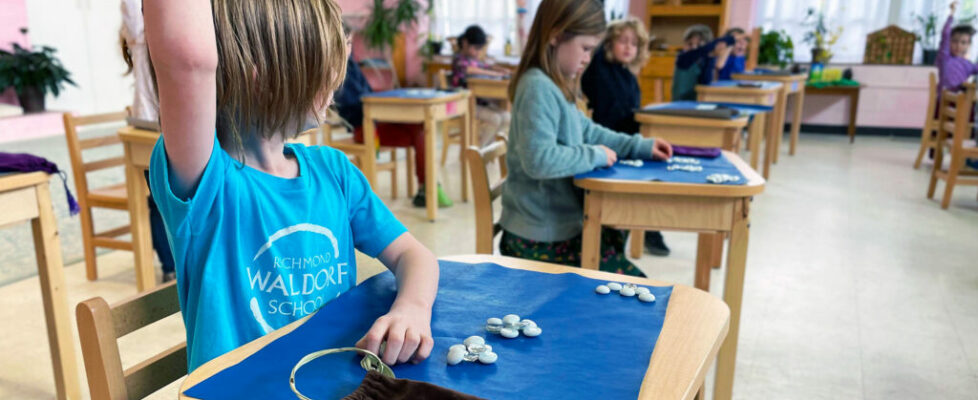
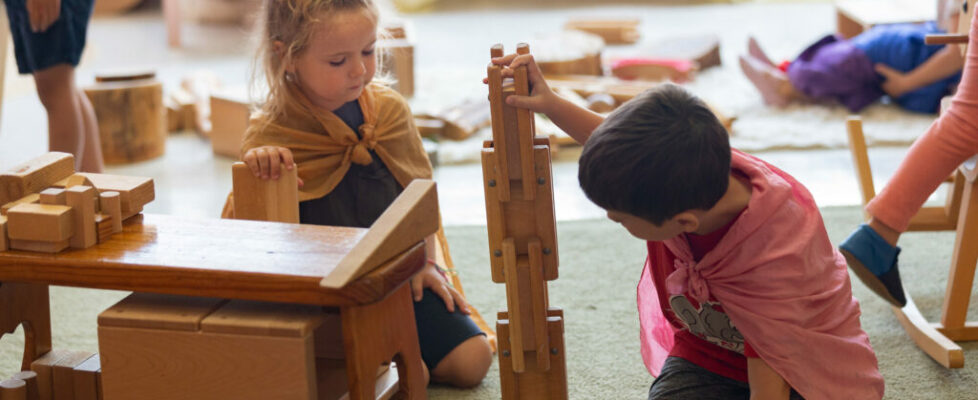
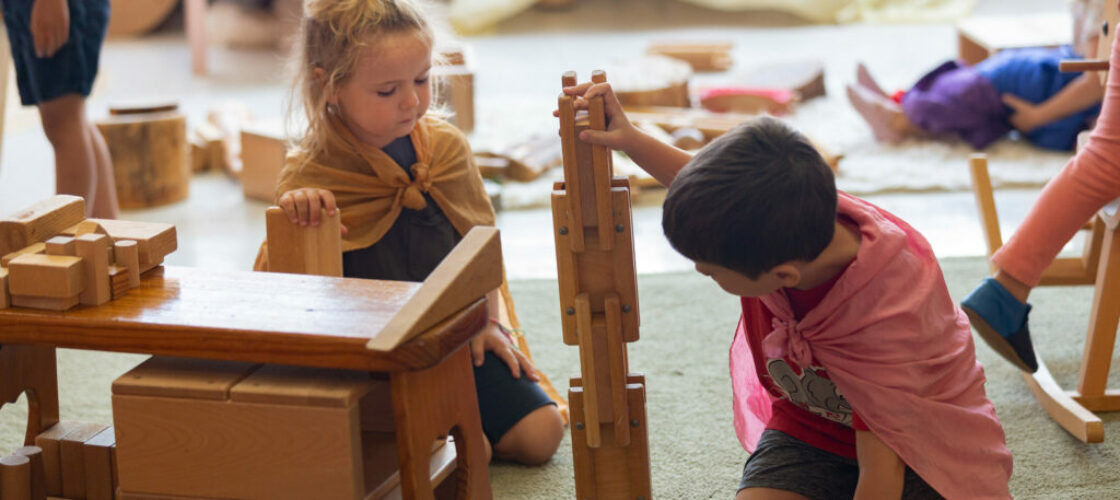
Children learn in many different ways. That’s why it is so important for teachers to bring concepts through multiple senses. In Waldorf schools we teach science through stories as well as outdoors in nature and in the lab. We move, build, and even bake and eat our math. We teach literature through theater. We sing our history and languages. We teach this way so that our curriculum reaches more children, more deeply, in a way that they love and remember.
There are many things to consider when finding the right school for your child. Finding a learning environment that emphasizes multimodal learning and an experiential approach to teaching is often what draws a family to Waldorf education. It’s no secret that we believe that children need to engage their whole body to learn academics. This is why art and movement are integrated into core academic subjects, as well as taught as stand-alone topics. When we acknowledge and incorporate multi-sensory experiences into the curriculum, student engagement soars.
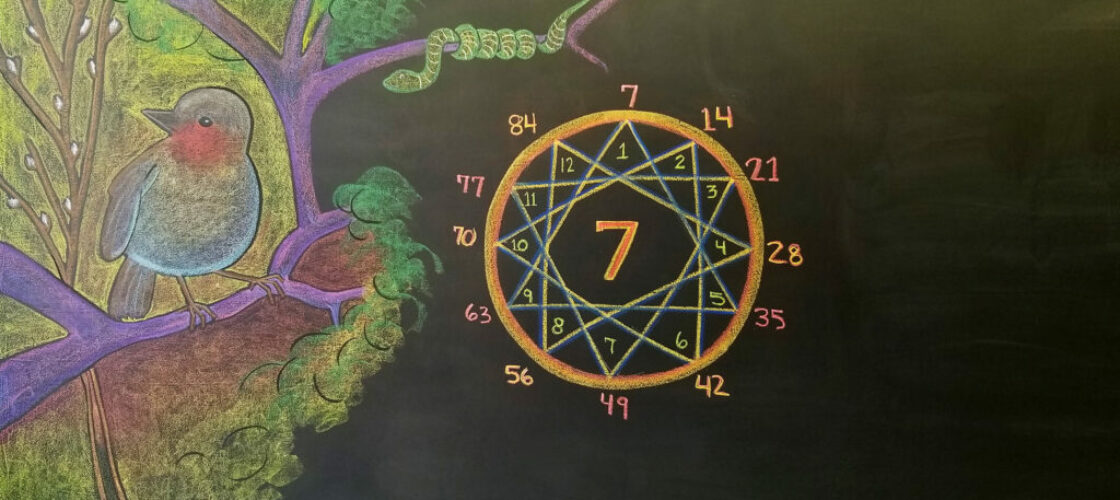
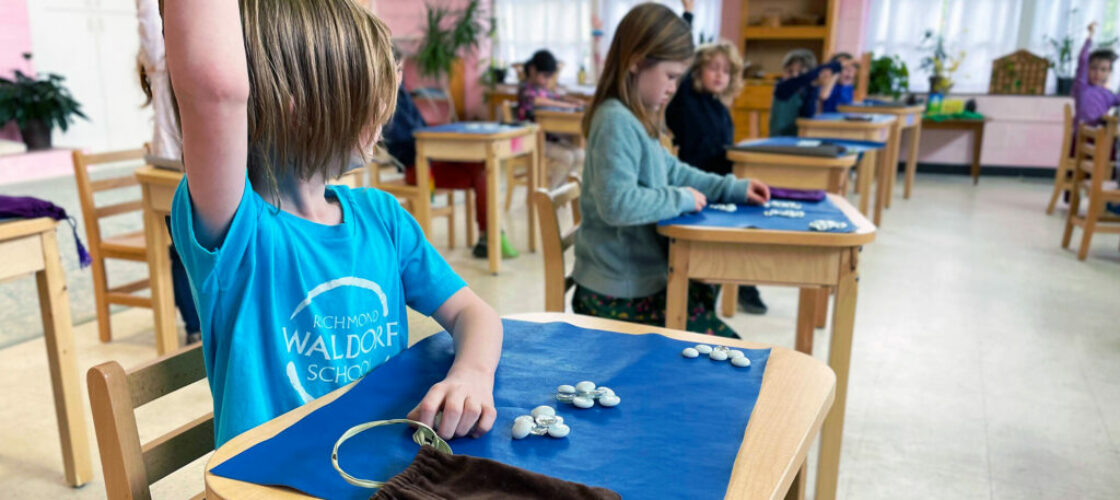
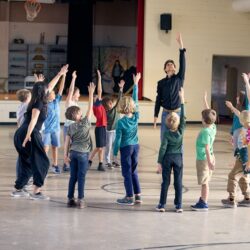
As an article in Edutopia.org, “How Multisensory Activities Enhance Reading Skills”, explains, “reading lessons can involve more than just our eyes and ears.” Further, the author explains that research reinforces the idea that multisensory learning supports all students, and “the key is to use more than one sense at a time in order to cement the concept.” As an example, in a Waldorf math lesson, you’ll see second graders working on their multiplication times tables through a variety of ways. You’ll hear students singing their 4 times tables to the tune of Frere Jacques. They’ll draw a 10-pointed star with numbers 0 to 10 at each point, and learn their 3 times tables by following the line. Hand clapping games are a common tool to bring the physical body into the intellectual concept. Their teacher may tell a story that further reinforces the relationship between these numbers. Through these exercises, concepts are being reinforced across modalities. With this, we have a much greater chance of supporting different learning styles to learn new skills, to think critically, and to use their creativity.
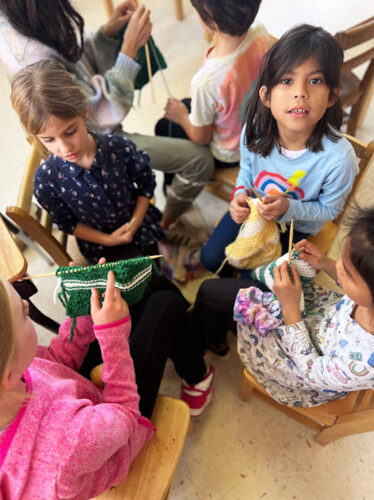
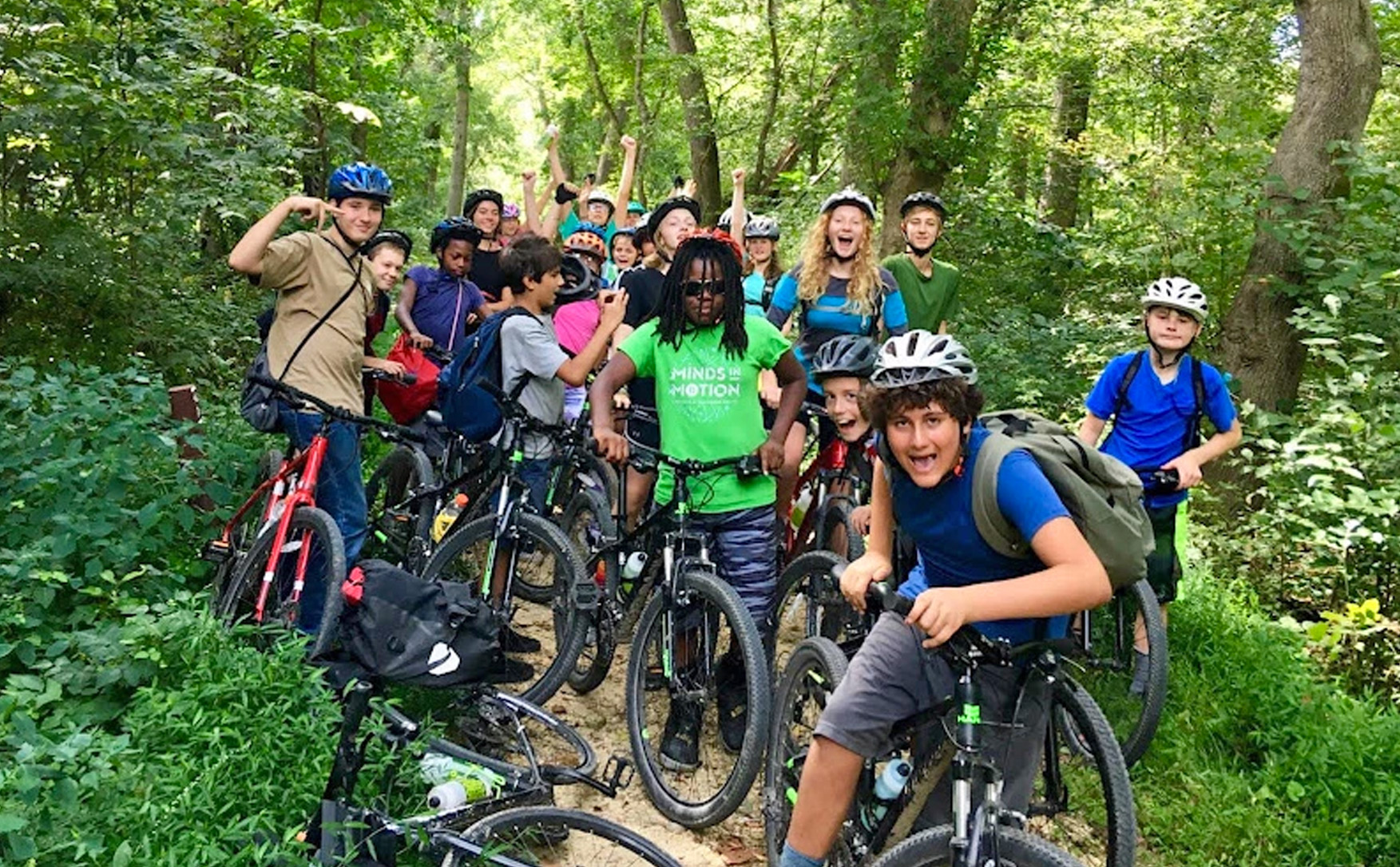
In Waldorf education, the multi-sensory approach to academics is part and parcel of our philosophy. Handwork classes begin in 1st grade, where students will learn to knit on needles, count their stitches, and follow a pattern. Cooking is regularly incorporated into world language classes to learn about different cultures. Furthermore, all students from PreK to 8th grade have biking classes. Class plays are an integral piece of the curriculum, bringing students together in a performance that is often connected to their core curriculum. There are many other examples of how all five senses are considered and honored at Richmond Waldorf School. We’d love to share more with an in-person visit.
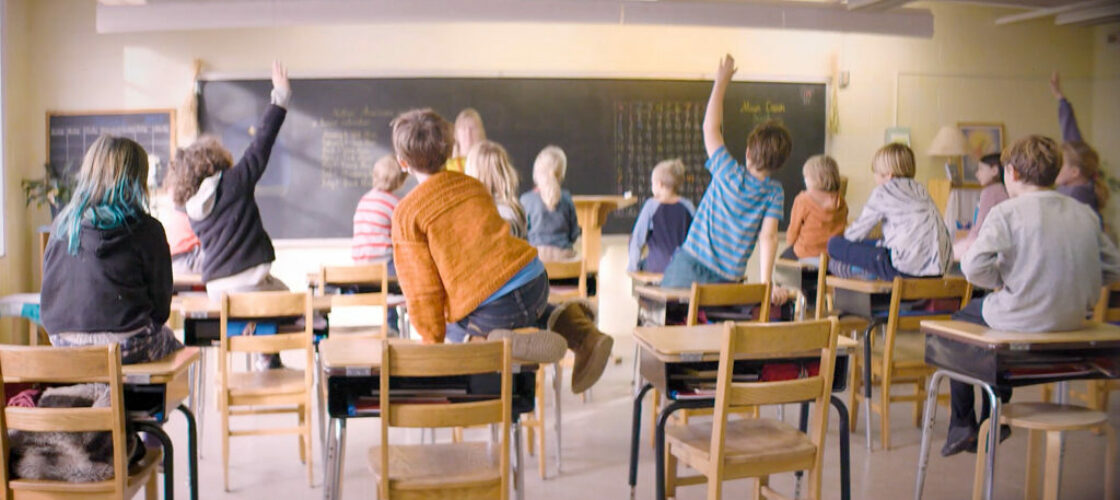
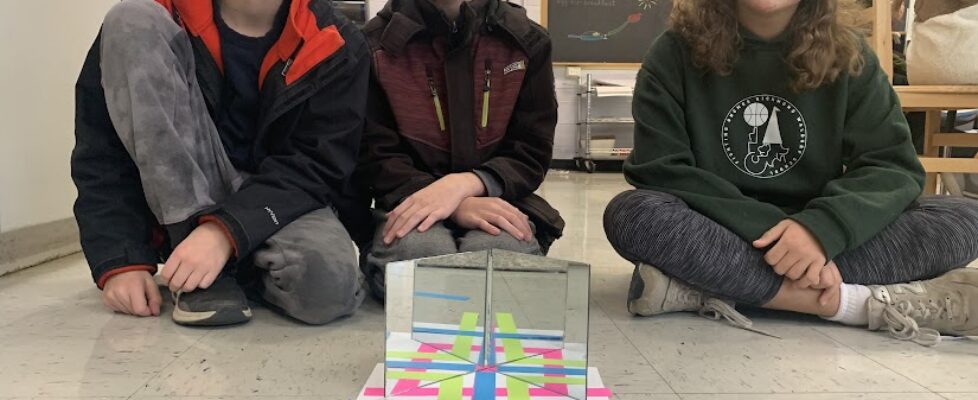
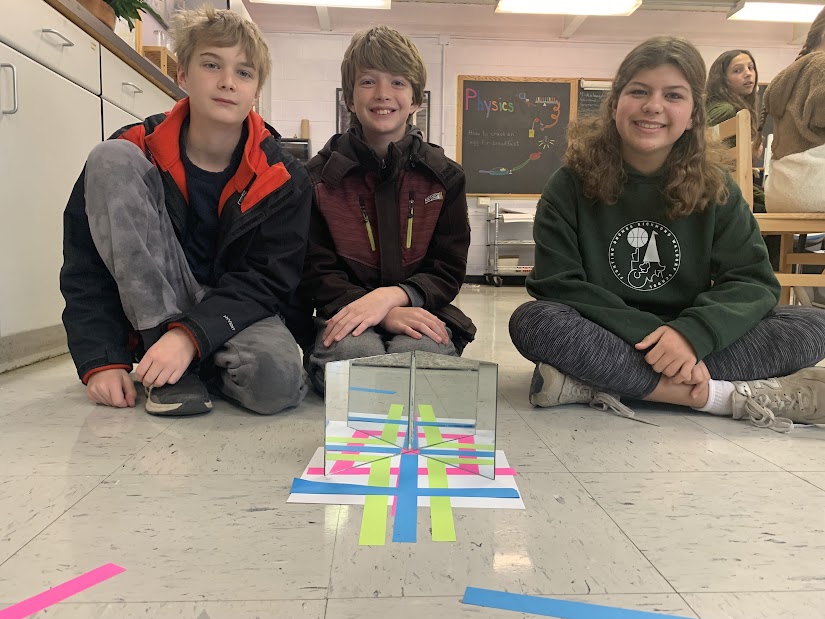
As students move into the upper elementary and middle school, the multi-sensory learning continues to unfold in increasing complexity. Laboratory sciences with engaging experiments and demonstrations are commonplace to begin a new topic. Students may be asked to recount the demonstration by drawing an illustration of the experiment they witnessed. In addition to the integrated curriculum, Waldorf teachers bring subjects to life through field trips, being in and observing nature, and through a personal relationship with their students. We want to help students cultivate an interest in the world and its people through storytelling and multi-sensory experiences.
Want to Learn More?
We would love for you to explore the Waldorf approach! Sign up for a tour, or watch our school video where students talk about life at Richmond Waldorf School. Get to know us and see if RWS is right for your child.
At Richmond Waldorf School, we recognize that our student’s physical, social, and emotional well-being are a key part of their ability to learn and thrive. We look forward to meeting you and sharing more information about Waldorf education.
Valerie Hogan
Enrollment & Marketing Administrator
| 804-377-8024 ext 3
Richmond Waldorf School is a non-profit, private school in Richmond, Virginia offering Waldorf education for grades Pre-K – 8th grade.


 The premise of a Waldorf education is to
 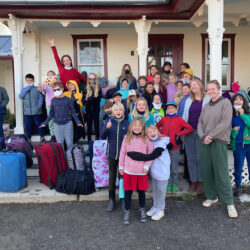 In the loving, safe environment of a Waldorf school, with long-term teachers who know them well, students can be pushed to their own individual limits, they can learn to rely on one another, and trust themselves.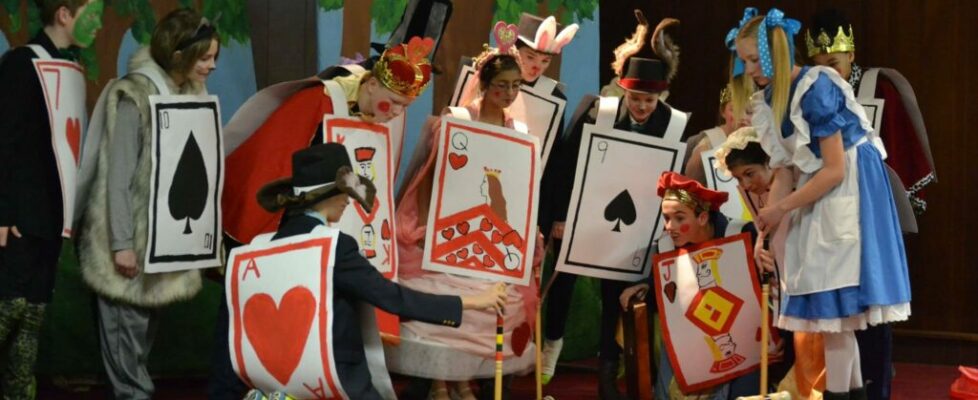
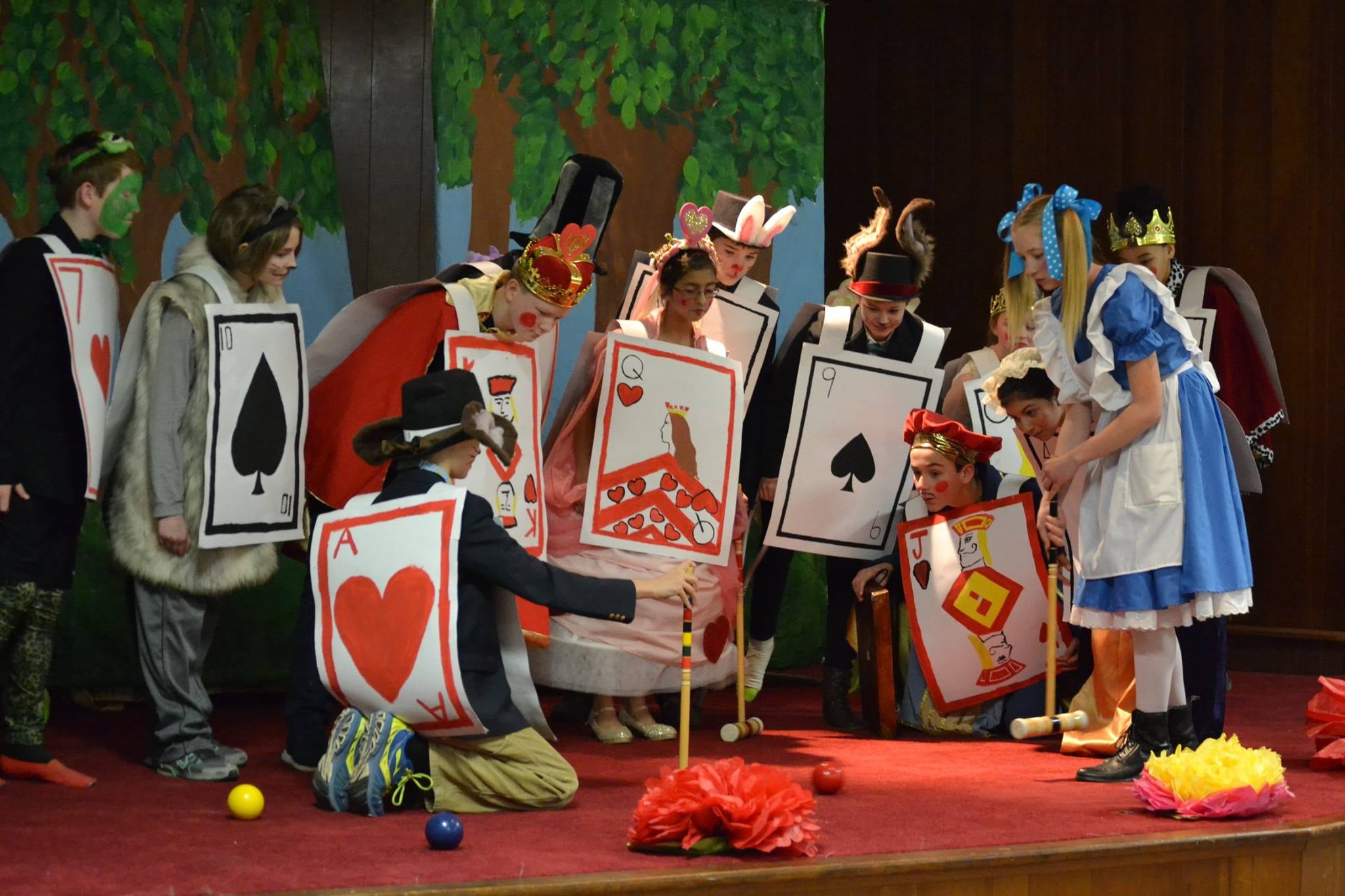
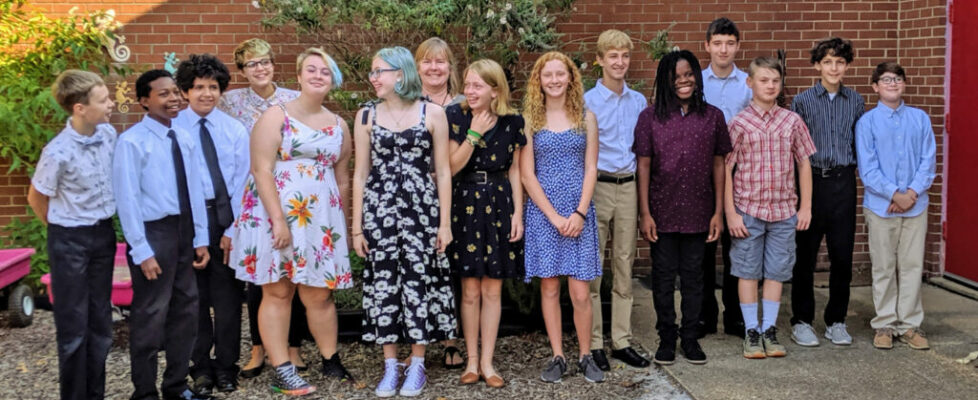
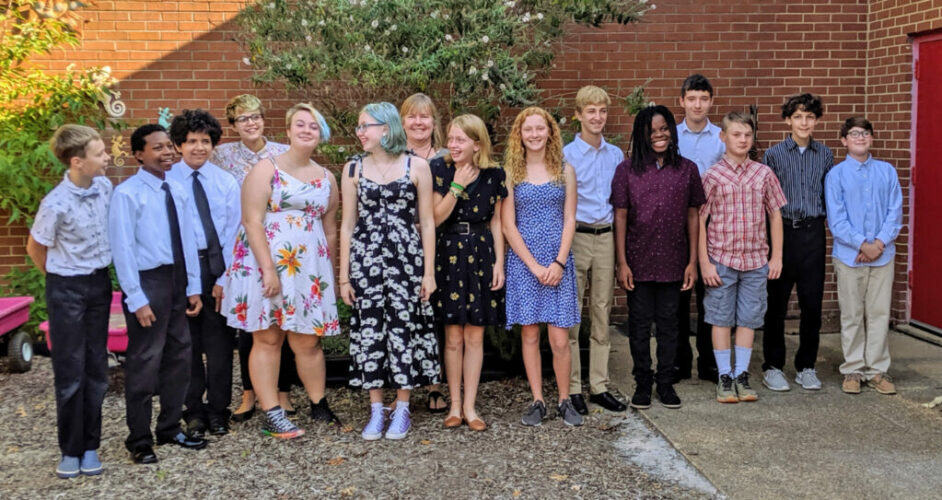
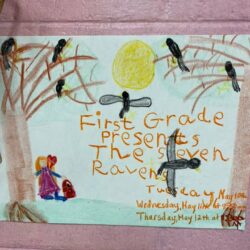 In Waldorf schools, each grade does a play every year, and the theme of the play is often inspired by the curriculum. We give time and space for these performances and experiences because we recognize that participating in theater gives students confidence. As research supports, students who participate in theater during their formative school years reap more specific benefits as well. It gives children an opportunity to face and overcome anxiety, allows them to express new emotions, and can be an enormous boost to their self-esteem. As we see a child or a class grow over the years, it is truly impressive to watch the transformation and capacity-building happen in real time.
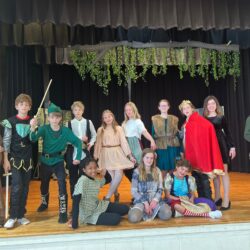 Feeling worried or anxious before even a small public speaking engagement is something most adults still struggle with. Children experience these feelings as well prior to a performance, but by giving them access to that uncomfortable feeling on a regular basis through theater, and teaching them skills to overcome it, can have a lasting effect on students. RWS creates these opportunities for discomfort and growth on a daily and weekly basis, as well as the annual play performance. During our Friday Gatherings, each class takes turns sharing things they are working on it class, be it a poem, a dance, a song, or even reports they’ve written. These opportunities to stand up in front of their peers can be nerve wracking and also teach important lessons. After a performance in which a child has overcome that feeling of anxiety, they will feel increasingly confident that they can feel an uncomfortable feeling and still move forward and be successful. What a great life lesson!
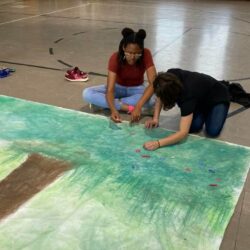 entirely new persona, and potentially express emotions that they aren’t able to in their normal lives. A child who isn’t able to express a certain emotion, might be able to when in character, or it may open the door for parents and students to have a more open conversation about sensitive subjects that the child is experiencing through their theater opportunity. We know that these experiences are outlets for students to practice and process feelings, develop empathy, and open up conversations. The teachers can use those moments as opportunities to drive a point home.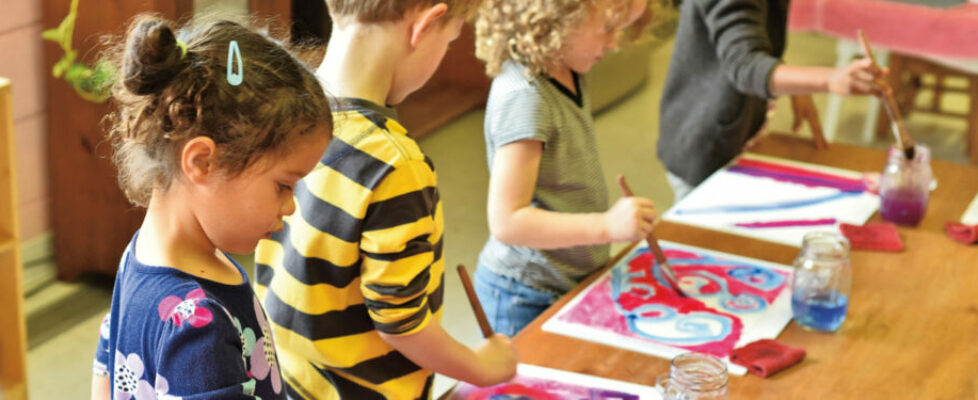
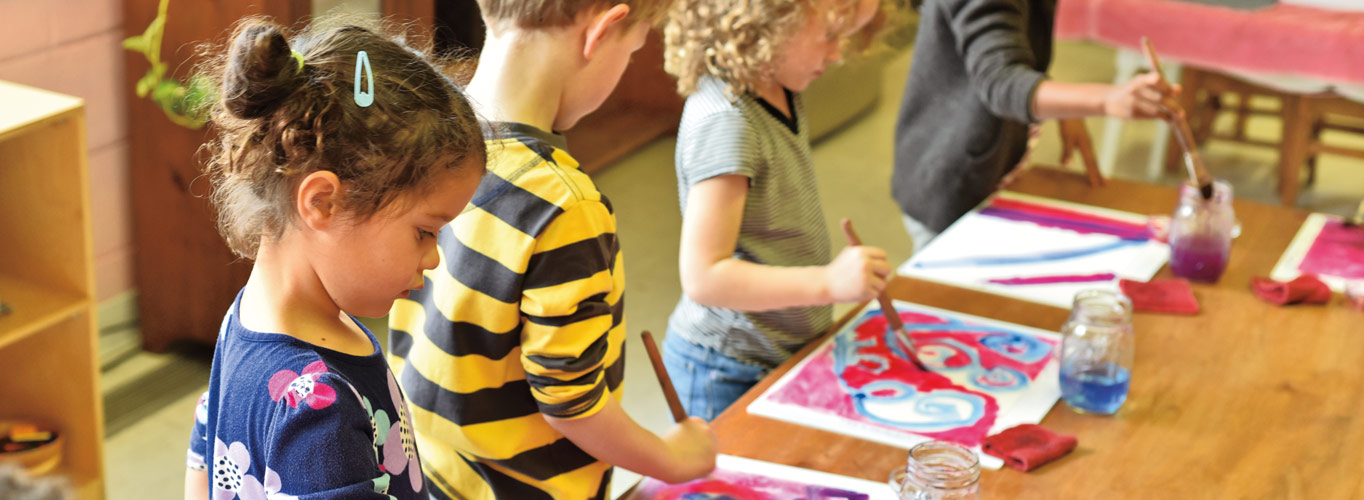
 Entering elementary and middle school, Main Lessons incorporate rich drawings and artistic expression as the children study language arts, math, science, and history. The inclusion of art and the creative impulse into traditional academics helps to engage students and find new and deeper meaning in the content. As a recent article from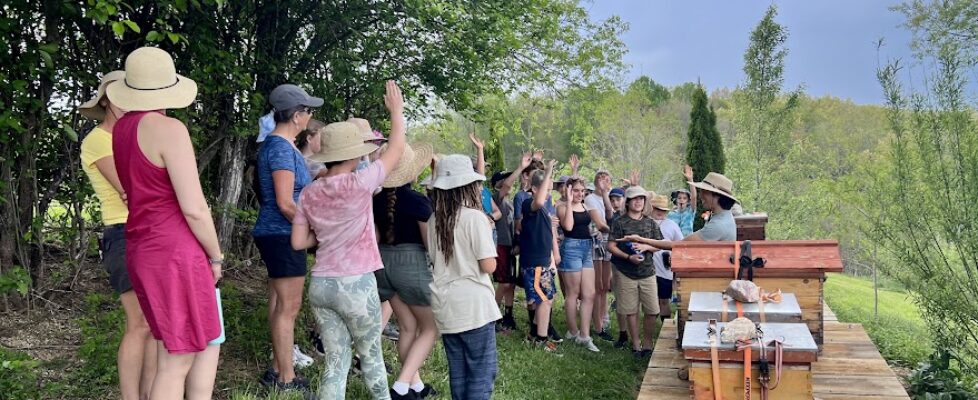
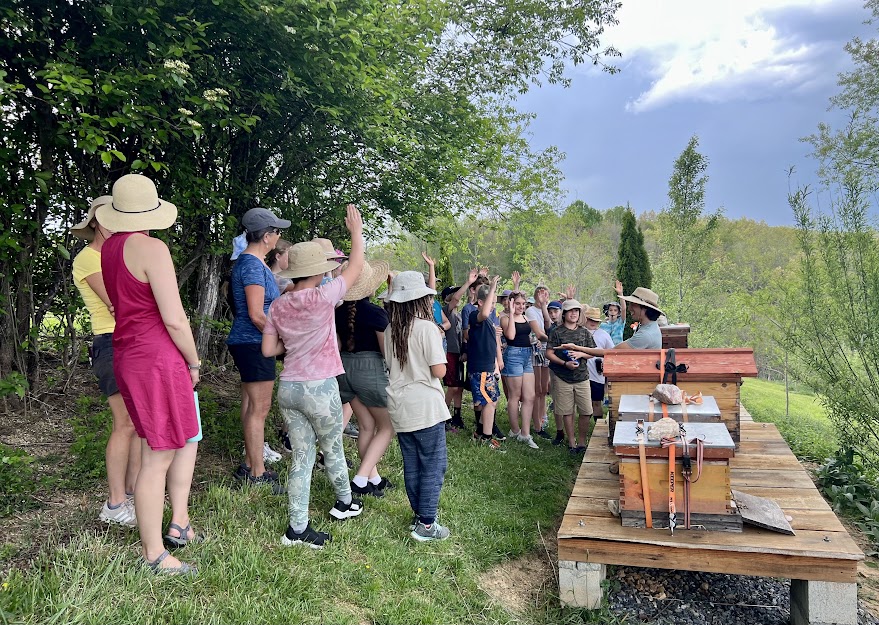
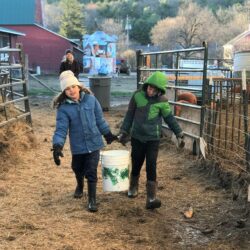
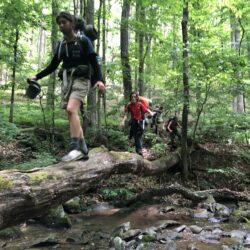
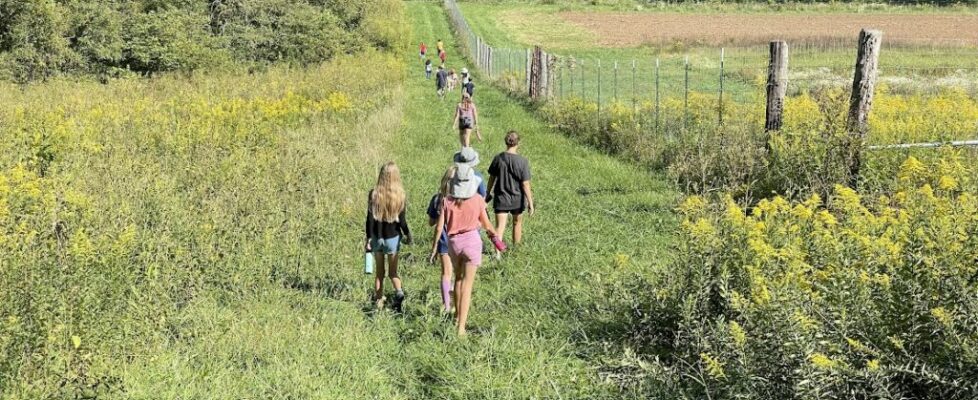
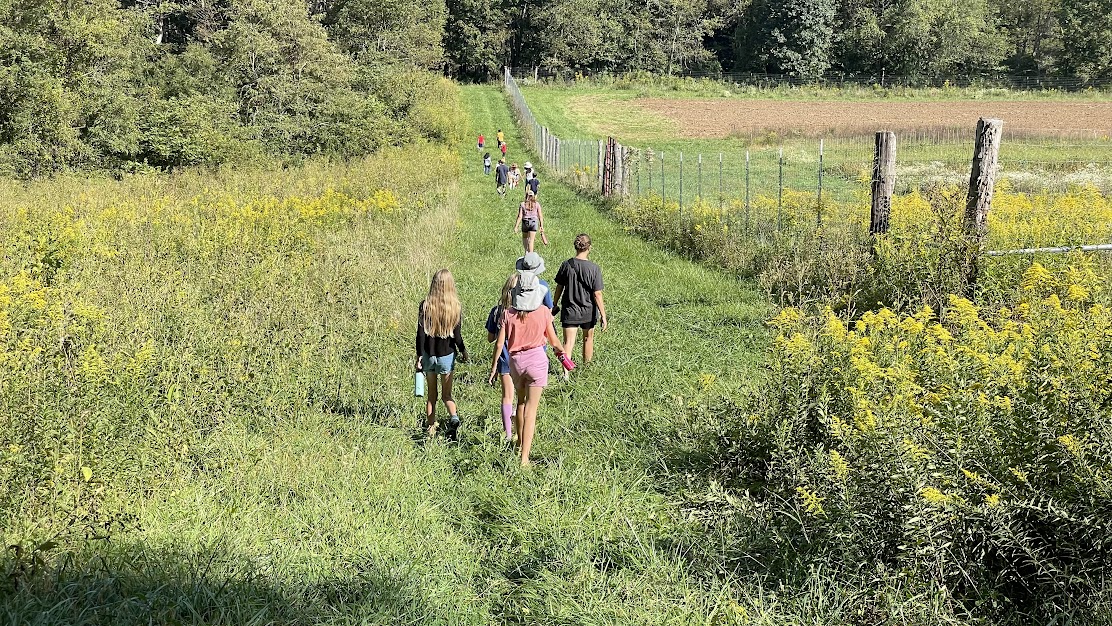
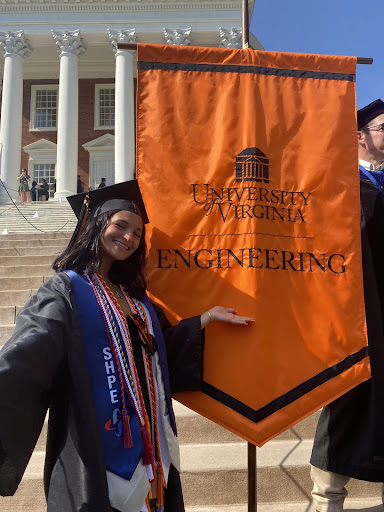
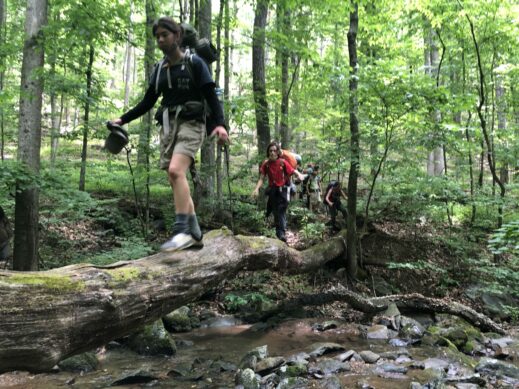
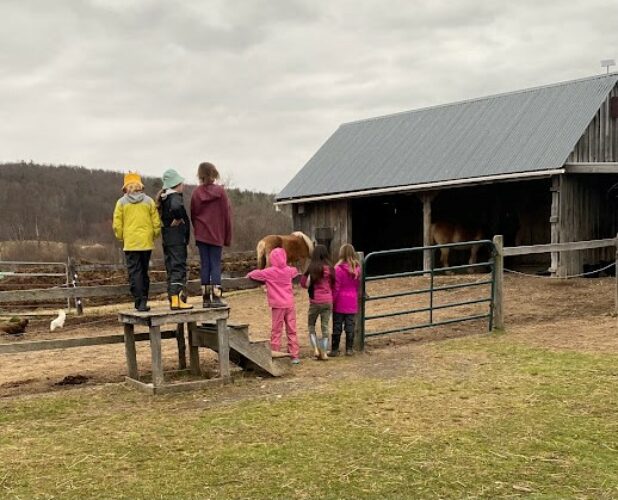
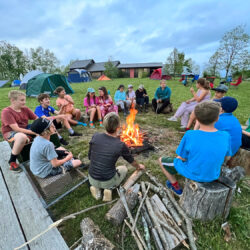 As they move into upper elementary and middle school, students study botany, geology, astronomy, chemistry, physics, and anatomy. Our teachers plan adventurous field trips to the mountains for camping, caving, kayaking, and truly experiencing the natural world as a way to teach and provide a sense of wonder. This translates into stewardship of the earth and a strong sense of environmentalism in Waldorf students. The Waldorf students deeply appreciate the beauty of nature, and as the students progress through adolescence, graduate Richmond Waldorf and move into high school and college, we see that these experiences often bloom into a strong sense to protect and preserve nature, as well as a desire to continue to have outdoor time throughout their adulthood.