School Choice Impacts the Whole Family
When families begin the school search, the focus is naturally on the child: Will my child be happy here? Will they learn and grow? Will they feel known?
But over time, something else becomes clear—the school you choose shapes not just your child’s experience, but your family’s life as well.
It influences your rhythms, your values, your weekends, your conversations at the dinner table. It shapes who you spend time with, how you think about parenting, and the kind of community you are part of, often for many years.
At Richmond Waldorf School, we think about education in this broader, more human way. Waldorf education is intentionally designed to support not only the child, but the whole family and ultimately, broader society. With teacher looping, our teachers work with students and their families over multiple years, building relationships and a deep understanding of each child. This continuity allows for meaningful partnership—one where parents feel supported, seen, and connected.
One of the ways this comes to life is through the rhythm of the year.
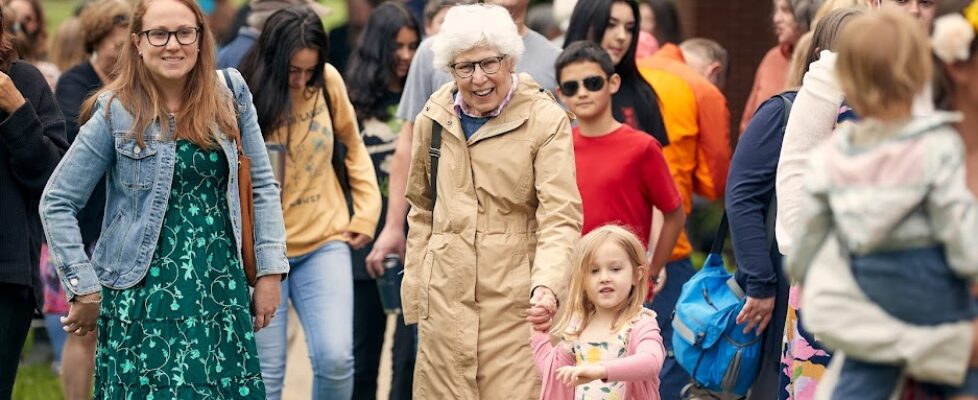
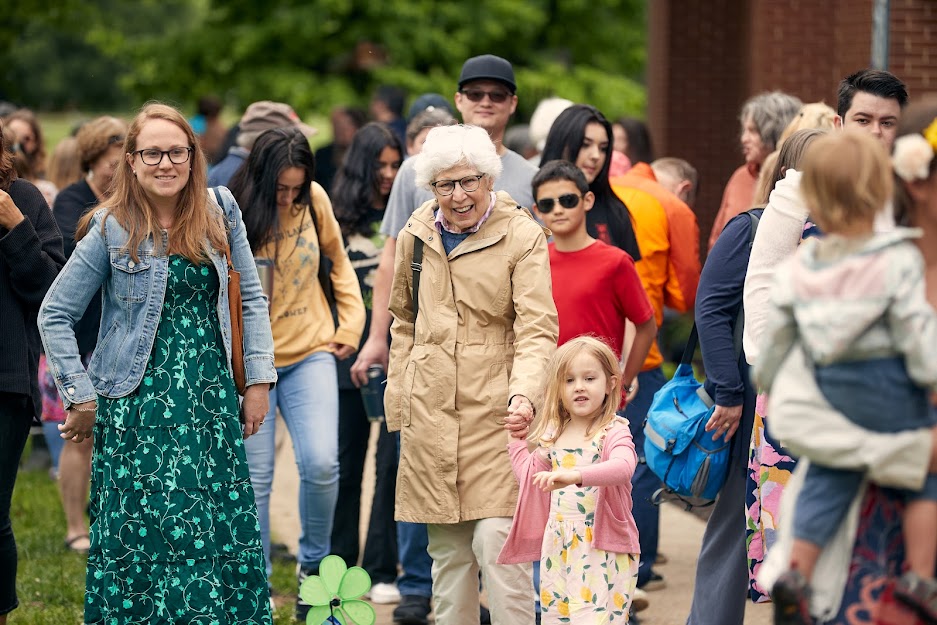
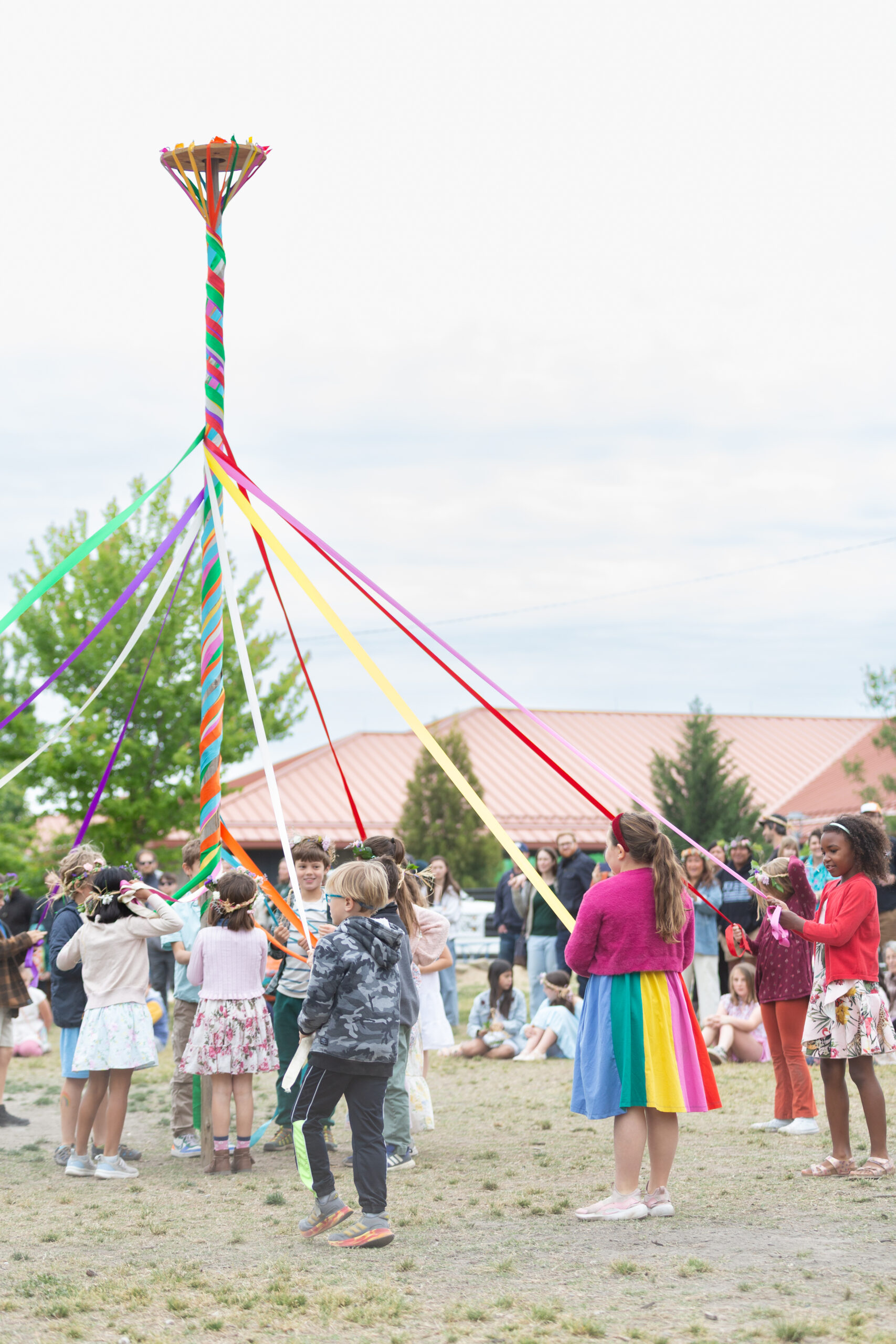
As the seasons change, so too does the life of the school. In the fall, we gather for festivals that celebrate light and harvest. In the winter, we slow down and bring warmth and reflection into our classrooms and community. Spring invites movement, growth, and joyful celebration culminating in traditions like our May Faire, where families come together to welcome the season with music, flowers, and time outdoors.
These are not just events, they are shared experiences that mark time, create memory, and connect families to one another in meaningful ways.
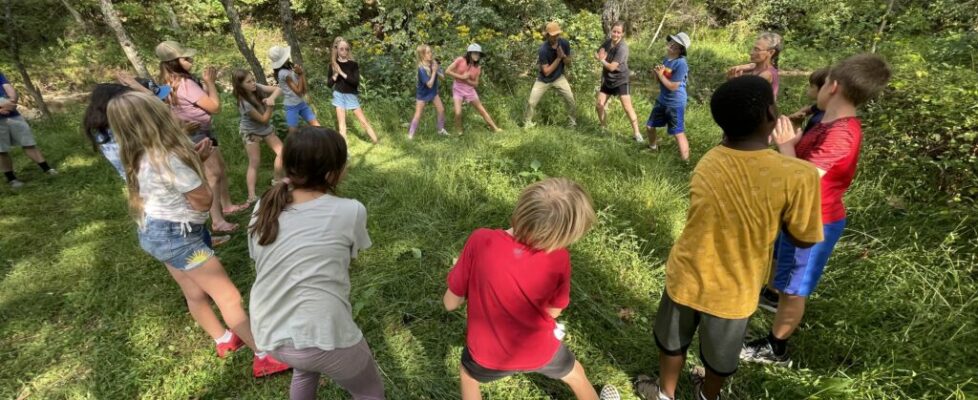
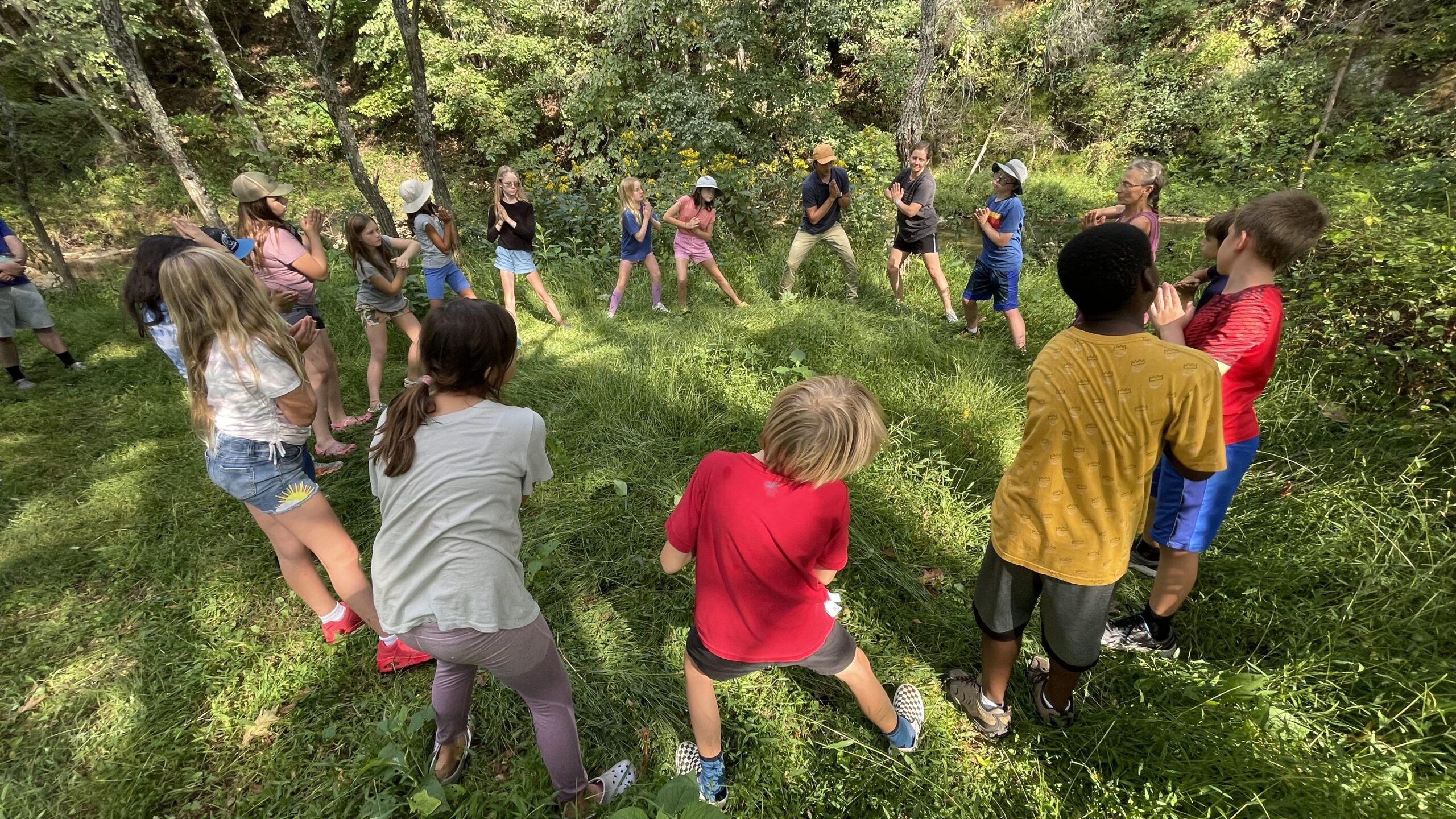
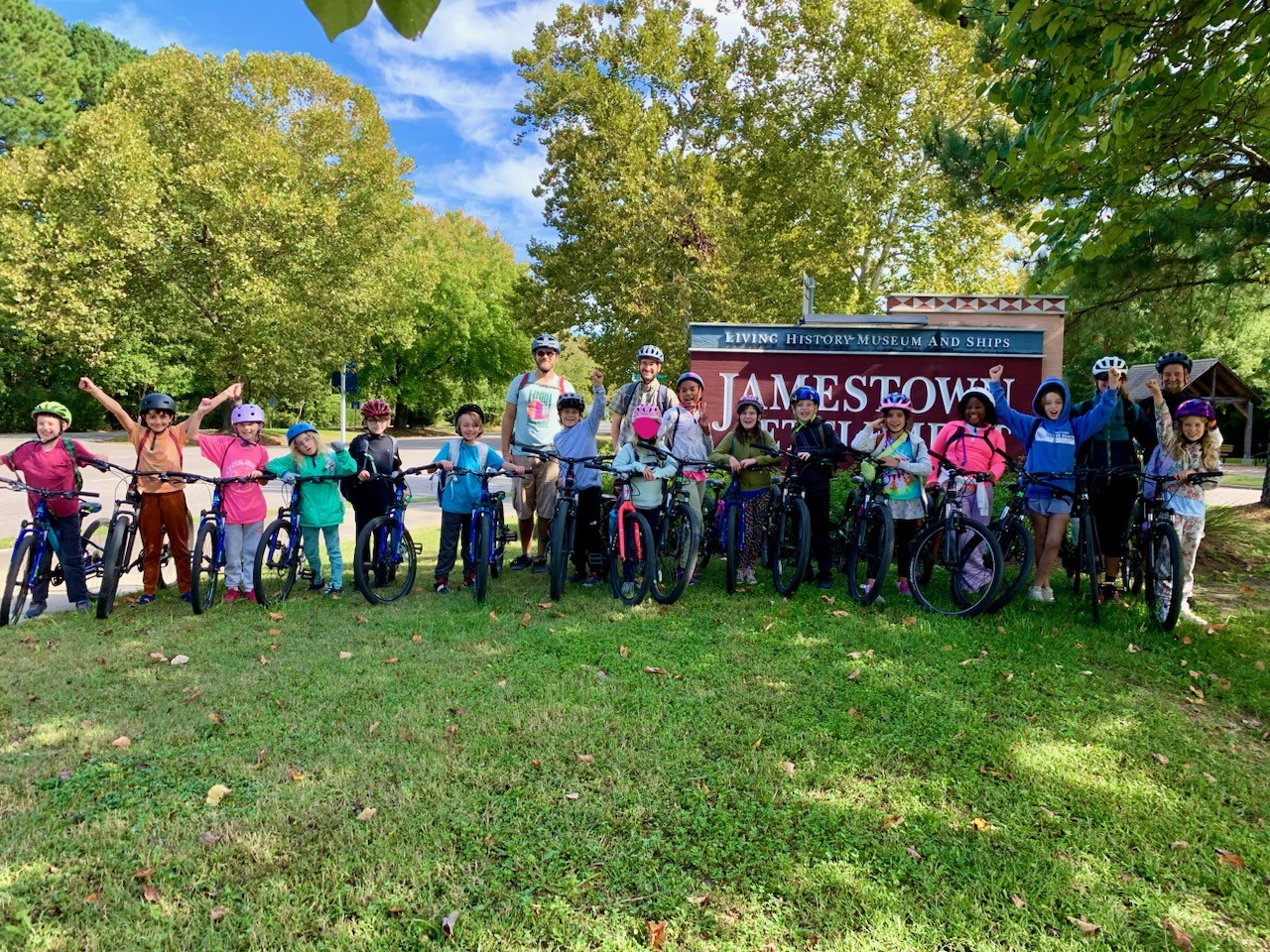
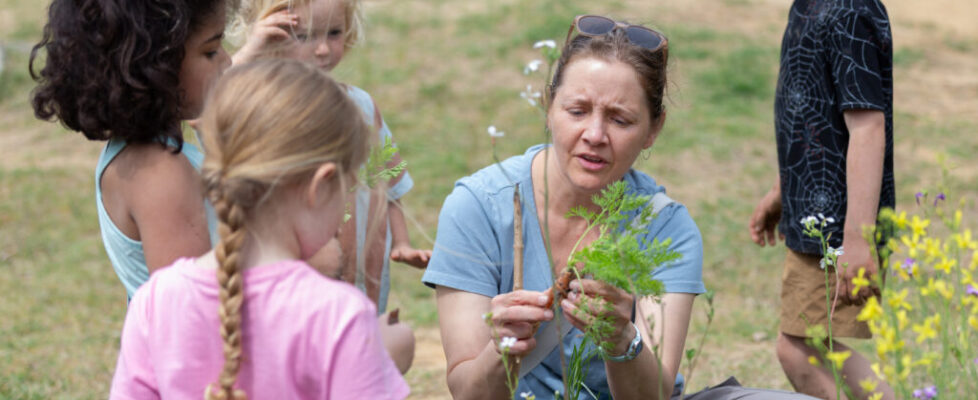
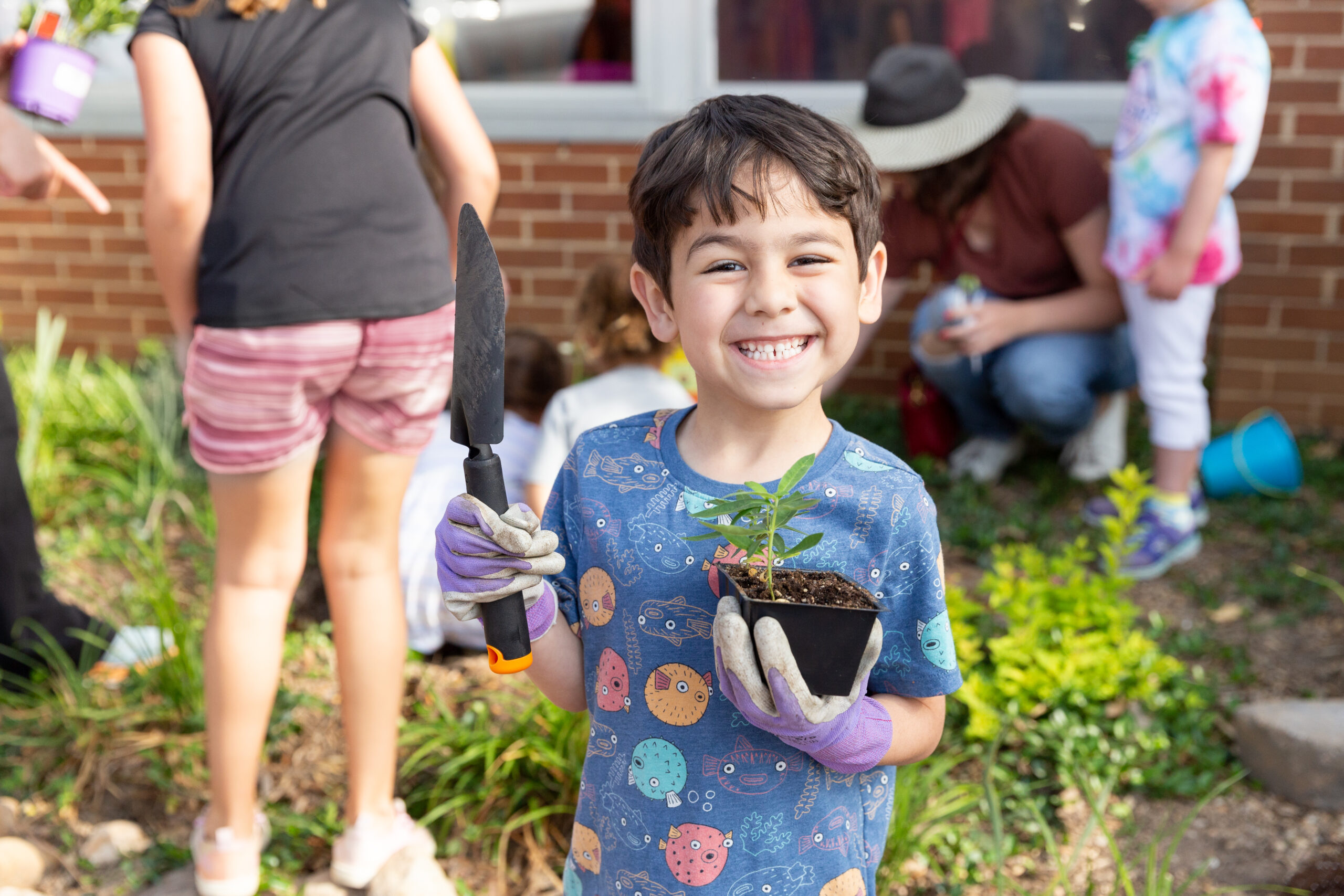
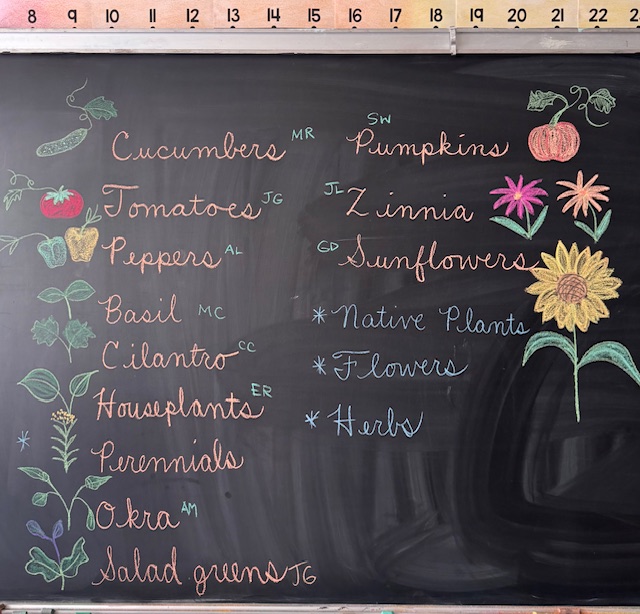
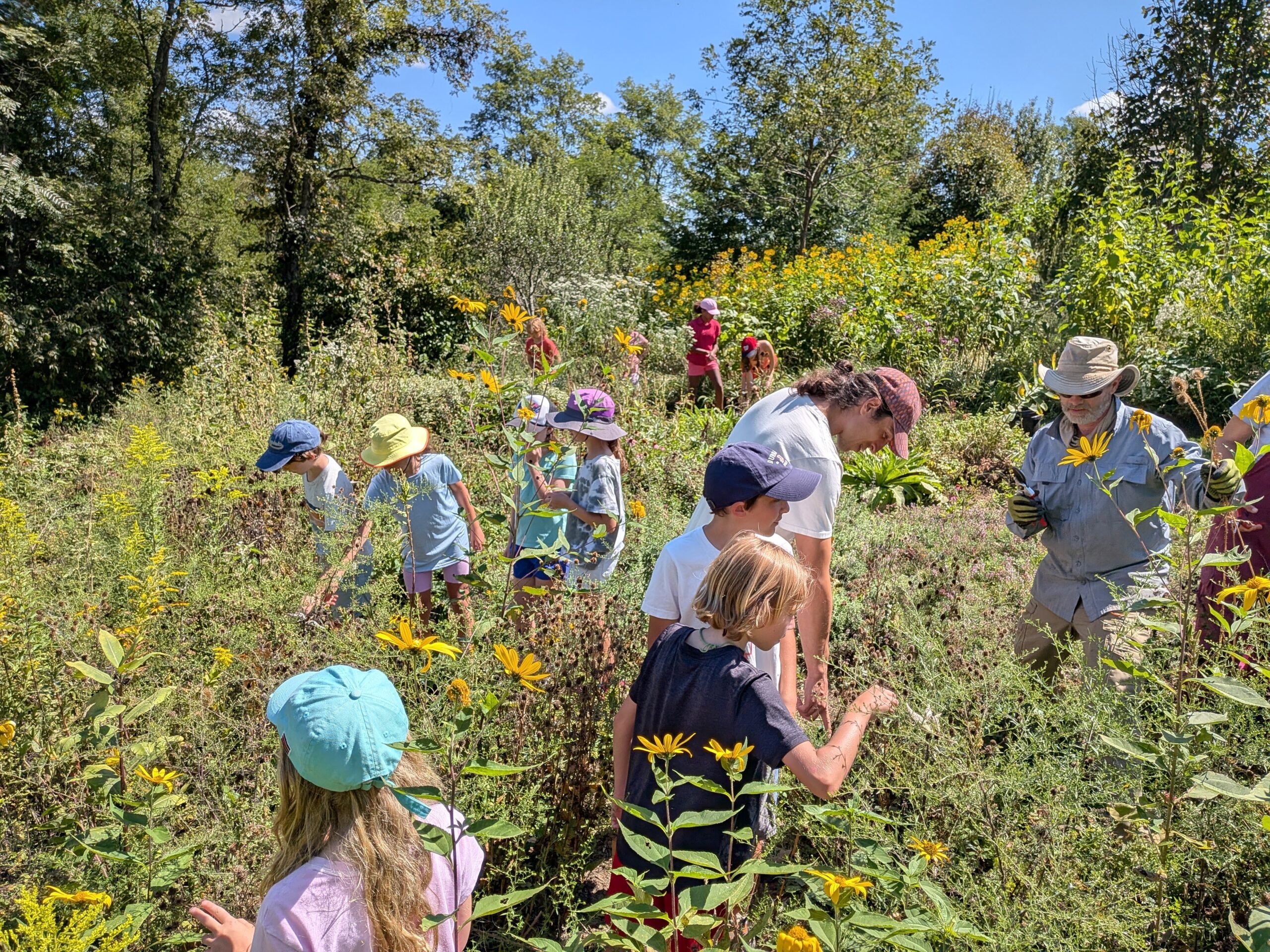
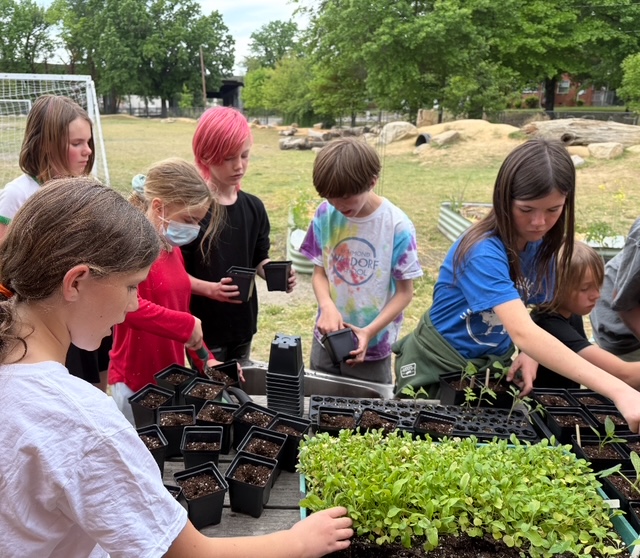
Furthermore, nature is not something we visit occasionally, it is something we move with. You see it in our outdoor play, our field trips, and the way curriculum unfolds in age-appropriate ways. Third graders spend time at farms, deepening their understanding of the land and where food comes from. Fifth graders study botany and visit a working bee sanctuary. Middle school students push themselves on longer trips that build resilience, confidence, and a sense of accomplishment, such as biking the Capital Trail or taking on the mighty James River!
Belonging and Connection
Families are part of these experiences as well.
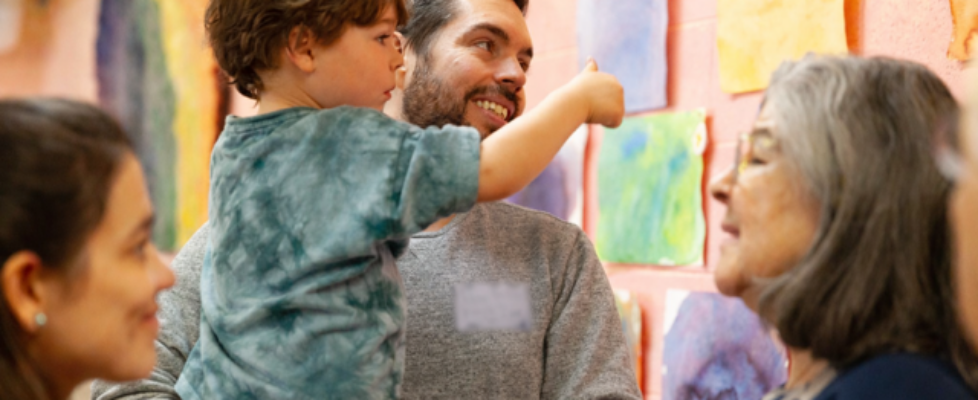
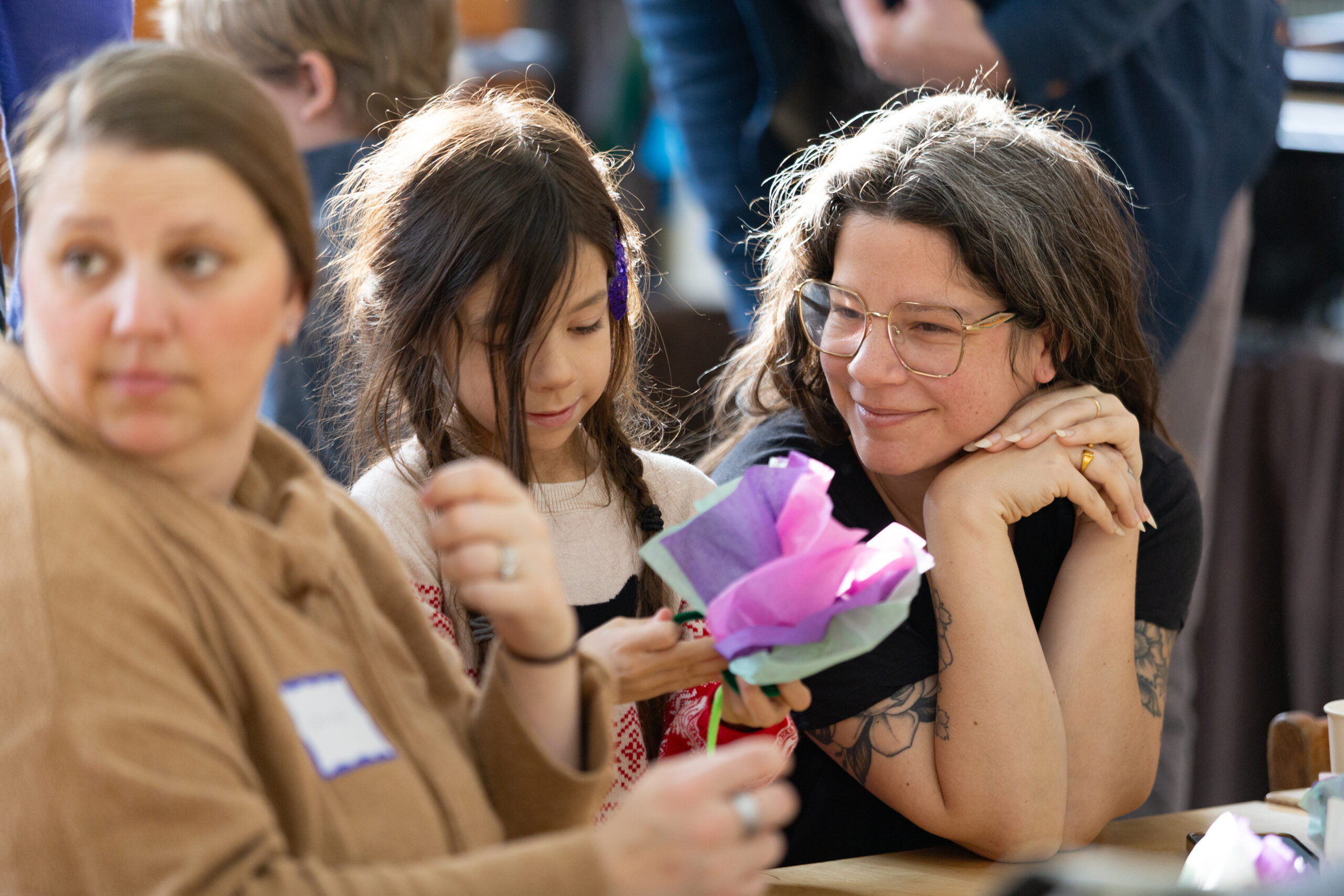
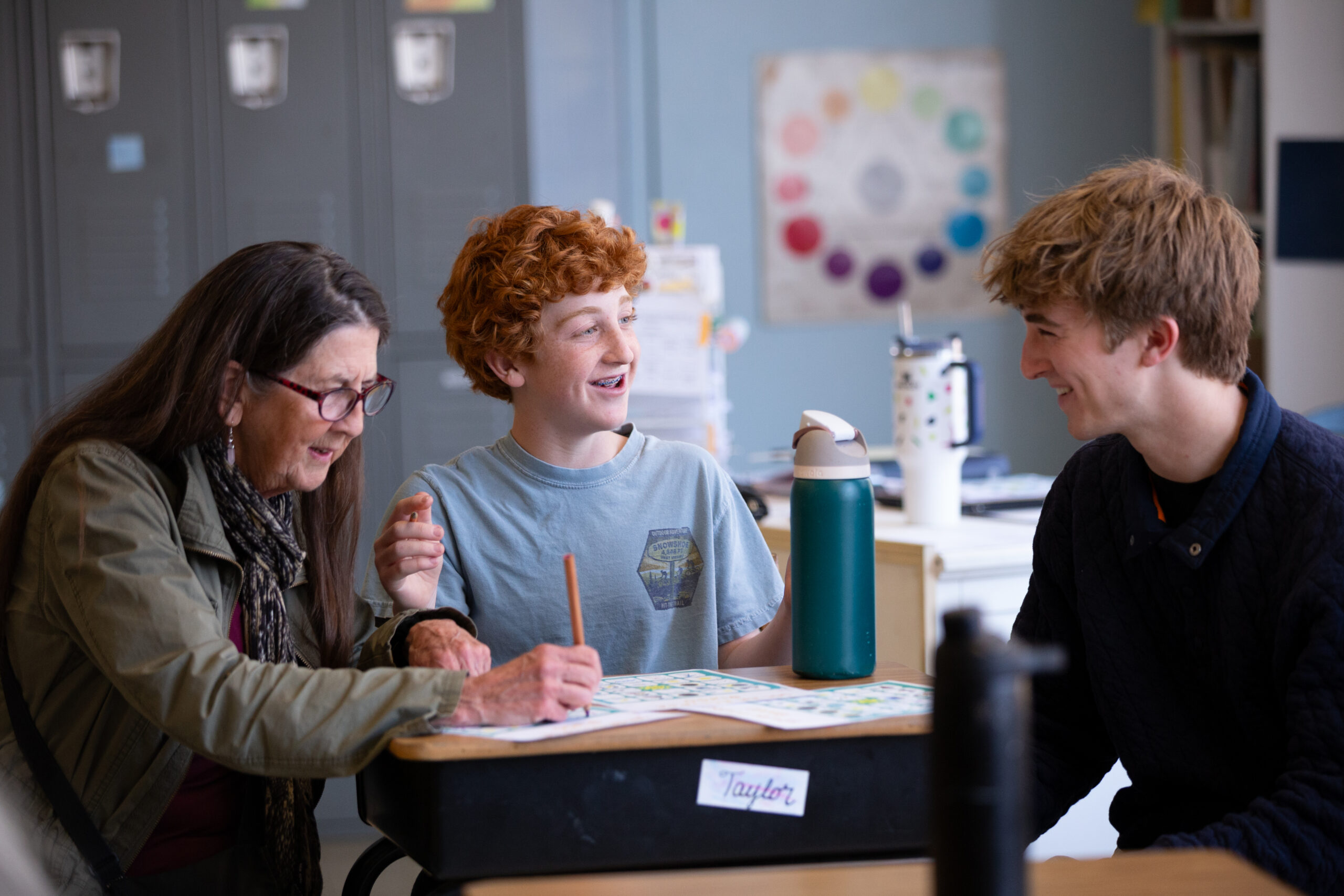
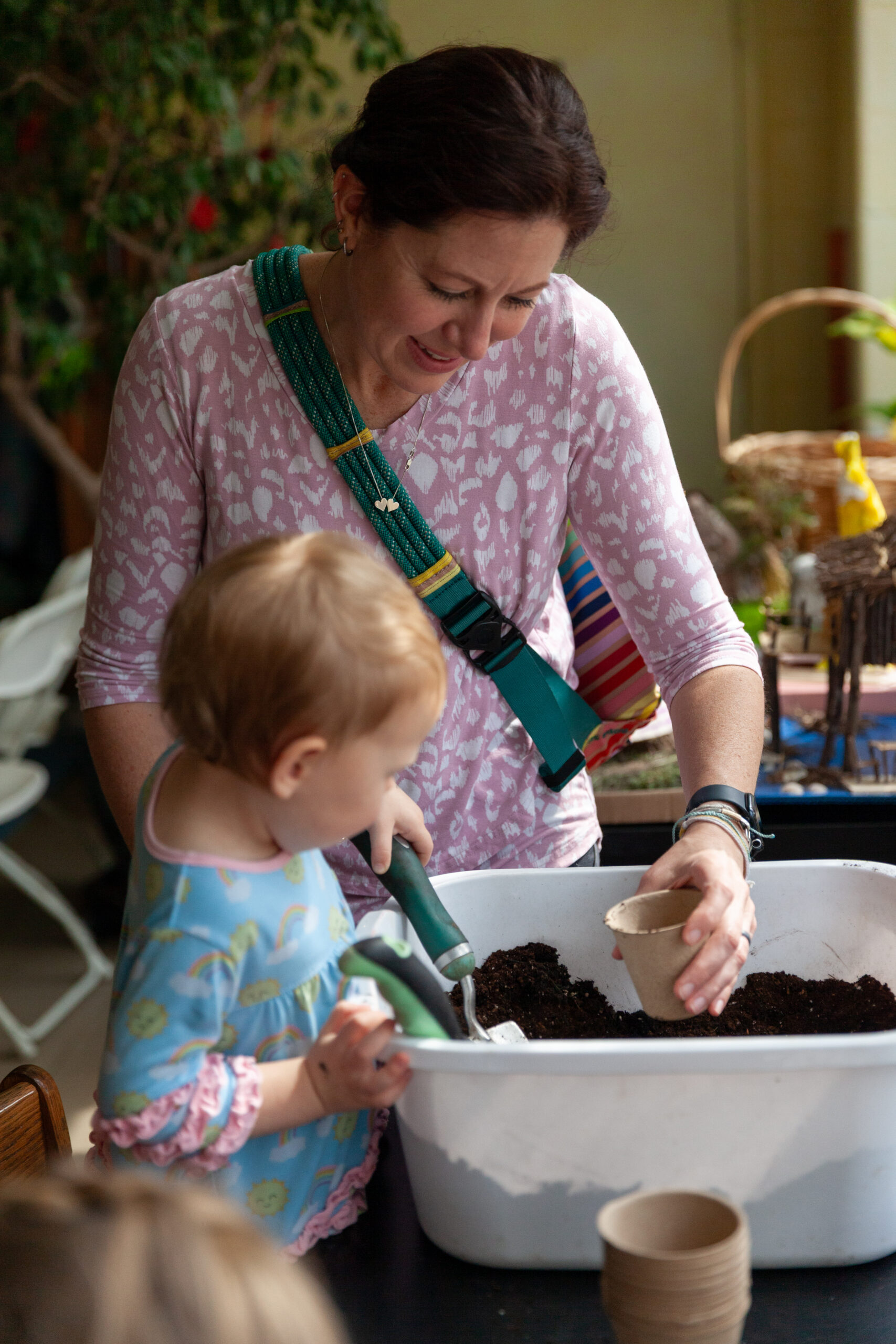
Parents join us for festivals, help prepare classrooms, chaperone field trips, and lend their time and talents in ways both big and small. Over time, these shared moments create something deeper than involvement and create belonging.
We also offer opportunities for parent education and connection, recognizing that raising children is a journey best supported in community. Whether through conversations with teachers, gatherings with other parents, or simply time spent together at school events, families grow alongside their children.
Research continues to show that when parents feel supported and engaged, it has a lasting impact on children’s development. But beyond research, we see it every day: when families feel at home in a school community, children thrive.
Choosing a school is an important decision. It is also an invitation into a community, a rhythm, and a way of being that shapes the years ahead for your whole family.
At Richmond Waldorf School, we are grateful to walk that path together.
Learn More!
If you are ready to learn more about the Waldorf approach, we welcome you to visit us, chat with our Admissions Office, and learn more. The best way to understand our approach is to experience it — to visit, observe, and see how children learn here with their heads, their hearts, and their hands.
Schedule a tour or connect with our Enrollment Director, Alexandra Mazeres, to learn more about Richmond Waldorf School. Click on our “Visit Us” page to sign up for a tour or call us at 804-377-8024 ext 3.

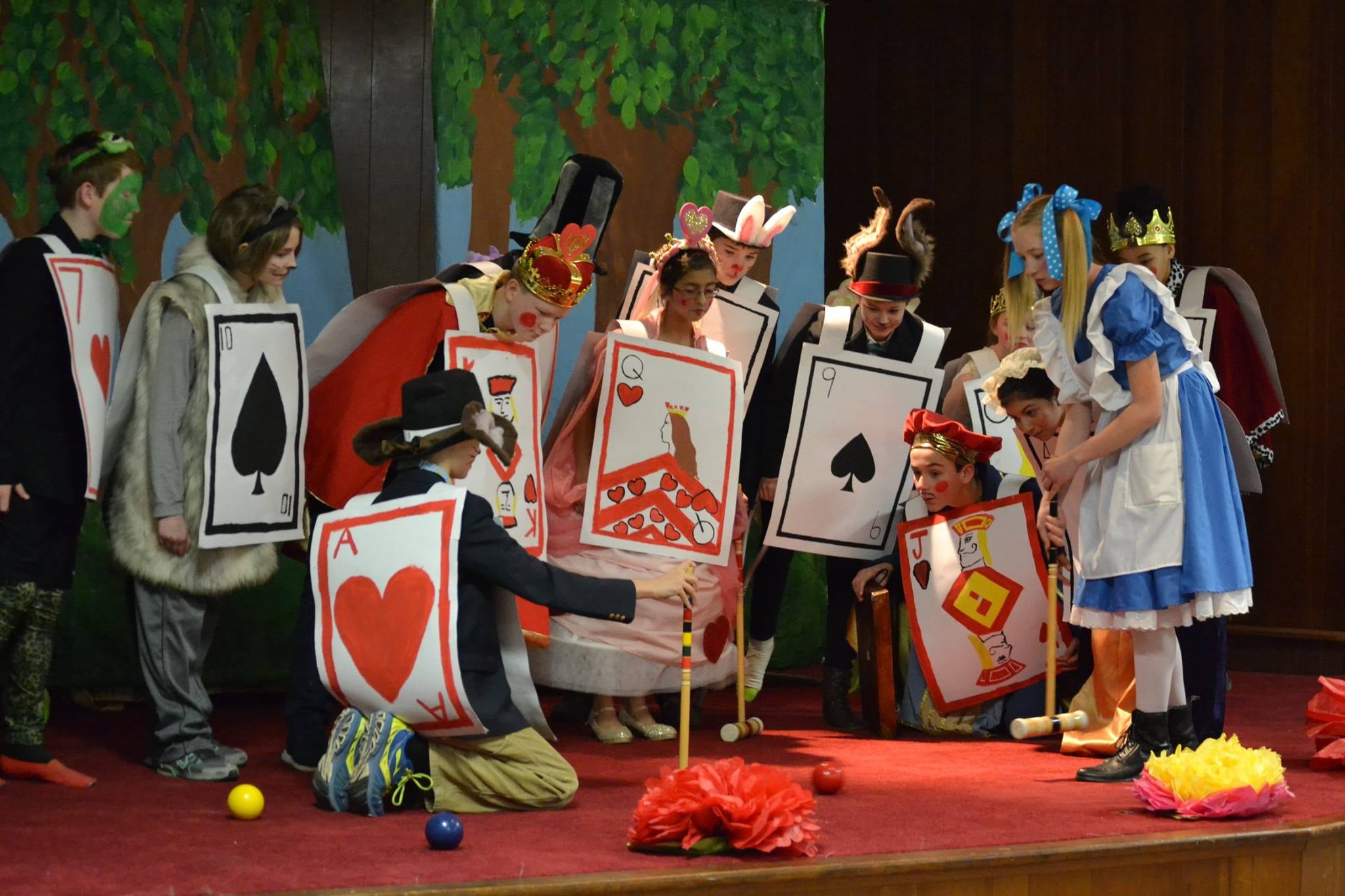
 In Waldorf schools, each grade does a play every year, and the theme of the play is often inspired by the curriculum. We give time and space for these performances and experiences because we recognize that participating in theater gives students confidence. As research supports, students who participate in theater during their formative school years reap more specific benefits as well. It gives children an opportunity to face and overcome anxiety, allows them to express new emotions, and can be an enormous boost to their self-esteem. As we see a child or a class grow over the years, it is truly impressive to watch the transformation and capacity-building happen in real time.
 Feeling worried or anxious before even a small public speaking engagement is something most adults still struggle with. Children experience these feelings as well prior to a performance, but by giving them access to that uncomfortable feeling on a regular basis through theater, and teaching them skills to overcome it, can have a lasting effect on students. RWS creates these opportunities for discomfort and growth on a daily and weekly basis, as well as the annual play performance. During our Friday Gatherings, each class takes turns sharing things they are working on it class, be it a poem, a dance, a song, or even reports they’ve written. These opportunities to stand up in front of their peers can be nerve wracking and also teach important lessons. After a performance in which a child has overcome that feeling of anxiety, they will feel increasingly confident that they can feel an uncomfortable feeling and still move forward and be successful. What a great life lesson!
 entirely new persona, and potentially express emotions that they aren’t able to in their normal lives. A child who isn’t able to express a certain emotion, might be able to when in character, or it may open the door for parents and students to have a more open conversation about sensitive subjects that the child is experiencing through their theater opportunity. We know that these experiences are outlets for students to practice and process feelings, develop empathy, and open up conversations. The teachers can use those moments as opportunities to drive a point home.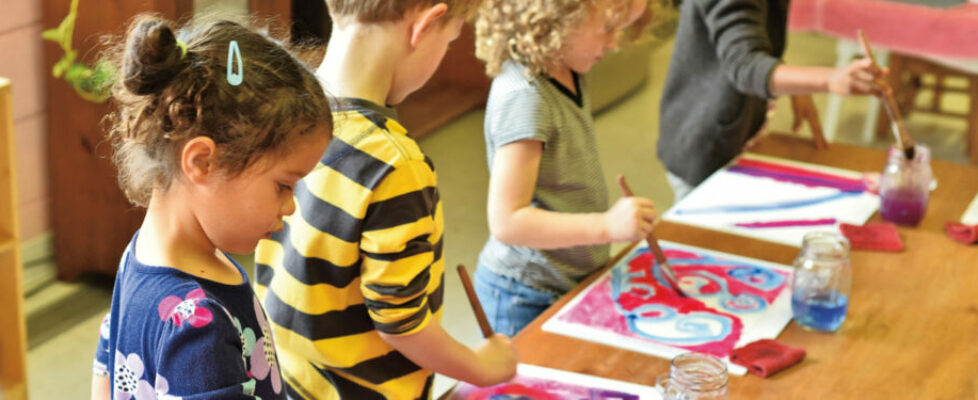
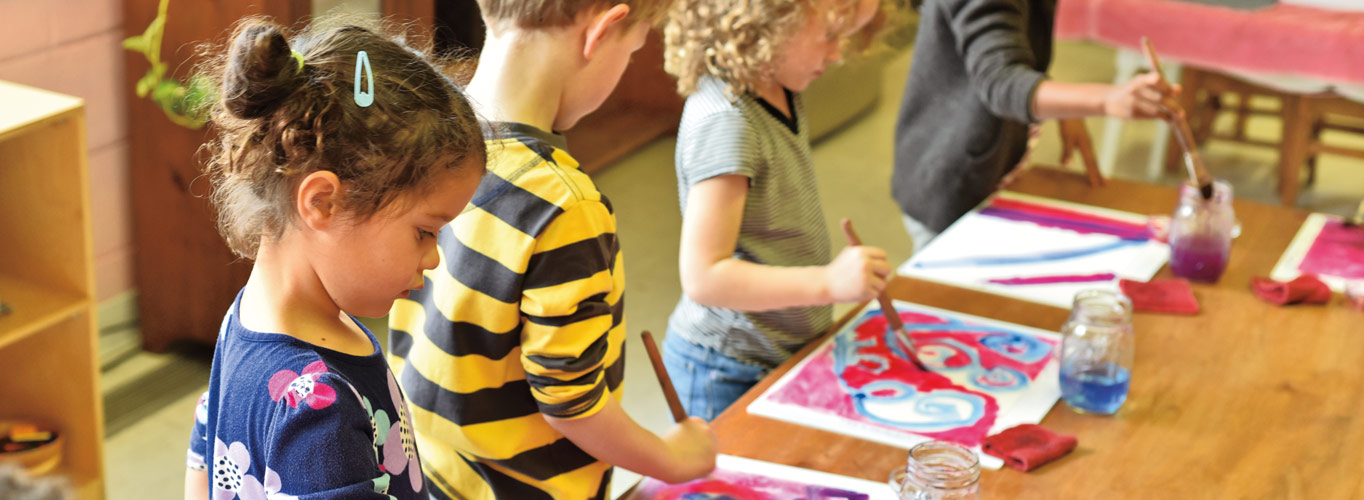
 Entering elementary and middle school, Main Lessons incorporate rich drawings and artistic expression as the children study language arts, math, science, and history. The inclusion of art and the creative impulse into traditional academics helps to engage students and find new and deeper meaning in the content. As a recent article from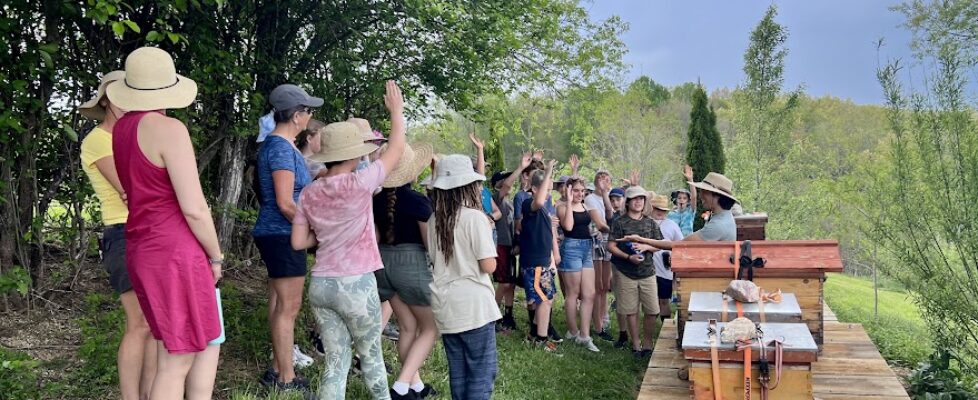
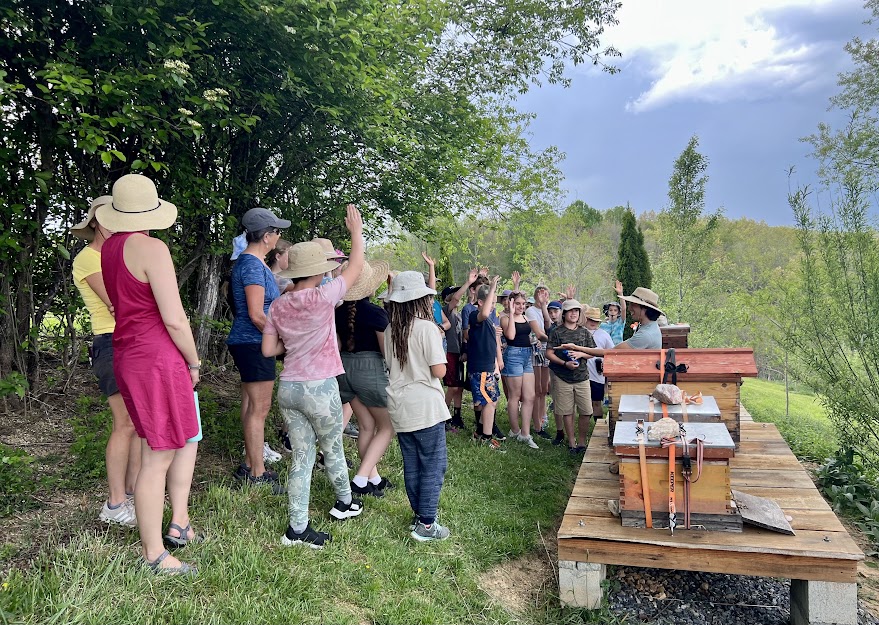
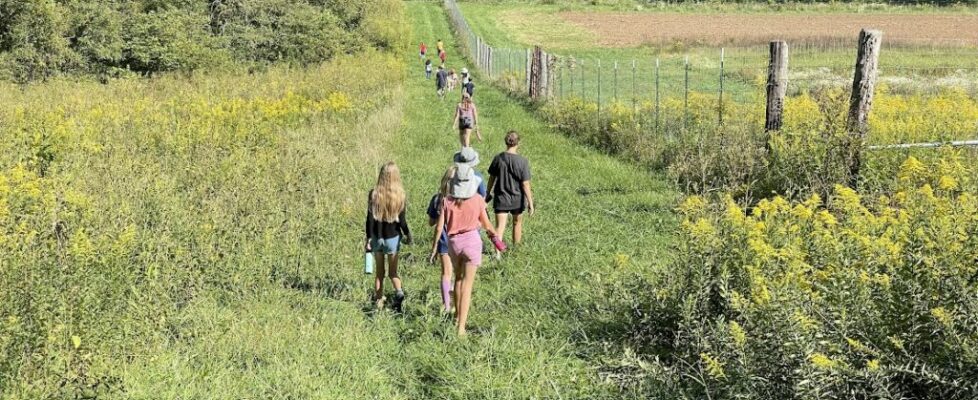
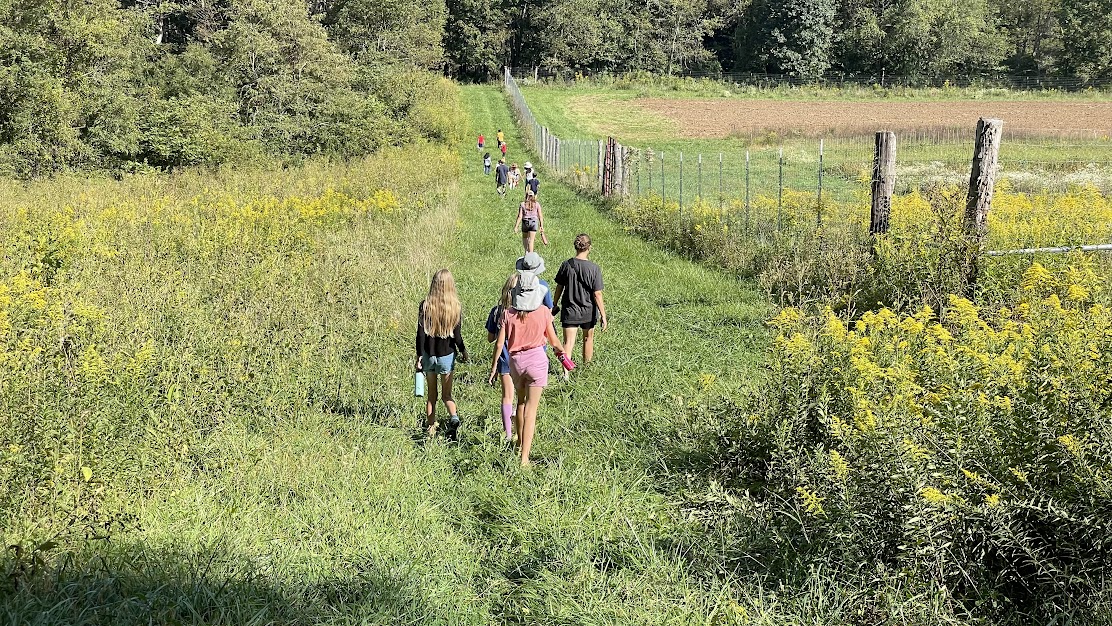
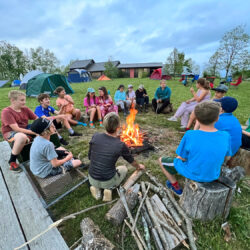 As they move into upper elementary and middle school, students study botany, geology, astronomy, chemistry, physics, and anatomy. Our teachers plan adventurous field trips to the mountains for camping, caving, kayaking, and truly experiencing the natural world as a way to teach and provide a sense of wonder. This translates into stewardship of the earth and a strong sense of environmentalism in Waldorf students. The Waldorf students deeply appreciate the beauty of nature, and as the students progress through adolescence, graduate Richmond Waldorf and move into high school and college, we see that these experiences often bloom into a strong sense to protect and preserve nature, as well as a desire to continue to have outdoor time throughout their adulthood.