The Academics Benefits of…Gardening!
When we think about academic success, we often picture desks, books, and time spent inside the classroom. But what if some of the most meaningful academic learning happens outside—hands in the soil, observing the seasons, tending something over time?
More research is pointing to the powerful impact of gardening and nature-based learning on students—not just for their well-being, but for their academic growth as well. Studies show that school gardening programs can deepen understanding in subjects like math and science, while also improving engagement, behavior, and overall attitude toward school.
At Richmond Waldorf School, this is something we have long known to be true.
Gardening is an integral part of our Waldorf education and experiential curriculum– especially in the 3rd and 5th grades– and a key component of our hands-on learning approach.
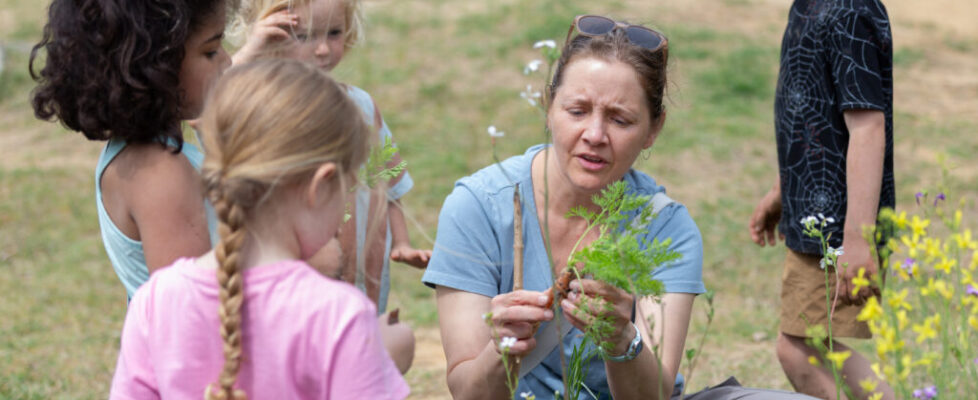
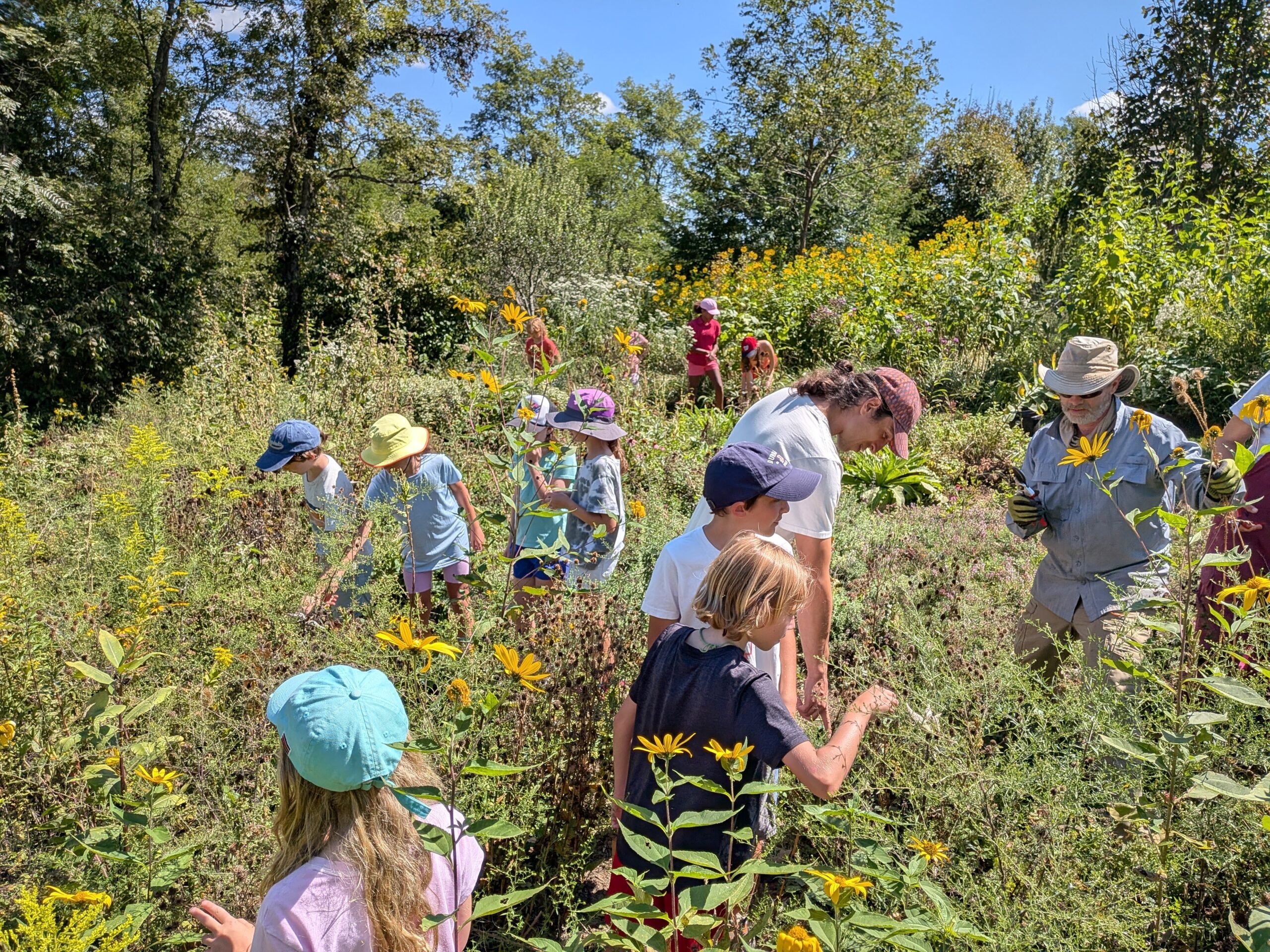
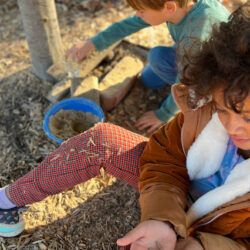
When a child plants a seed, they are not only learning about botany—they are experiencing it. Students are able to observe patterns, measure growth, notice changes in weather, and begin to understand cause and effect in tangible ways. Math and science come alive through real-world application. Even ethics begin to take root, as children experience responsibility, patience, and the interconnectedness of living things.
Just as importantly, gardening invites children into a relationship with the natural world. As a school that values nature-based learning, we believe that connection to the environment is essential to a child’s development. Students begin to notice the subtle shifts of the seasons, to care for something beyond themselves, and to take pride in the work of their hands.
Outdoor Foundational Experiences
You can see this connection to nature woven throughout the Richmond Waldorf School experience.
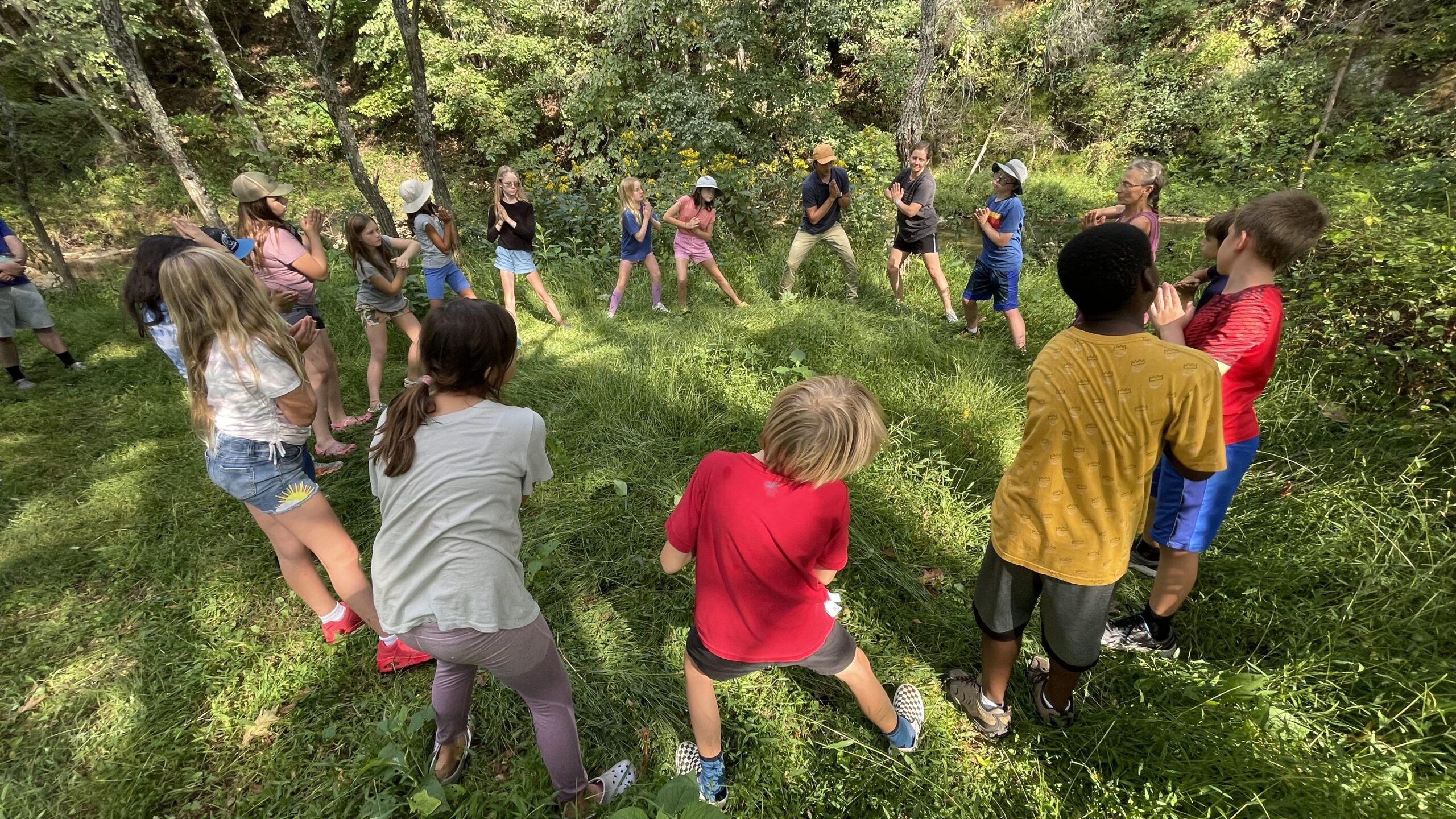
In the early years, our Early Childhood students spend at least 90 minutes outdoors each day, immersed in outdoor play-based learning. As they grow, that relationship deepens—through gardening, seasonal studies, and foundational field trips.
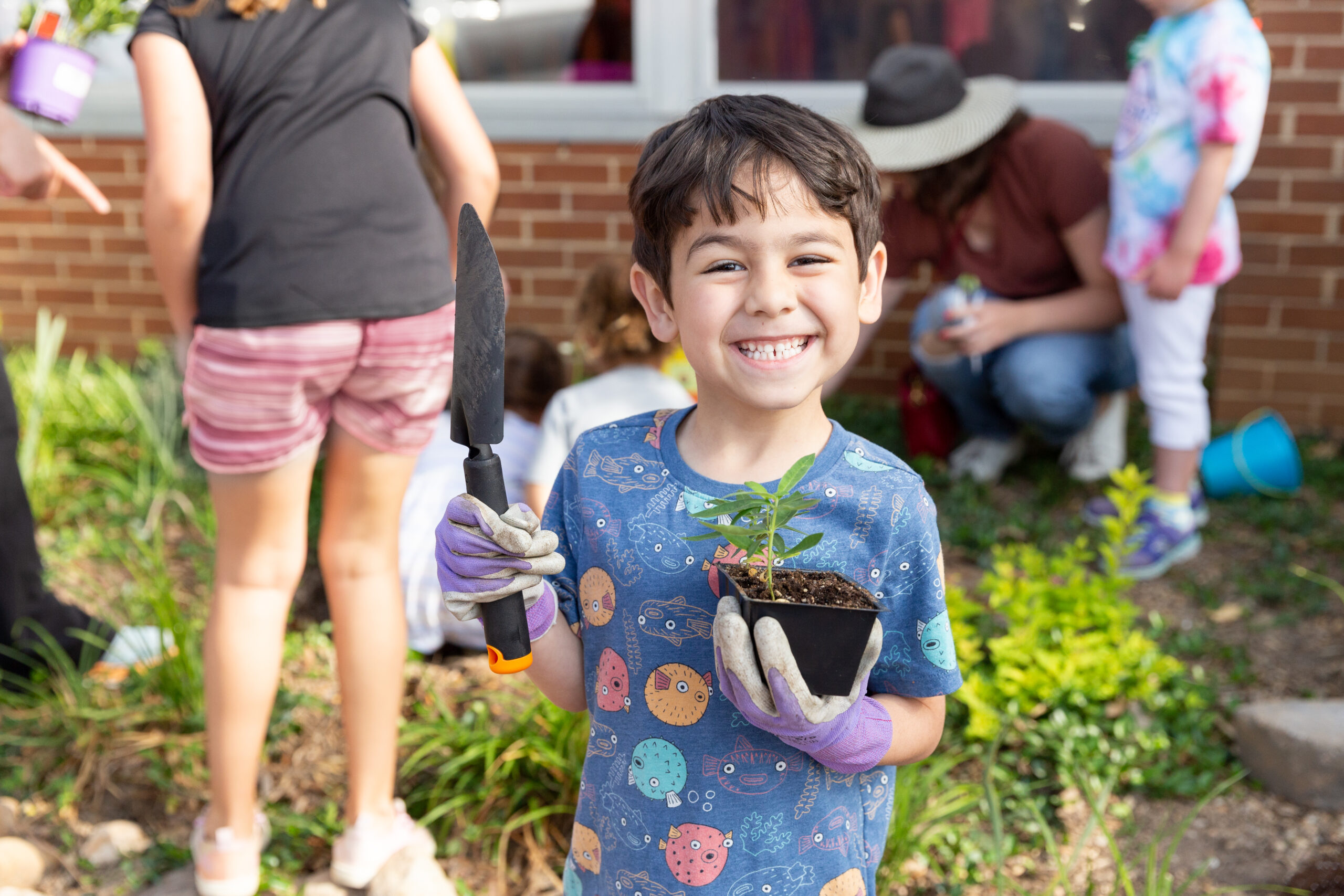
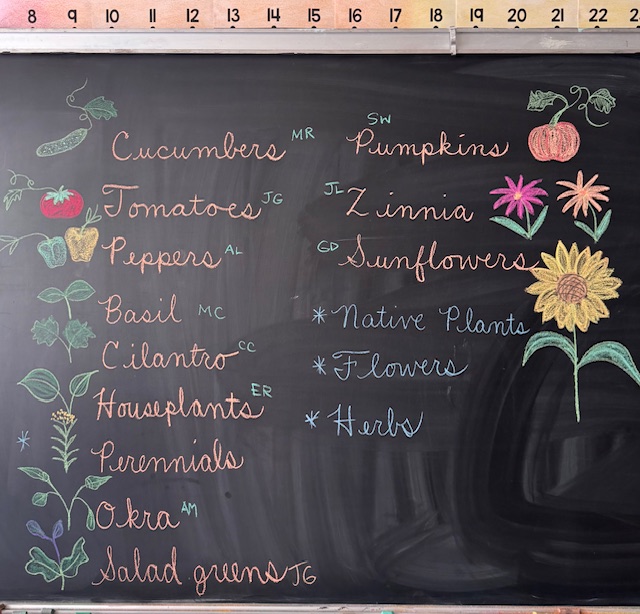
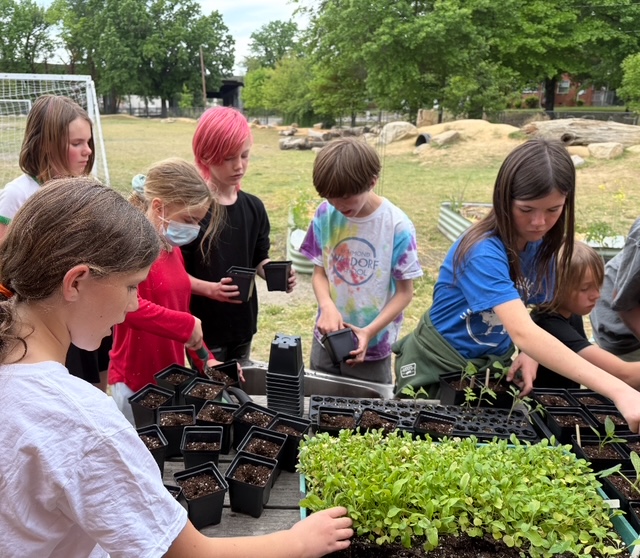
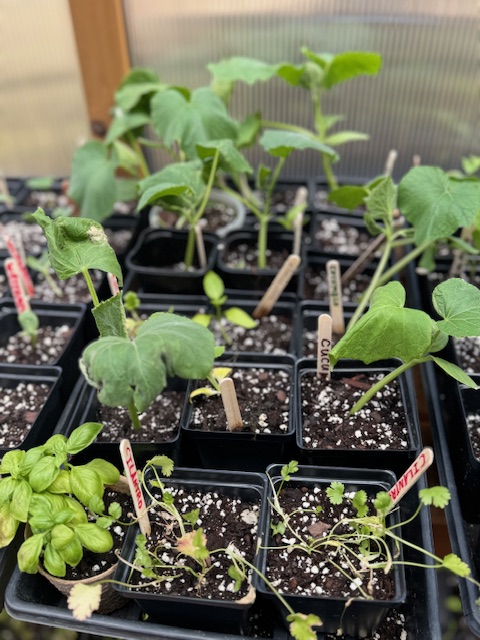
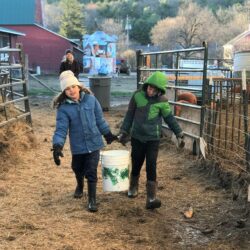
Our campus garden beds– including a greenhouse installed in 2025 through a grant from the Whole Kids Foundation- are a part of our curriculum and tended to by Early Childhood through the Grades. In third grade, students study farming and have a weekly Gardening class. They take trips to Shalom Farms, our Northside Richmond neighbors, where they plant seedlings and care for the garden. And in the spring, the class takes a four night/five day field trip to Hawthorne Valley Farm in Ghent, NY for a truly immersive experiential learning opportunity at a working farm, connecting directly to the rhythms of the land. In fifth grade, students study botany in a hands-on way, observing plants in their natural environments. Their trip to Spikenard Bee Sanctuary in Floyd, Virginia is another milestone experience for the students, where they can see botany and the ecosystem in action.
Across the grades, students engage with nature not as a subject, but as a teacher. And families can see in their students how this approach to holistic education shapes not just what children know, but who they are becoming.
In a world that often moves quickly and values immediate results, gardening teaches something different. It teaches patience and care, and that meaningful growth takes time.
And perhaps most importantly, it reminds us that when children are given the opportunity to engage deeply—with their environment, their work, and their community they don’t just learn more, they love learning more.
Learn More
If you are curious about how this approach looks in real classrooms, we would love to welcome you to Richmond Waldorf School. The best way to understand our approach is to experience it — to visit, observe, and see how children learn here with their heads, their hearts, and their hands.
Schedule a tour or connect with our Enrollment Director, Alexandra Mazeres, to learn more about Richmond Waldorf School. Click on our “Visit Us” page to sign up for a tour or call us at 804-377-8024 ext 3.
Plant Sale at May Faire: May 2!
Join us at May Faire on Saturday, May 2 from 11 am to 2 pm for the 3rd and 5th grade led Plant Sale! For more information, visit www.richmondwaldorf.com/may-faire

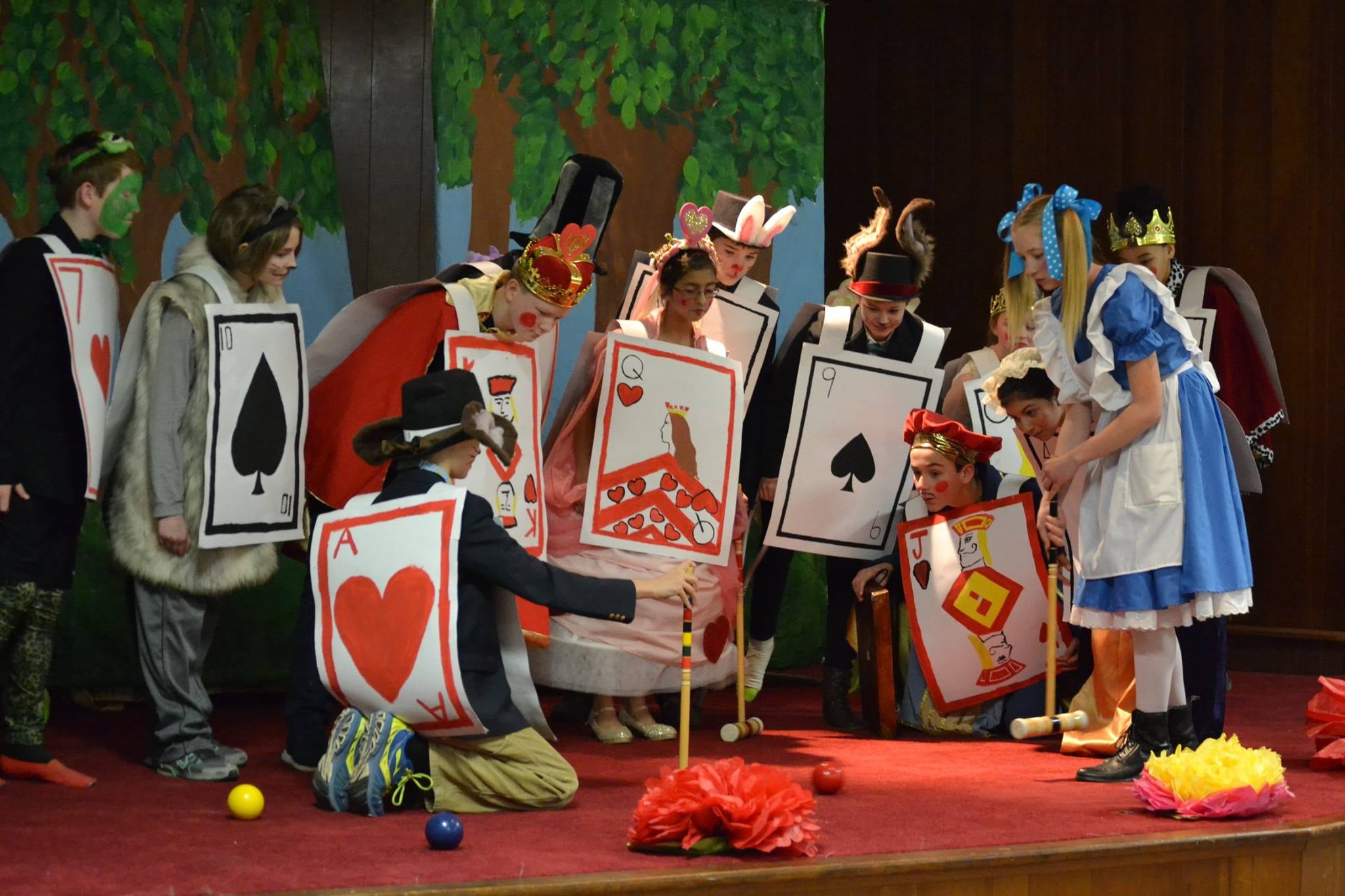
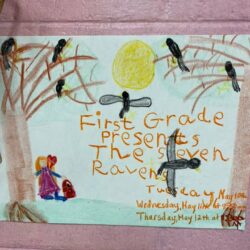 In Waldorf schools, each grade does a play every year, and the theme of the play is often inspired by the curriculum. We give time and space for these performances and experiences because we recognize that participating in theater gives students confidence. As research supports, students who participate in theater during their formative school years reap more specific benefits as well. It gives children an opportunity to face and overcome anxiety, allows them to express new emotions, and can be an enormous boost to their self-esteem. As we see a child or a class grow over the years, it is truly impressive to watch the transformation and capacity-building happen in real time.
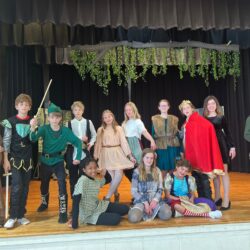 Feeling worried or anxious before even a small public speaking engagement is something most adults still struggle with. Children experience these feelings as well prior to a performance, but by giving them access to that uncomfortable feeling on a regular basis through theater, and teaching them skills to overcome it, can have a lasting effect on students. RWS creates these opportunities for discomfort and growth on a daily and weekly basis, as well as the annual play performance. During our Friday Gatherings, each class takes turns sharing things they are working on it class, be it a poem, a dance, a song, or even reports they’ve written. These opportunities to stand up in front of their peers can be nerve wracking and also teach important lessons. After a performance in which a child has overcome that feeling of anxiety, they will feel increasingly confident that they can feel an uncomfortable feeling and still move forward and be successful. What a great life lesson!
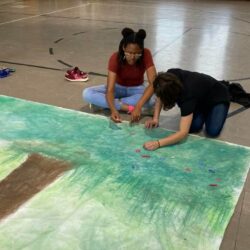 entirely new persona, and potentially express emotions that they aren’t able to in their normal lives. A child who isn’t able to express a certain emotion, might be able to when in character, or it may open the door for parents and students to have a more open conversation about sensitive subjects that the child is experiencing through their theater opportunity. We know that these experiences are outlets for students to practice and process feelings, develop empathy, and open up conversations. The teachers can use those moments as opportunities to drive a point home.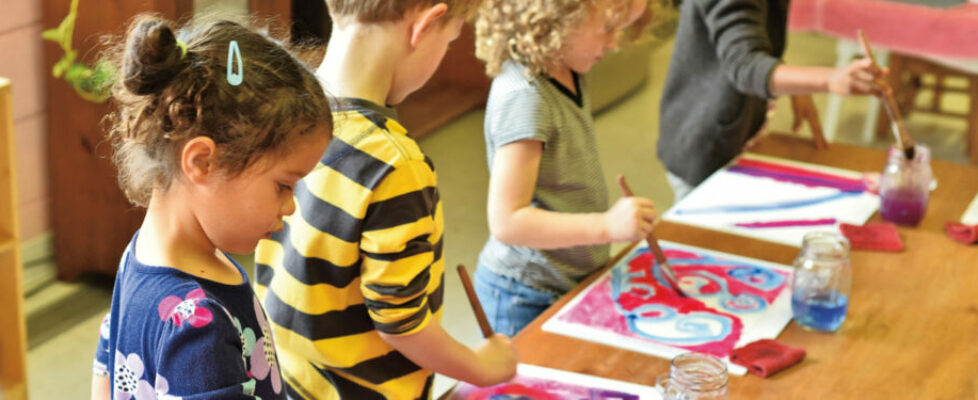
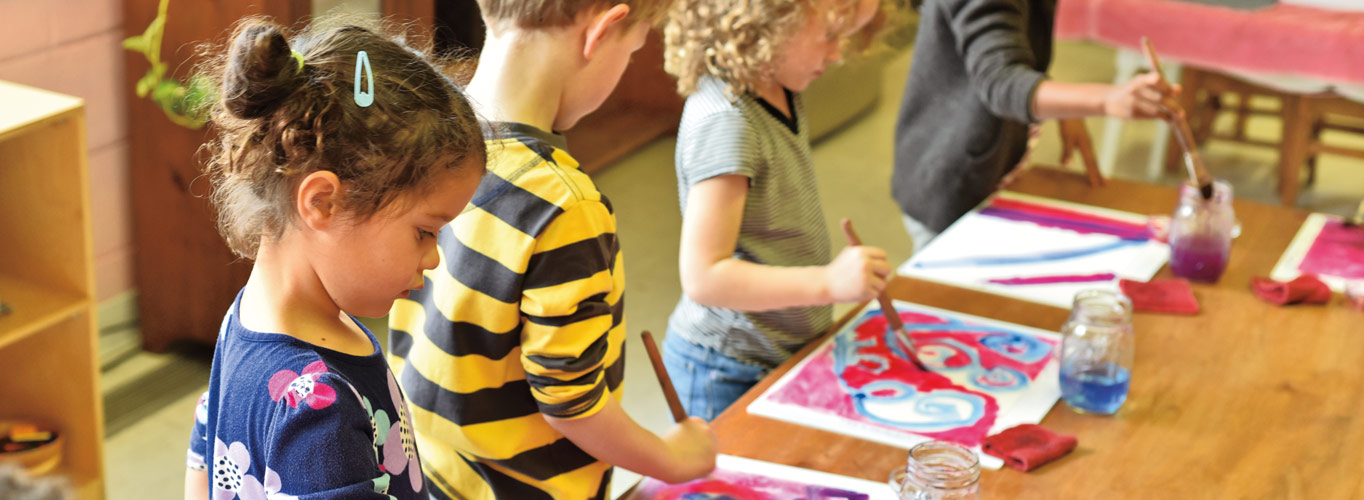
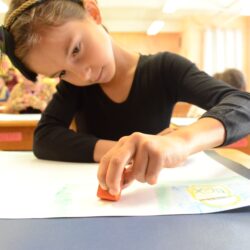 Entering elementary and middle school, Main Lessons incorporate rich drawings and artistic expression as the children study language arts, math, science, and history. The inclusion of art and the creative impulse into traditional academics helps to engage students and find new and deeper meaning in the content. As a recent article from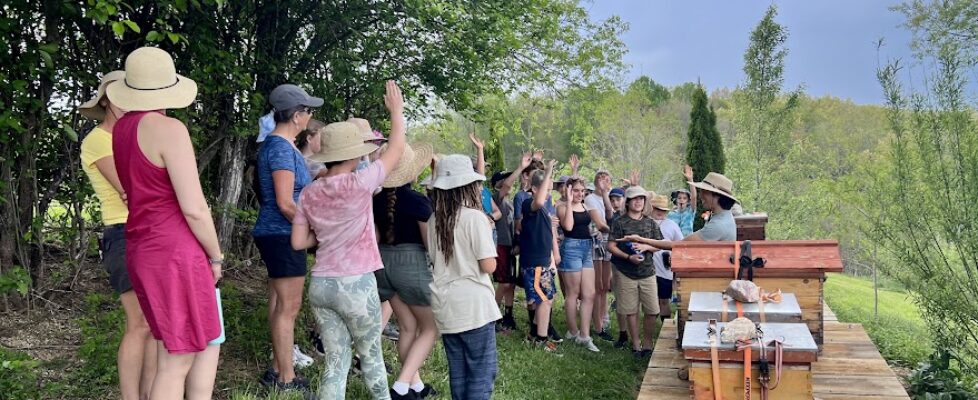
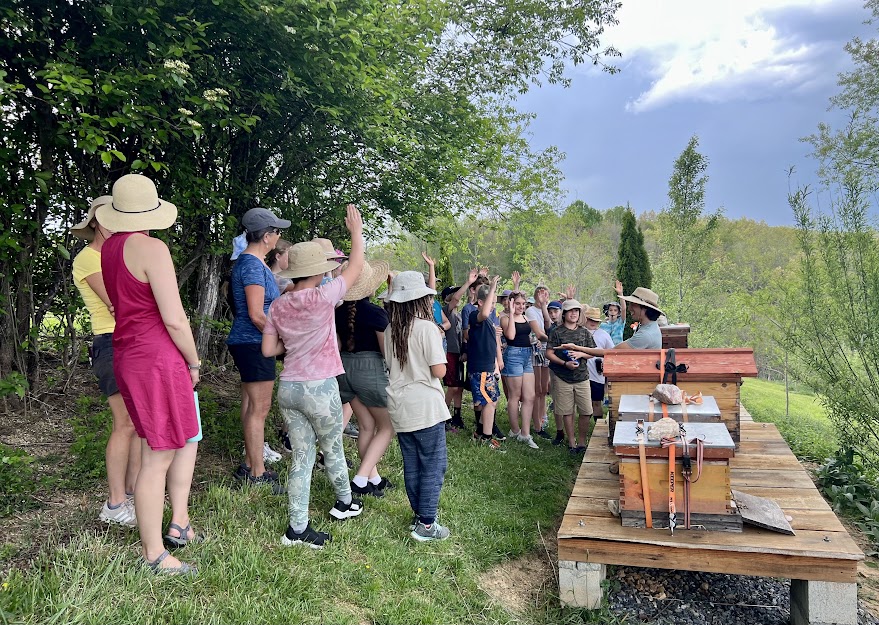
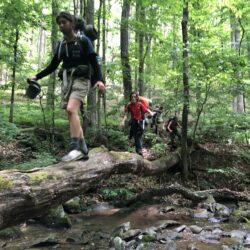
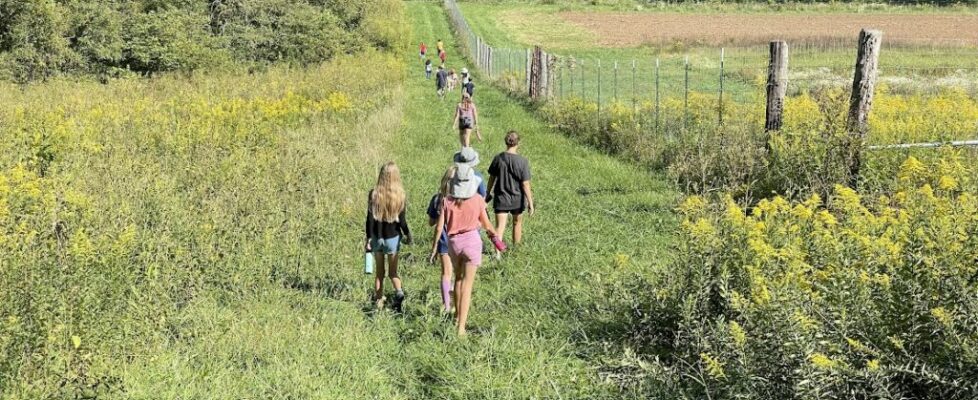
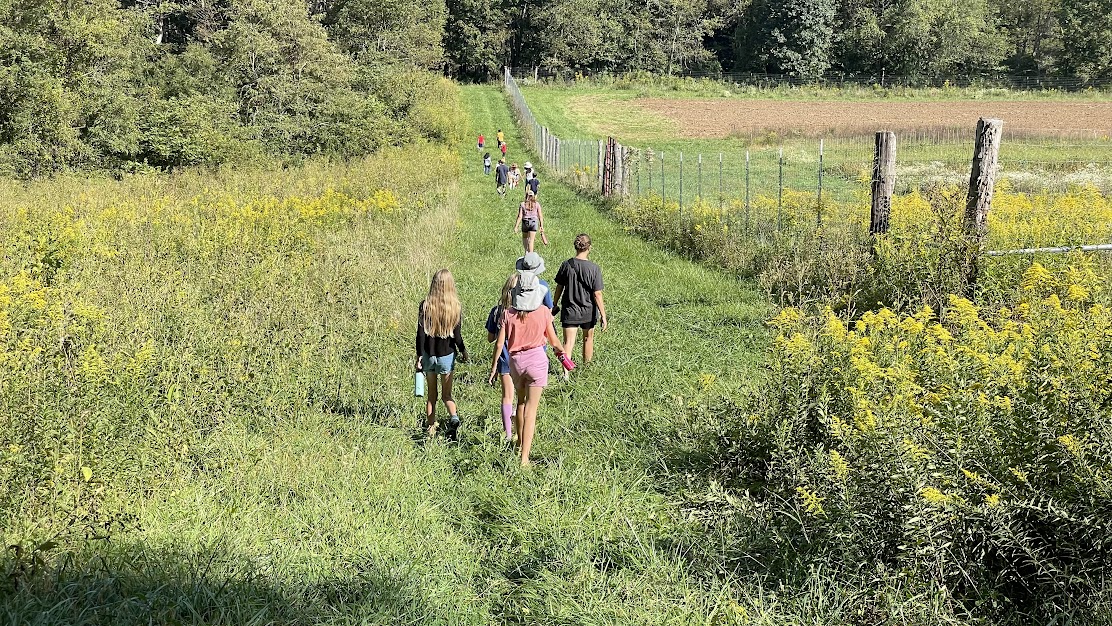
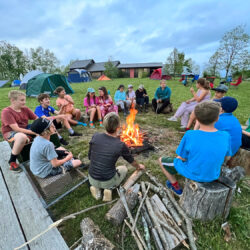 As they move into upper elementary and middle school, students study botany, geology, astronomy, chemistry, physics, and anatomy. Our teachers plan adventurous field trips to the mountains for camping, caving, kayaking, and truly experiencing the natural world as a way to teach and provide a sense of wonder. This translates into stewardship of the earth and a strong sense of environmentalism in Waldorf students. The Waldorf students deeply appreciate the beauty of nature, and as the students progress through adolescence, graduate Richmond Waldorf and move into high school and college, we see that these experiences often bloom into a strong sense to protect and preserve nature, as well as a desire to continue to have outdoor time throughout their adulthood.