Waldorf Education in the Age of AI
How would you design an education system that helps students flourish in the face of changes to the nature of work, brought on by Artificial Intelligence (AI)? The rise of ChatGPT and other AI large-language models have brought this question to the forefront of parents and educators’ minds. Waldorf education is uniquely focused on developing children’s creativity, cultural competency, imagination, and original thinking. We believe that we set our students up for future success by teaching students how to articulate their own diverse viewpoints and understanding of the material. In a future where AI-generated content relies on recombining existing work, our graduates’ abilities to think critically, divergently, and creatively will serve them well.
It’s no question that the rise in AI is creating all sorts of opportunities and pitfalls to navigate. The use of AI is increasing as people find ways to work more efficiently and multi-task at a greater level. We’re also starting to see how AI can hinder the education process as teachers consider how to mitigate plagiarism and ensure students are sharing their own voice and ideas in assignments, essays, etc. We know that over the next several years, the development of AI will continue to grow, as will the challenges and risks that surround this new technology.
Last December, the Atlantic magazine published the article “ChatGPT Is Dumber Than You Think”. Within this, they reflect that AI sites such as ChatGPT “lack the ability to truly understand the complexity of human language and conversation. It is simply trained to generate words based on a given input, but it does not have the ability to truly comprehend the meaning behind those words.” They further argue that “the ability to connect with others is a fundamental aspect of being human,” and consider whether we might be losing essential human connection as we lean more and more into the world of AI.
What does a future run by AI look like? We do not know. What we do know is that the future generation of workers will be facing new challenges, with new technologies, and a world that we cannot predict. Waldorf is a system of education that directly challenges AI. With strong emotional intelligence, resourcefulness, and an ability to connect with others, Waldorf students have the tools they need to learn new skills, overcome uncertainties with self-sufficiency, and possess an inclusive mindset that will help them find a meaningful, purposeful life. Waldorf grads pursue diverse careers, and maintain a rich extracurricular life with hobbies and meaningful activities in and outside of their work life.
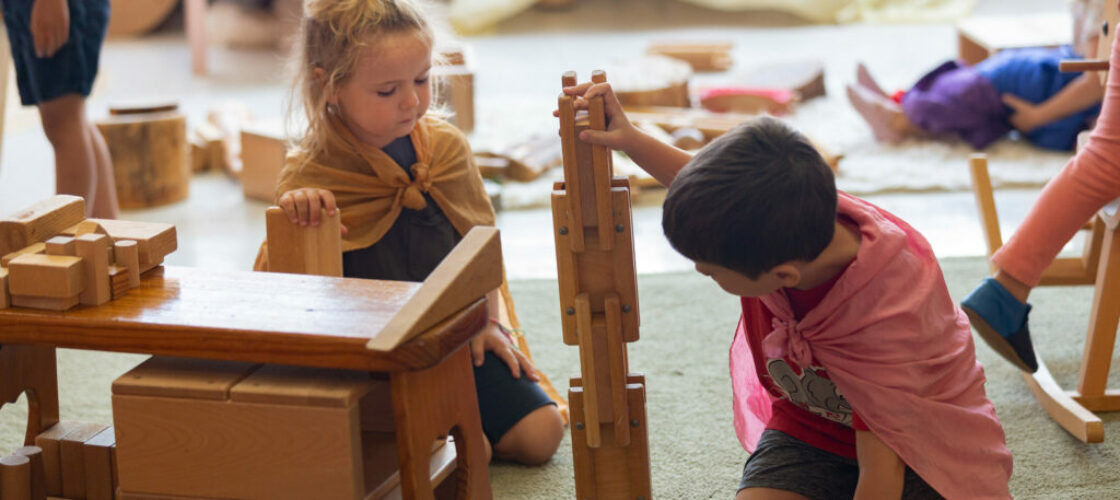
Waldorf and the Human Experience
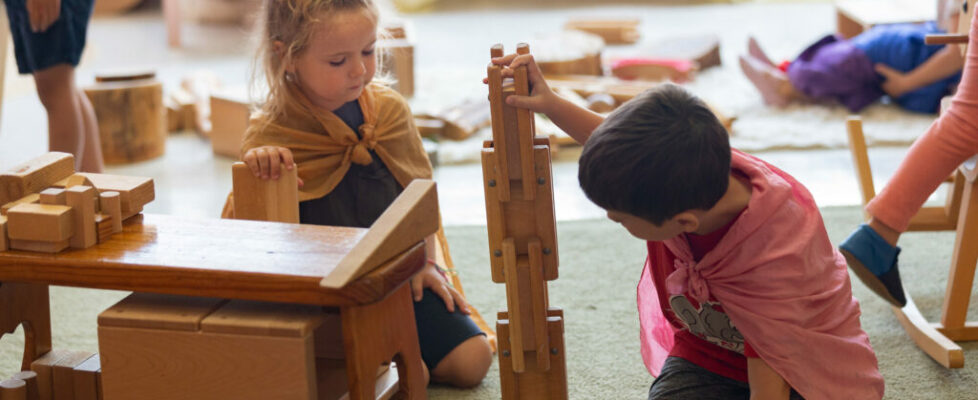
Waldorf education is known for our emphasis on relationships, practical arts, and a creative, experiential approach to learning. Going deeper than this, when the first Waldorf school was created in 1919, the initial impulse was to create a new way of learning that would enable a new way of connection amongst humans of different backgrounds and abilities. This ideal continues to evolve today, as we consider how the human spirit is a vehicle for change. Waldorf education is a living model, encouraging freedom of teachers to consider how to prepare their students to fulfill their potential and find meaning in their lives. Rudolph Steiner said that the work of educators is to “Receive the children in reverence, educate them in love, and send them forth in freedom.”
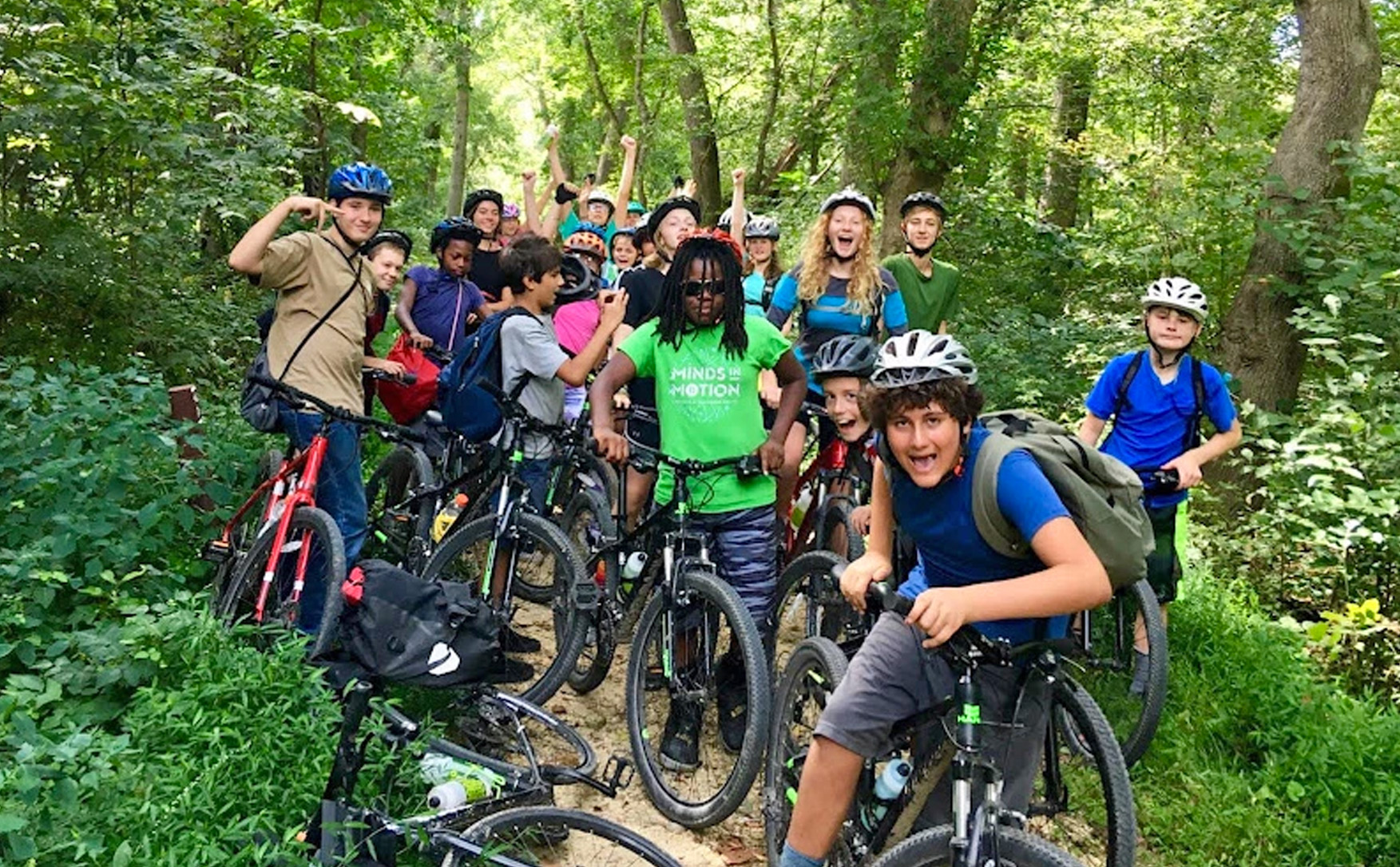
We believe that our job as educators is to awaken social responsibility, service to community, and stewardship of the earth. We do this through a developmentally appropriate curriculum and through teacher development that encourages human connection, long term relationships, and by modeling honest striving in the world to the students. Waldorf teachers understand that lessons that encourage sensory integration, play, time in nature, and the arts deepen students’ experiences and help them to reach their full potential. By offering unique lessons such as handwork, form drawing, biking, and world languages, students at Richmond Waldorf School are immersed in the world around them and learn how to navigate all sorts of relationships. This type of education is essential, especially in a modern world of ever-evolving technology that brings information and humanity to our fingers, yet leaves society feeling increasingly disconnected and lonely.
Preparing Future Leaders
Human experience is paramount to Waldorf education. In a world of Artificial Intelligence, Waldorf educators hold firm that hands-on, relationship-based learning encourages free thinking which is essential for a society that is peaceful, productive, and purposeful. We thoughtfully consider when and how technology and media should be brought into the classroom, and bring a classical approach to teaching that uses more traditional resources and methods.
As educators, we feel it is imperative to bring forth the next generation of adults in a way that teaches them about who they are and how they can contribute to society in meaningful ways. Every aspect of our curriculum – from the play-based preschool programming to the robust laboratory sciences and adventurous field trips – instills the mindset in students that they can make a difference. Every student and every person has a voice, a perspective, a talent, and a calling for a life full of meaning and purpose. At Richmond Waldorf school, we embrace every opportunity to develop curious, confident, and capable individuals who can bring forth healthy change in the world.

Want to Learn More?
We would love for you to explore the Waldorf approach! Sign up for a tour, or watch our school video where students talk about life at Richmond Waldorf School. Get to know us and see if RWS is right for your child.
At Richmond Waldorf School, we recognize that our student’s physical, social and emotional well-being are a key part of their ability to learn and thrive. We look forward to meeting you and sharing more information about Waldorf education.
Valerie Hogan
Enrollment & Marketing Administrator
| 804-377-8024 ext 3
Richmond Waldorf School is a non-profit, private school in Richmond, Virginia offering Waldorf education for grades Pre-K – 8th grade.


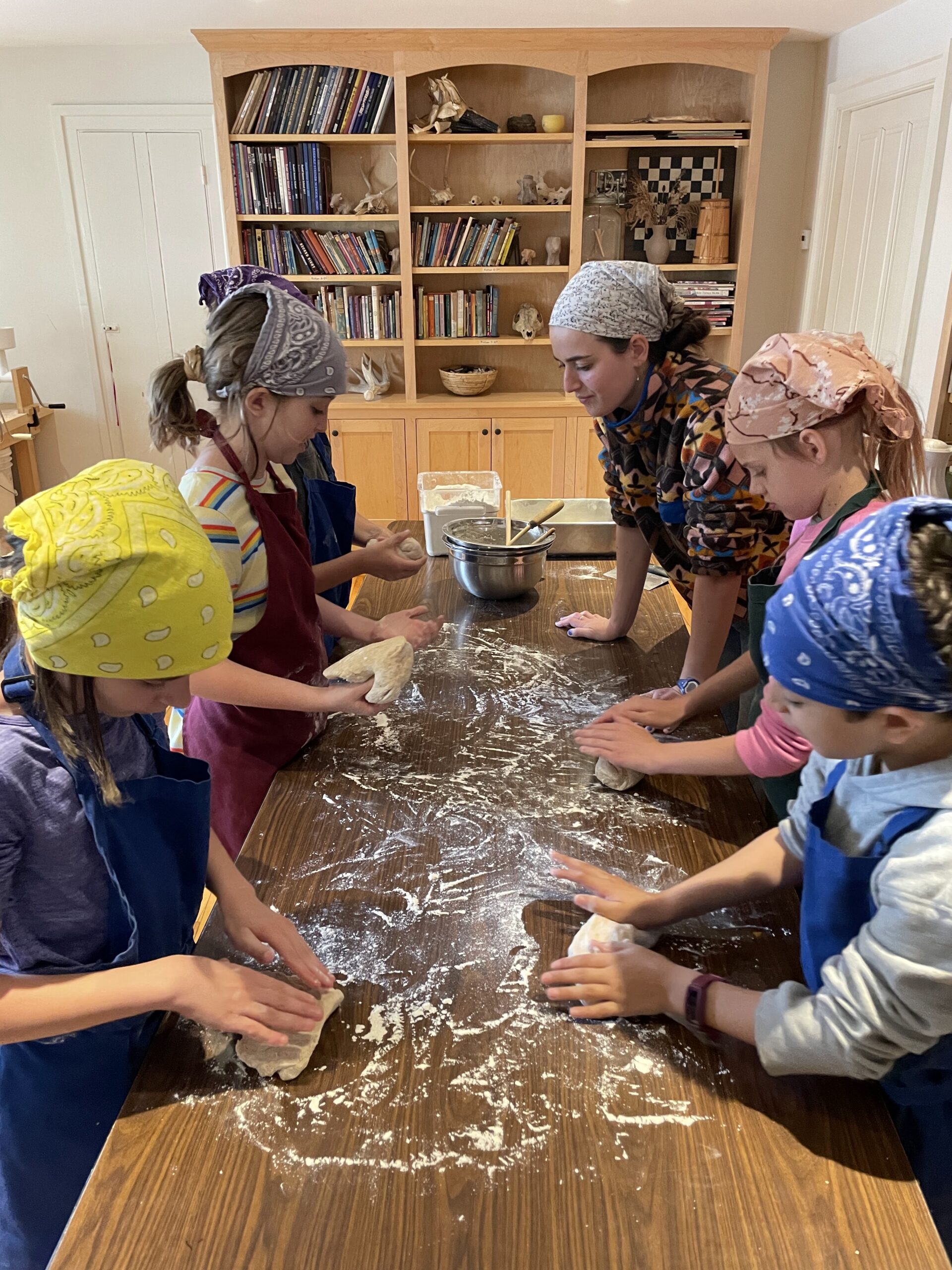
 The developmental phase that third graders experience is called the “nine year change” and p



 By Al Daniel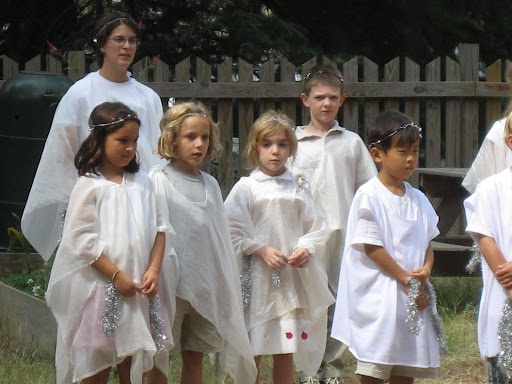
 The premise of a Waldorf education is to
  In the loving, safe environment of a Waldorf school, with long-term teachers who know them well, students can be pushed to their own individual limits, they can learn to rely on one another, and trust themselves.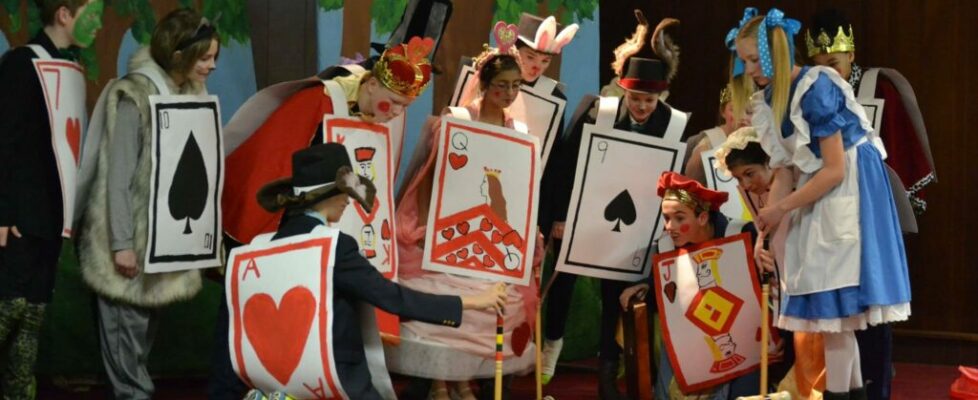
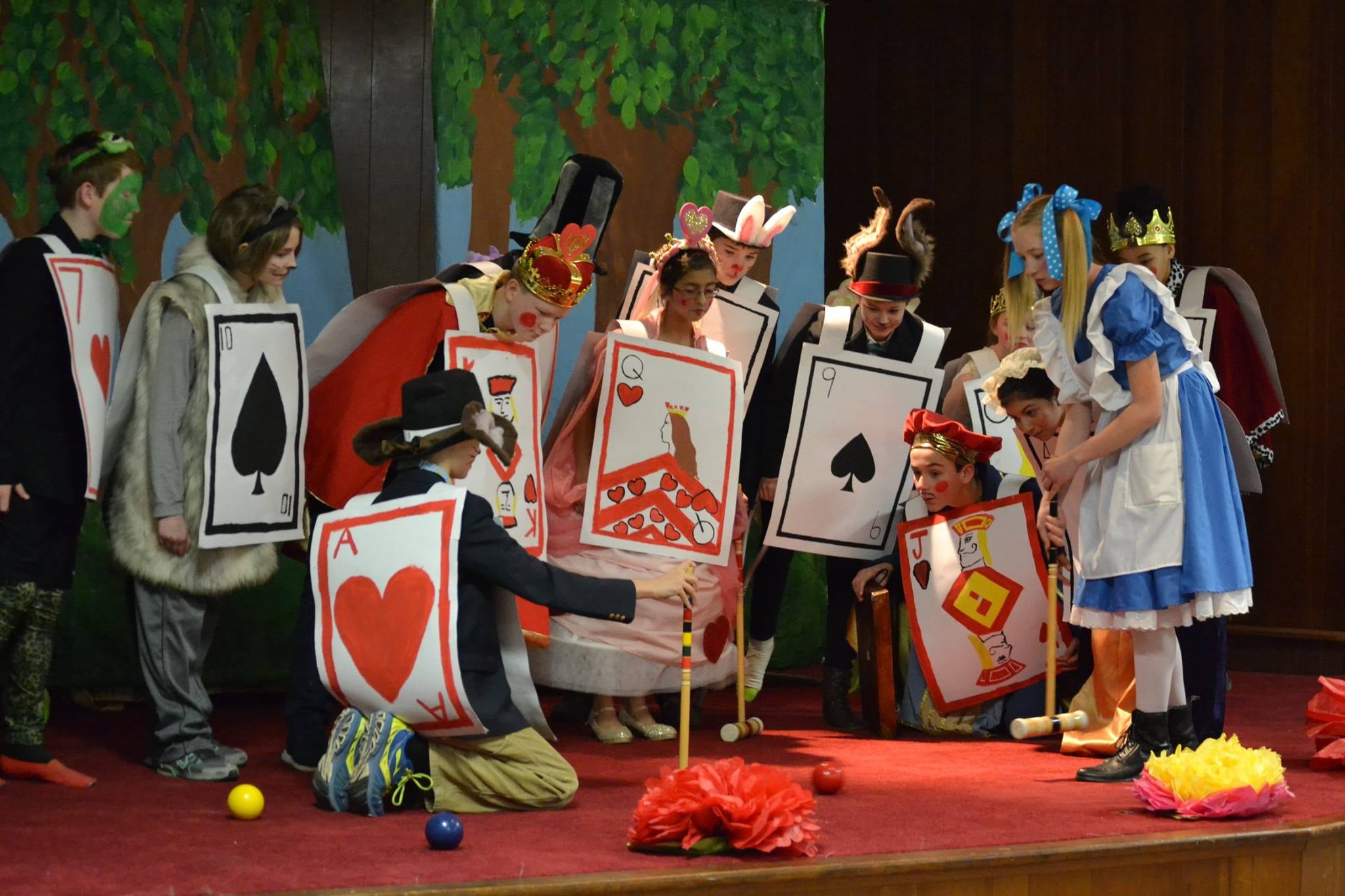
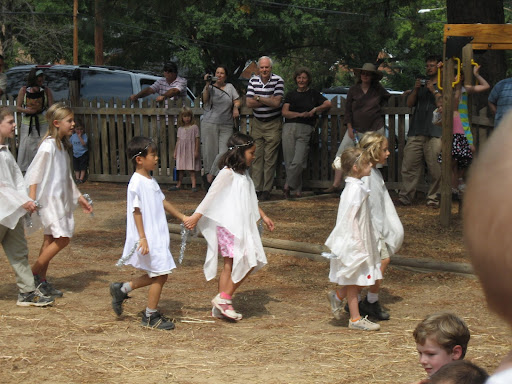
 In Waldorf schools, each grade does a play every year, and the theme of the play is often inspired by the curriculum. We give time and space for these performances and experiences because we recognize that participating in theater gives students confidence. As research supports, students who participate in theater during their formative school years reap more specific benefits as well. It gives children an opportunity to face and overcome anxiety, allows them to express new emotions, and can be an enormous boost to their self-esteem. As we see a child or a class grow over the years, it is truly impressive to watch the transformation and capacity-building happen in real time.
 Feeling worried or anxious before even a small public speaking engagement is something most adults still struggle with. Children experience these feelings as well prior to a performance, but by giving them access to that uncomfortable feeling on a regular basis through theater, and teaching them skills to overcome it, can have a lasting effect on students. RWS creates these opportunities for discomfort and growth on a daily and weekly basis, as well as the annual play performance. During our Friday Gatherings, each class takes turns sharing things they are working on it class, be it a poem, a dance, a song, or even reports they’ve written. These opportunities to stand up in front of their peers can be nerve wracking and also teach important lessons. After a performance in which a child has overcome that feeling of anxiety, they will feel increasingly confident that they can feel an uncomfortable feeling and still move forward and be successful. What a great life lesson!
 entirely new persona, and potentially express emotions that they aren’t able to in their normal lives. A child who isn’t able to express a certain emotion, might be able to when in character, or it may open the door for parents and students to have a more open conversation about sensitive subjects that the child is experiencing through their theater opportunity. We know that these experiences are outlets for students to practice and process feelings, develop empathy, and open up conversations. The teachers can use those moments as opportunities to drive a point home.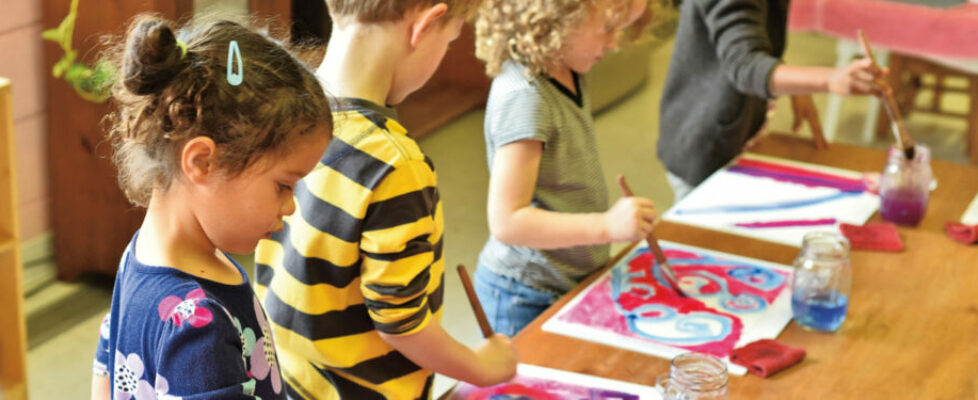
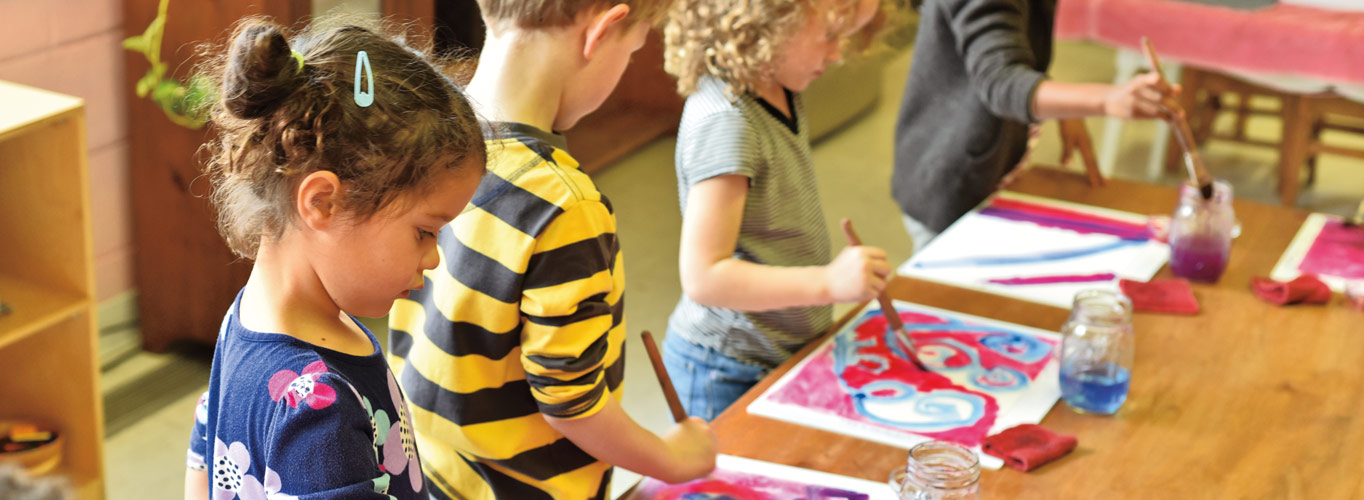
 Entering elementary and middle school, Main Lessons incorporate rich drawings and artistic expression as the children study language arts, math, science, and history. The inclusion of art and the creative impulse into traditional academics helps to engage students and find new and deeper meaning in the content. As a recent article from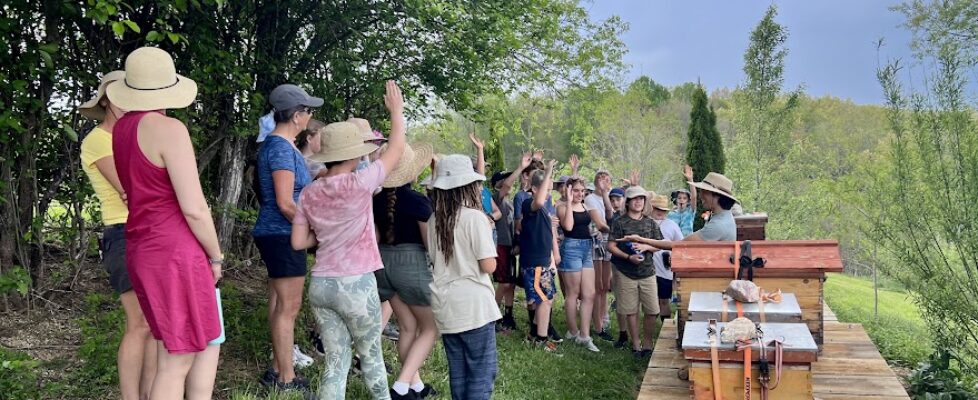
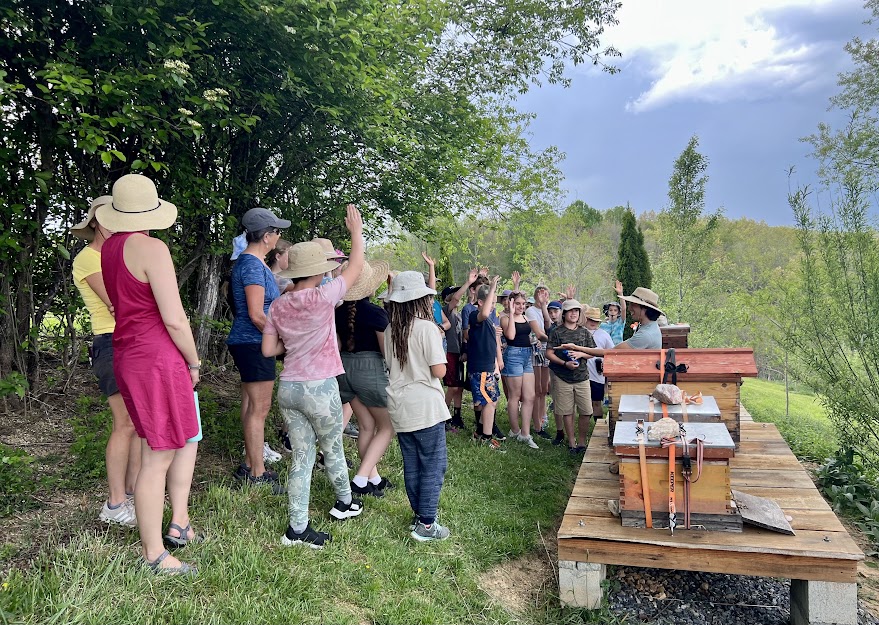
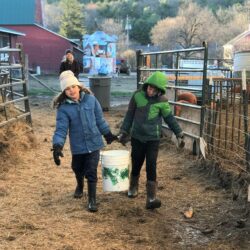
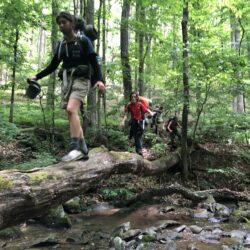
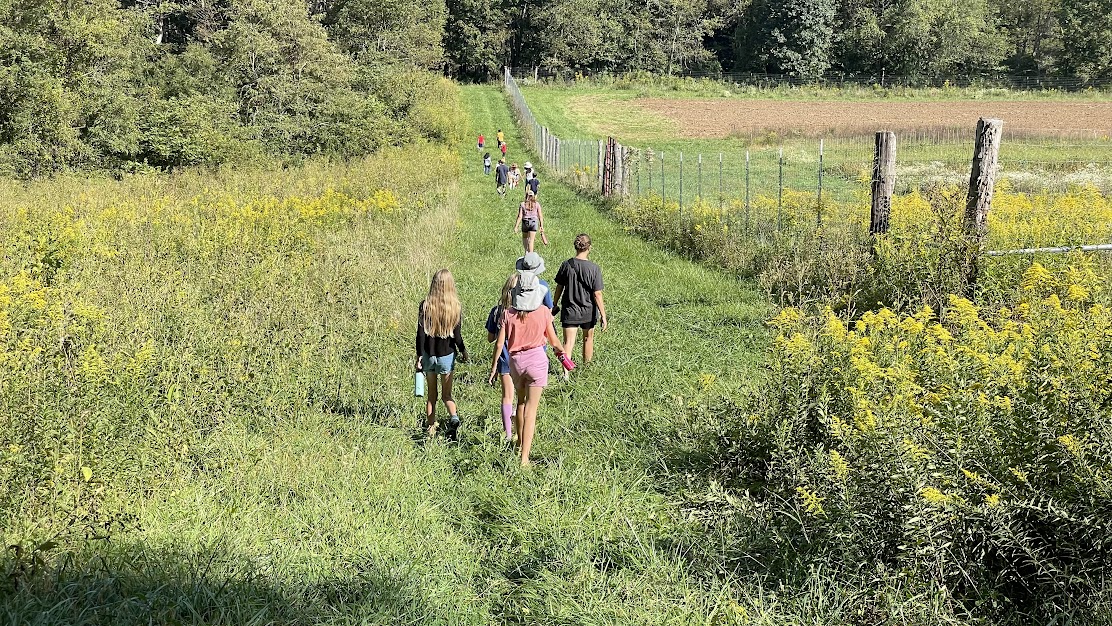
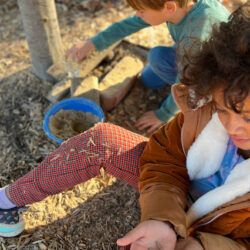
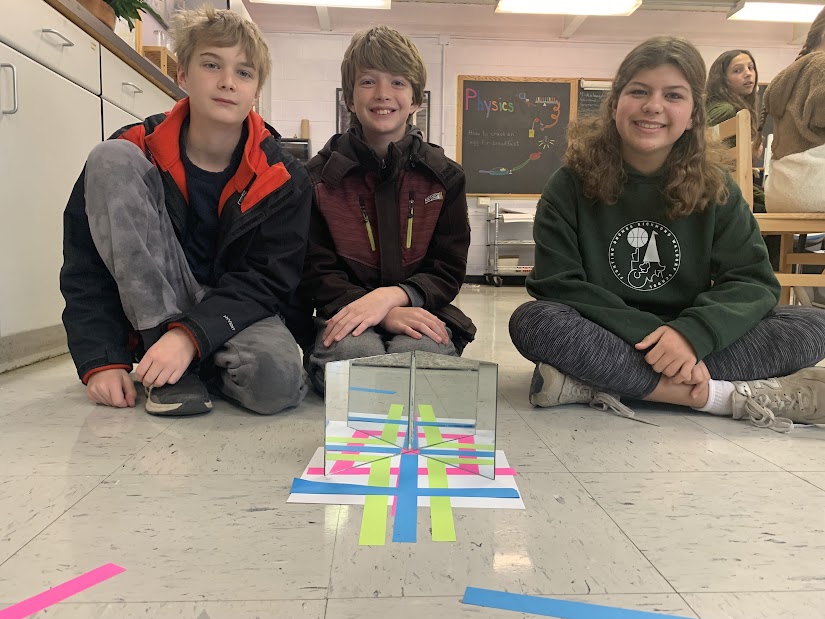
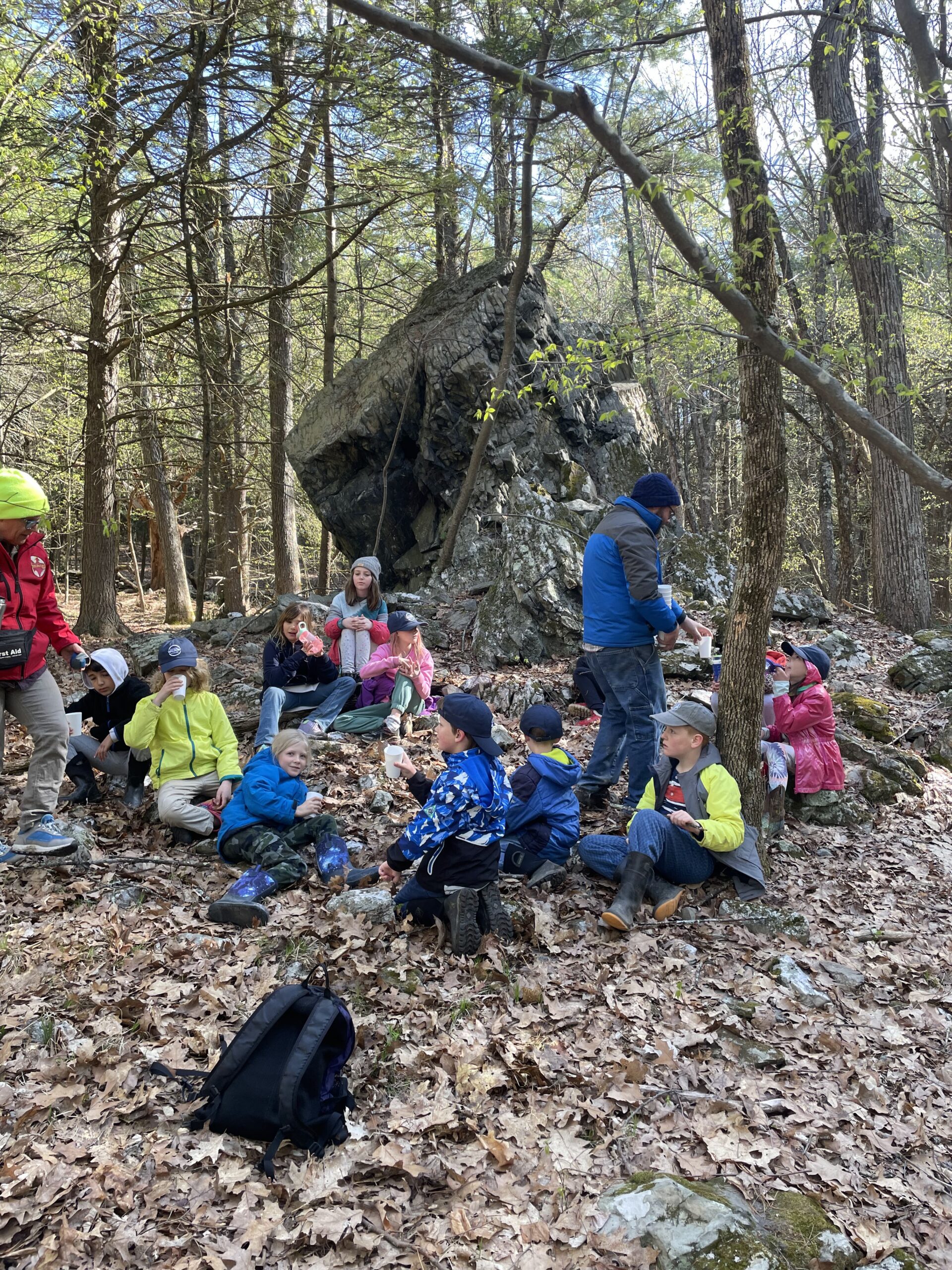
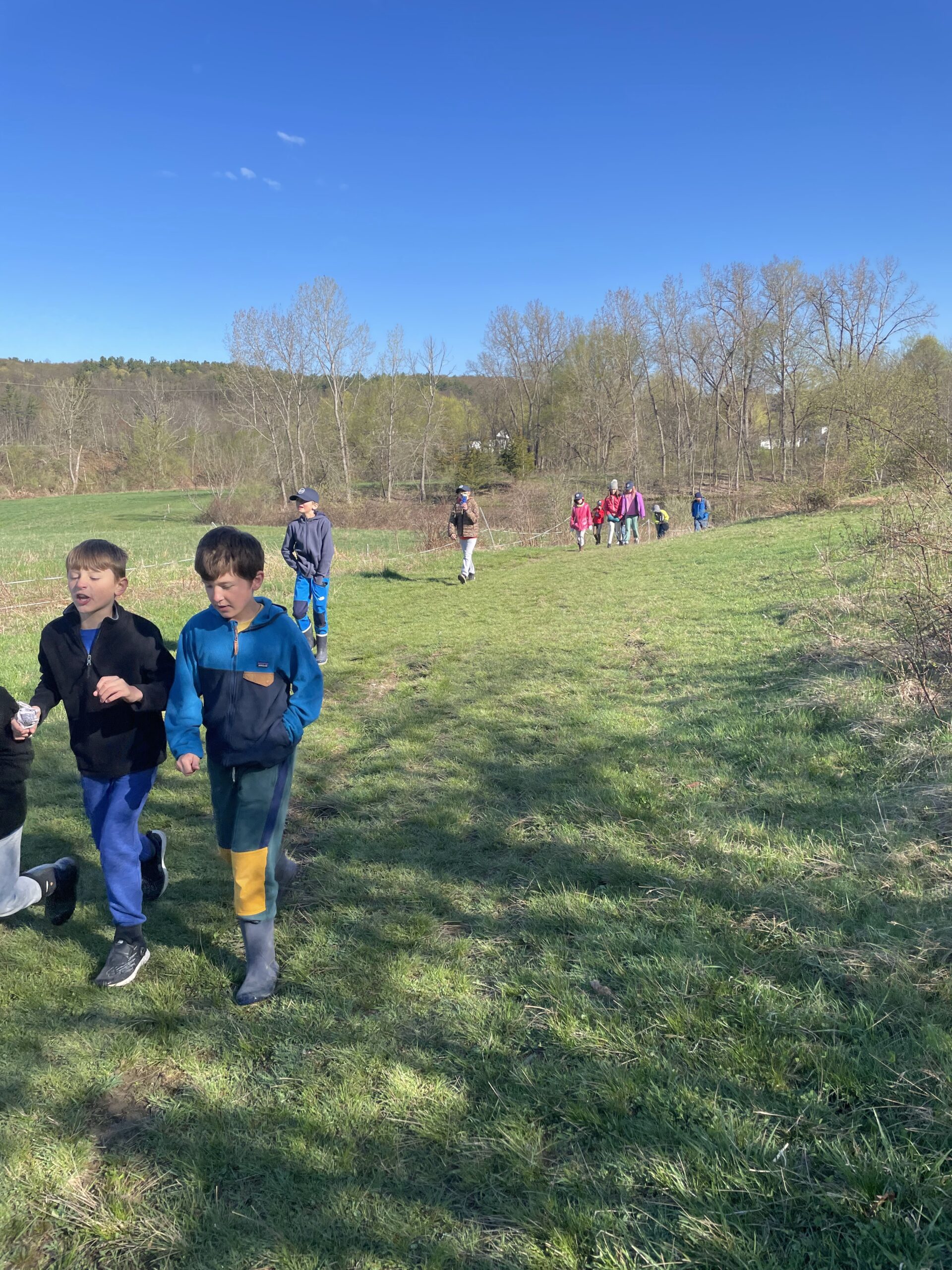
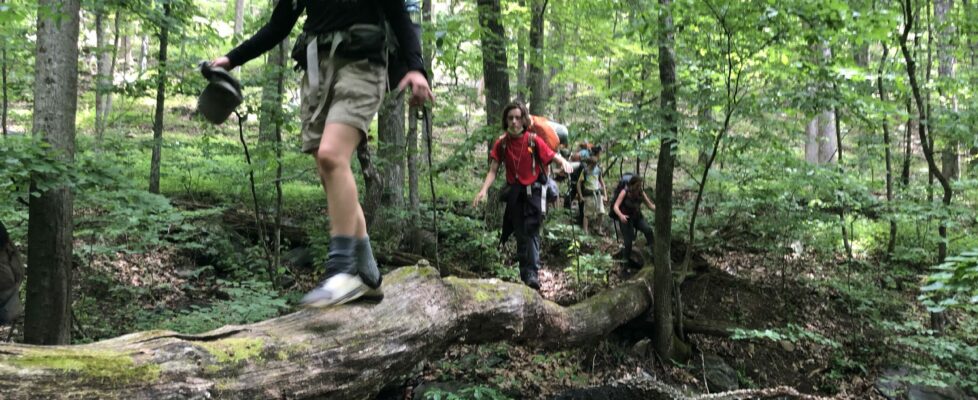
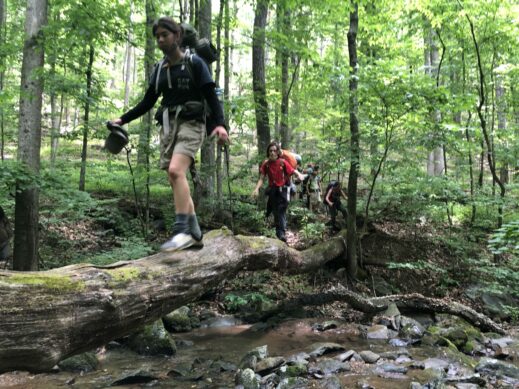
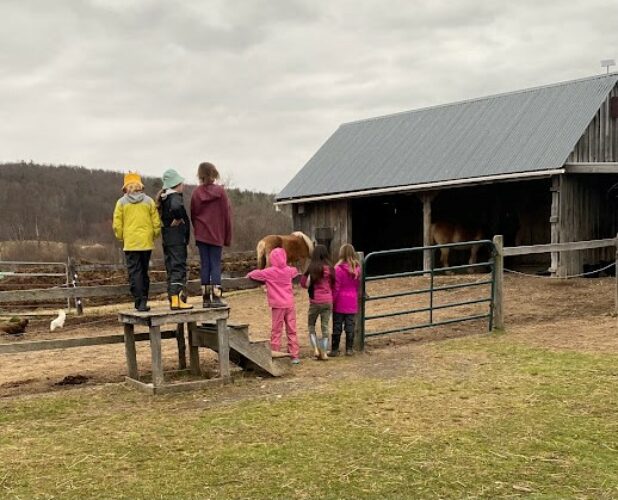
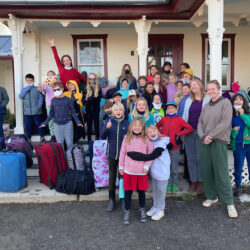
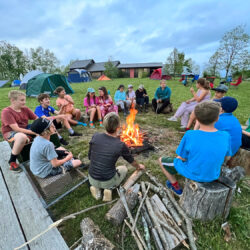 As they move into upper elementary and middle school, students study botany, geology, astronomy, chemistry, physics, and anatomy. Our teachers plan adventurous field trips to the mountains for camping, caving, kayaking, and truly experiencing the natural world as a way to teach and provide a sense of wonder. This translates into stewardship of the earth and a strong sense of environmentalism in Waldorf students. The Waldorf students deeply appreciate the beauty of nature, and as the students progress through adolescence, graduate Richmond Waldorf and move into high school and college, we see that these experiences often bloom into a strong sense to protect and preserve nature, as well as a desire to continue to have outdoor time throughout their adulthood.