Waldorf Education: A Thoughtful Approach to Homework
Meaningful, Age-appropriate, Connected
Too often, homework becomes meaningless busywork that stresses and overwhelms students and their families, crushes creativity, and has little impact on children’s future success. In Waldorf education, we take a thoughtful, age-appropriate, and balanced approach. Homework is not introduced until later and is always focused on meaningful assignments to foster creativity and developing a deeper understanding of the subject. Assignments will often include an artistic or project-based component that connects to the theme being studied.
Our approach to homework is rooted in sparking students’ imagination and creativity, helping them to learn to articulate their understanding and viewpoint, and cultivating a strong love of learning. We want our students to lead healthy, balanced lives that include time for rest, recreation, free play, and family time.
An article from the Atlantic Magazine, The Cult of Homework, details how America’s focus on homework is not grounded in research and that excessive homework is not helping to reach our educational goals.
At RWS, homework begins in 3rd or 4th grade with students working on reading and practicing their strings instrument. While this may sound late and light to some parents, especially those whose preschoolers may be coming home with packets of work, our tried and true educational philosophy demonstrates that having engaging and meaningful lessons at school is the most important thing to ensure students are progressing in their learning. Homework does have its place, and Waldorf education believes it needs to be developmentally appropriate and connect the concepts learned at school to a project or artistic experience at home.
As the students grow and become ready for more challenging assignments, we bring that experiential element into the homework assignments, too!

Applying Priciples in a Meaningful Way
At Richmond Waldorf School, we strive for meaning and purpose to be at the forefront of our curriculum and the work we ask of our students.
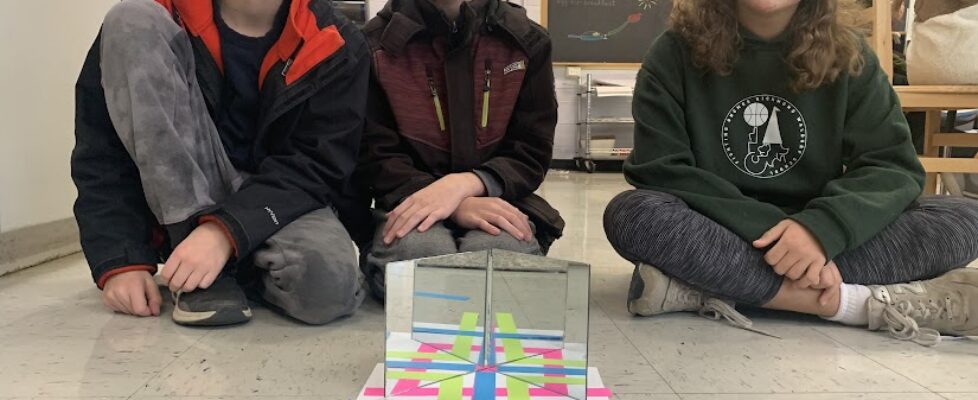
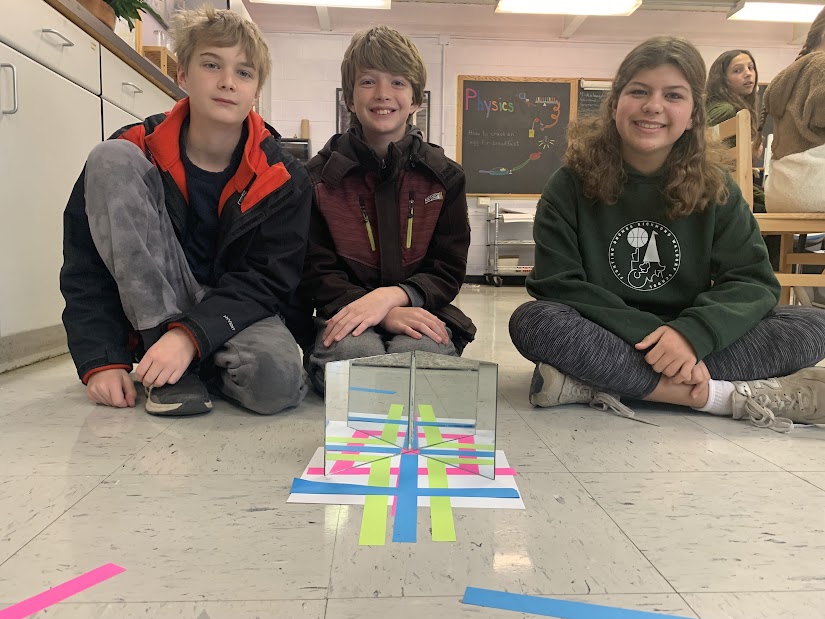
In 7th grade last year, the class studied physics. Electromagnetism was the final topic of the block, where the students revisited properties of magnets and explored how electricity and magnetism work together. Making simple motors was their final class project, showing that they could apply the principles they learned about magnetism and electricity in a meaningful way.
Instead of a block test, students created their own Rube Goldberg machines at home. It was incredible to see what they each accomplished, and they were able to demonstrate their work in class together, with popcorn! As we know, scientists must often try things over and over again before they get them right. This experience gave students the chance to explore the scientific process of discovery and innovation as they worked diligently on these projects. Not only were they able to complete the assignment, but they felt a sense of pride, accomplishment, and excitement for what they and their fellow classmates were able to do.
This is a perfect example for how we create meaningful, in-depth experiences that help students learn how to think creatively and critically to reach their goals. The concepts learned in class were connected to the projects at home in an exciting and age-appropriate way, fostering a love of learning and genuine excitement to complete the homework!
Want to Learn More?
We would love for you to explore the Waldorf approach! Get to know us and see if RWS is right for your child.
At Richmond Waldorf School, we recognize that our student’s physical, social and emotional well-being are a key part of their ability to learn and thrive. We look forward to meeting you and sharing more information about Waldorf education.
Valerie Hogan
Enrollment & Marketing Administrator
admissions@richmondwaldorf.com | 804-377-8024 ext 3
Richmond Waldorf School is a non-profit, private school in Richmond, Virginia offering Waldorf education for grades Pre-K – 8th grade.

 The developmental phase that third graders experience is called the “nine year change” and p

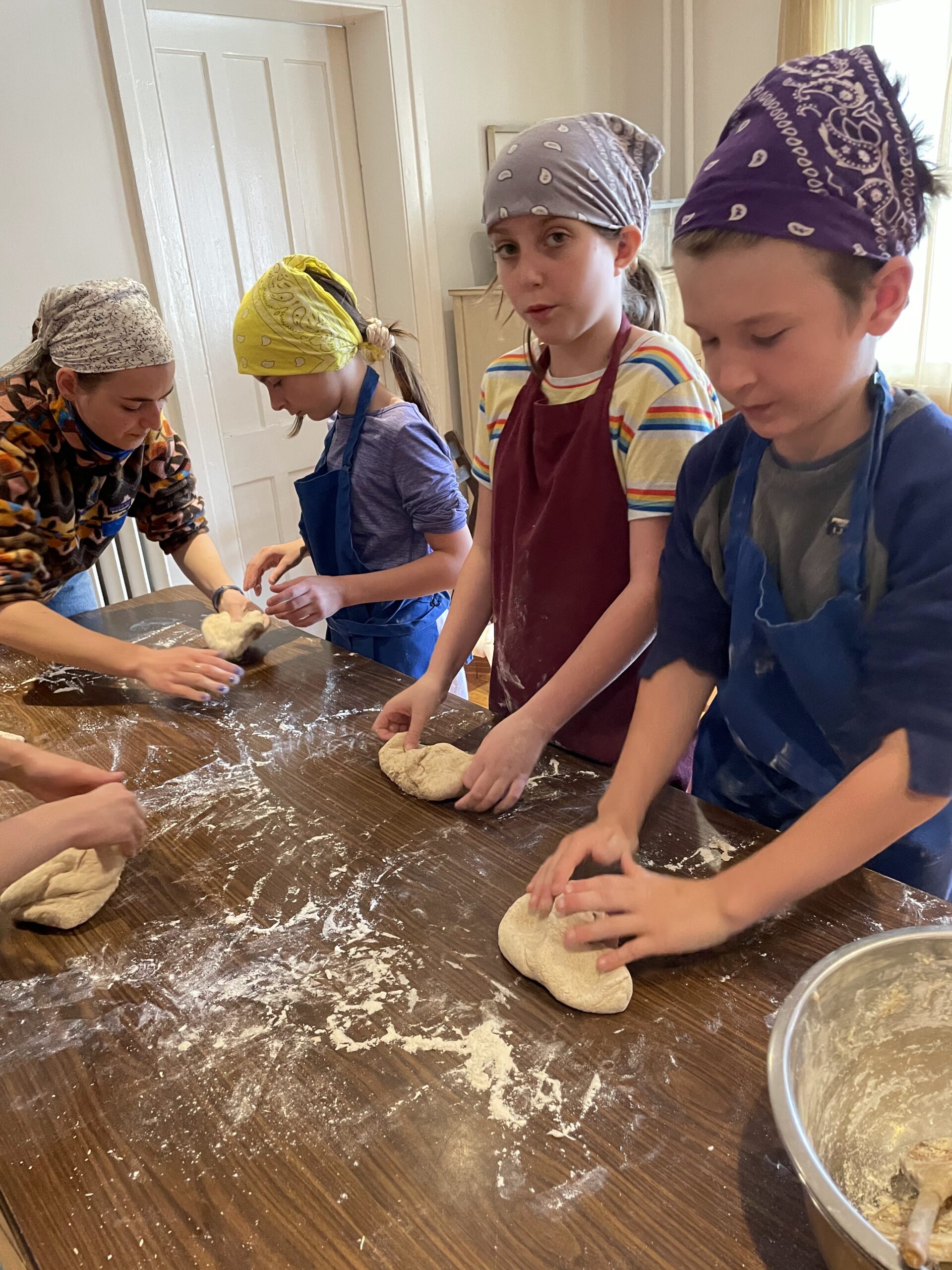
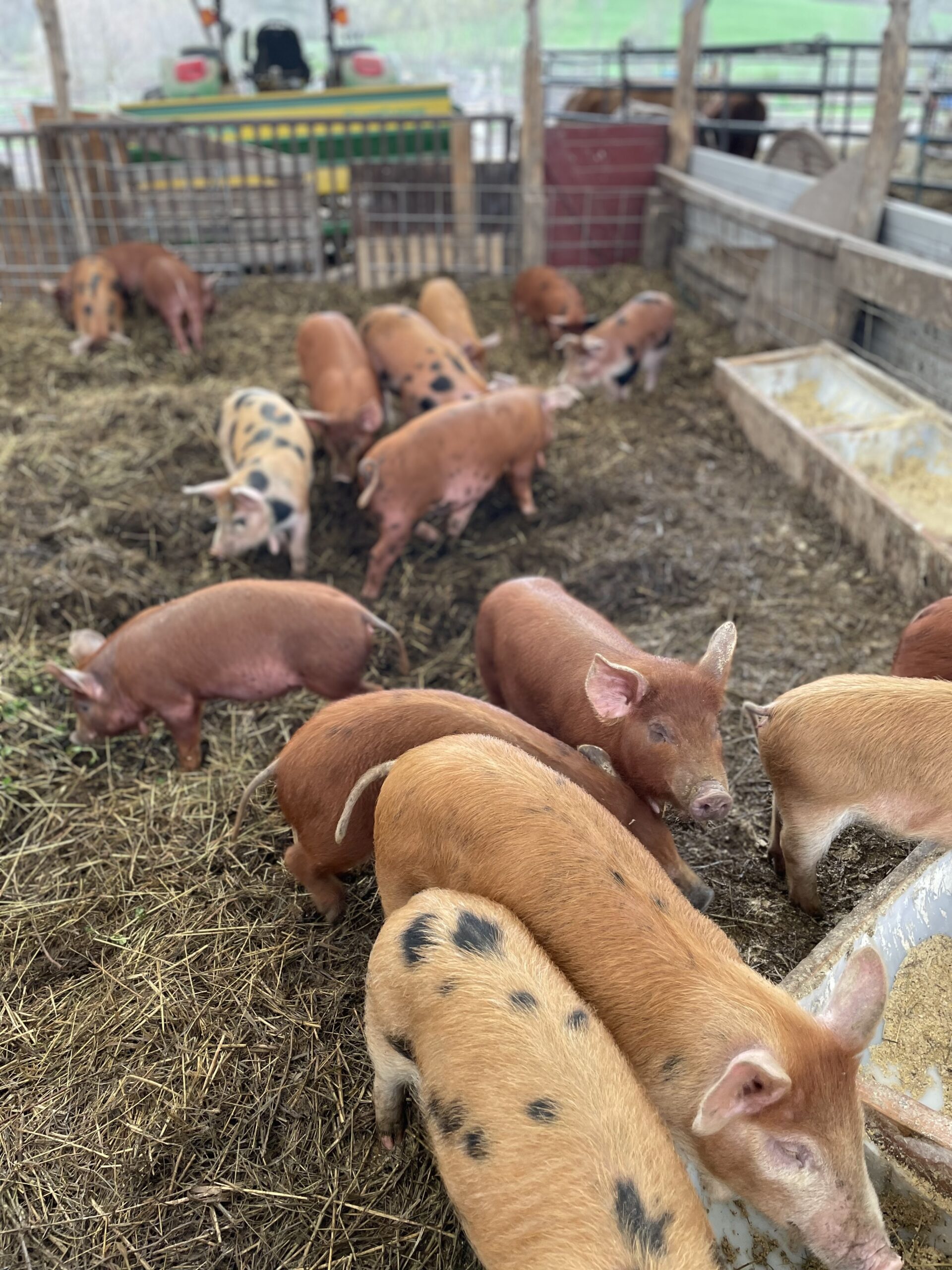
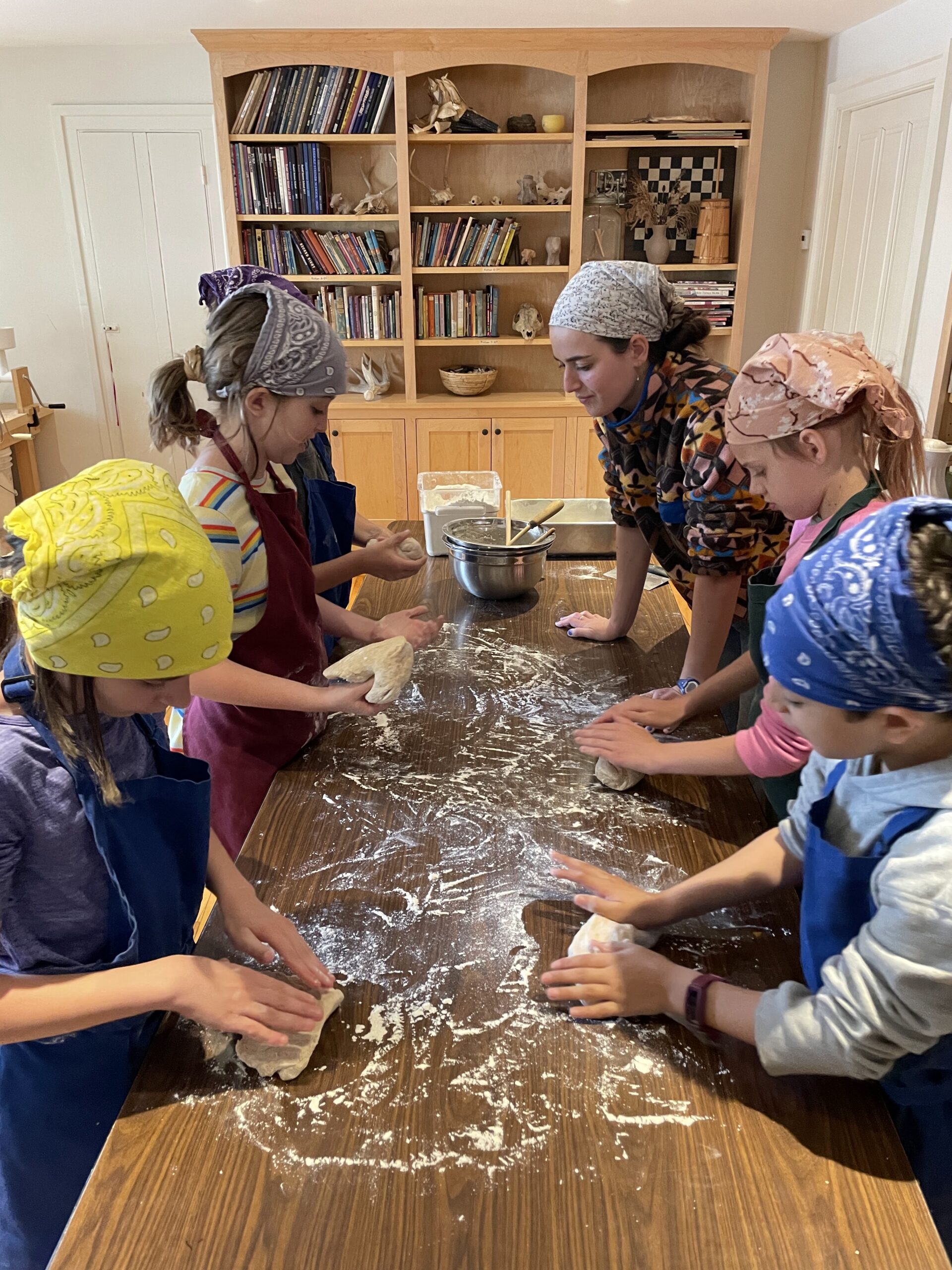
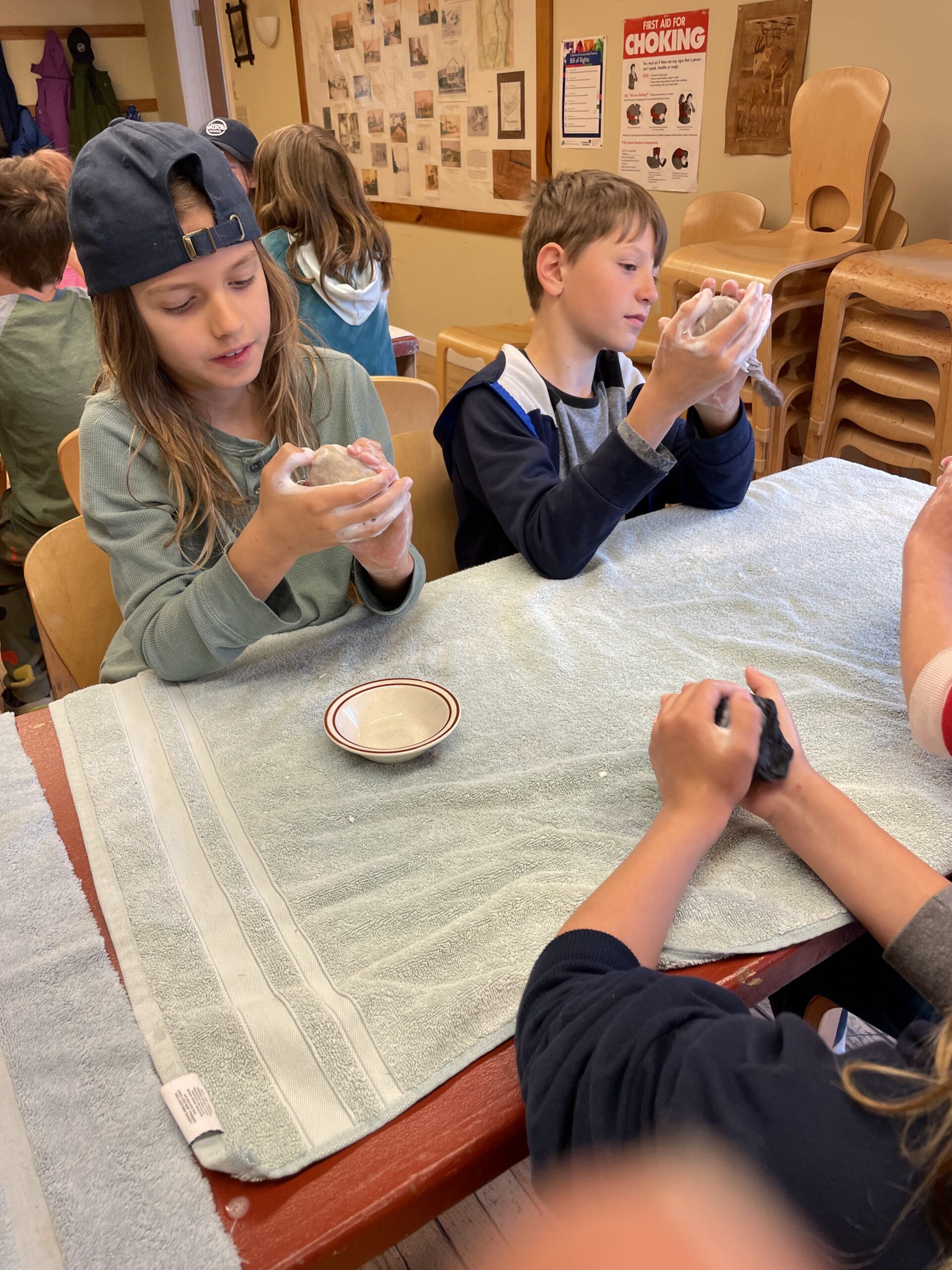


 The premise of a Waldorf education is to
 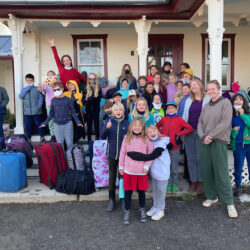 In the loving, safe environment of a Waldorf school, with long-term teachers who know them well, students can be pushed to their own individual limits, they can learn to rely on one another, and trust themselves.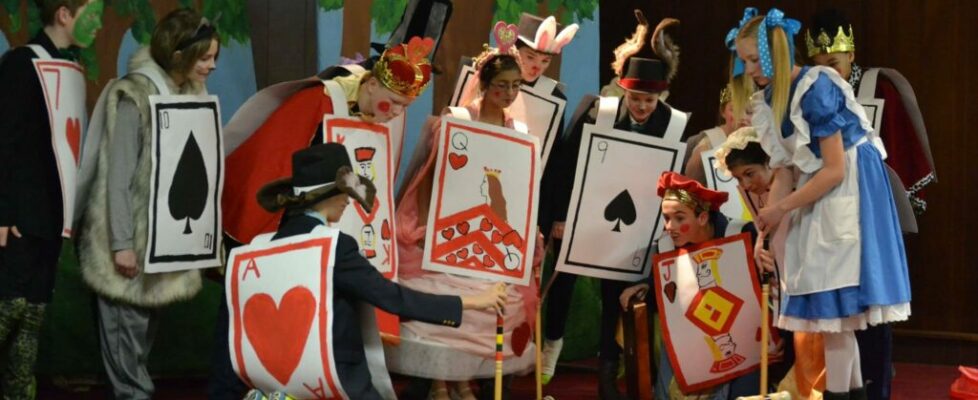
 In Waldorf schools, each grade does a play every year, and the theme of the play is often inspired by the curriculum. We give time and space for these performances and experiences because we recognize that participating in theater gives students confidence. As research supports, students who participate in theater during their formative school years reap more specific benefits as well. It gives children an opportunity to face and overcome anxiety, allows them to express new emotions, and can be an enormous boost to their self-esteem. As we see a child or a class grow over the years, it is truly impressive to watch the transformation and capacity-building happen in real time.
 Feeling worried or anxious before even a small public speaking engagement is something most adults still struggle with. Children experience these feelings as well prior to a performance, but by giving them access to that uncomfortable feeling on a regular basis through theater, and teaching them skills to overcome it, can have a lasting effect on students. RWS creates these opportunities for discomfort and growth on a daily and weekly basis, as well as the annual play performance. During our Friday Gatherings, each class takes turns sharing things they are working on it class, be it a poem, a dance, a song, or even reports they’ve written. These opportunities to stand up in front of their peers can be nerve wracking and also teach important lessons. After a performance in which a child has overcome that feeling of anxiety, they will feel increasingly confident that they can feel an uncomfortable feeling and still move forward and be successful. What a great life lesson!
 entirely new persona, and potentially express emotions that they aren’t able to in their normal lives. A child who isn’t able to express a certain emotion, might be able to when in character, or it may open the door for parents and students to have a more open conversation about sensitive subjects that the child is experiencing through their theater opportunity. We know that these experiences are outlets for students to practice and process feelings, develop empathy, and open up conversations. The teachers can use those moments as opportunities to drive a point home.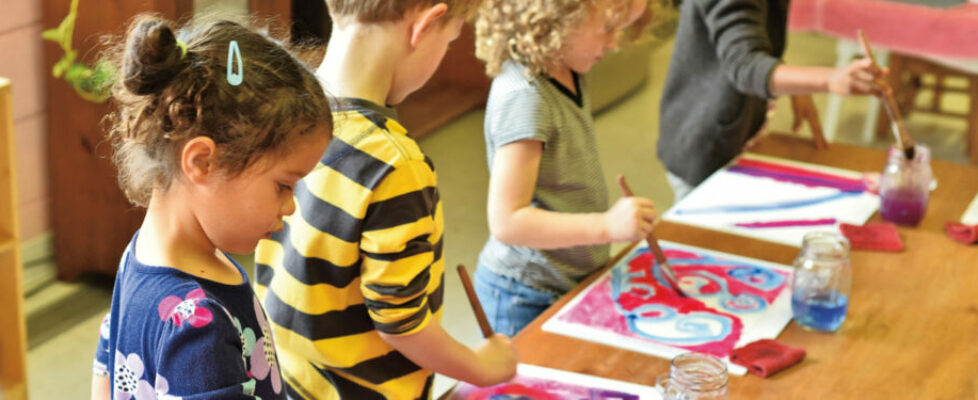
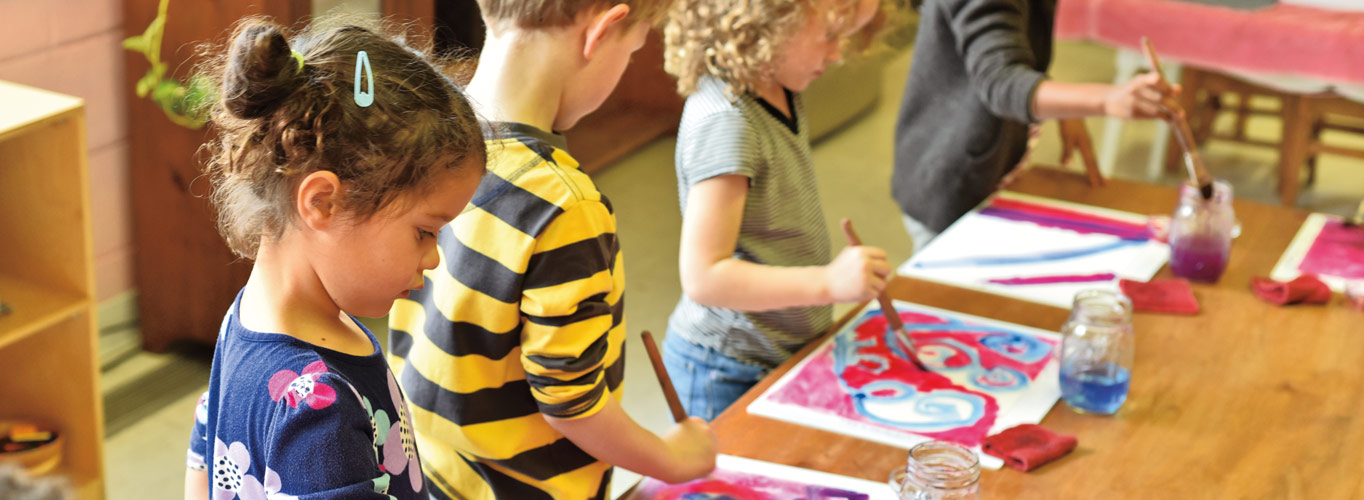
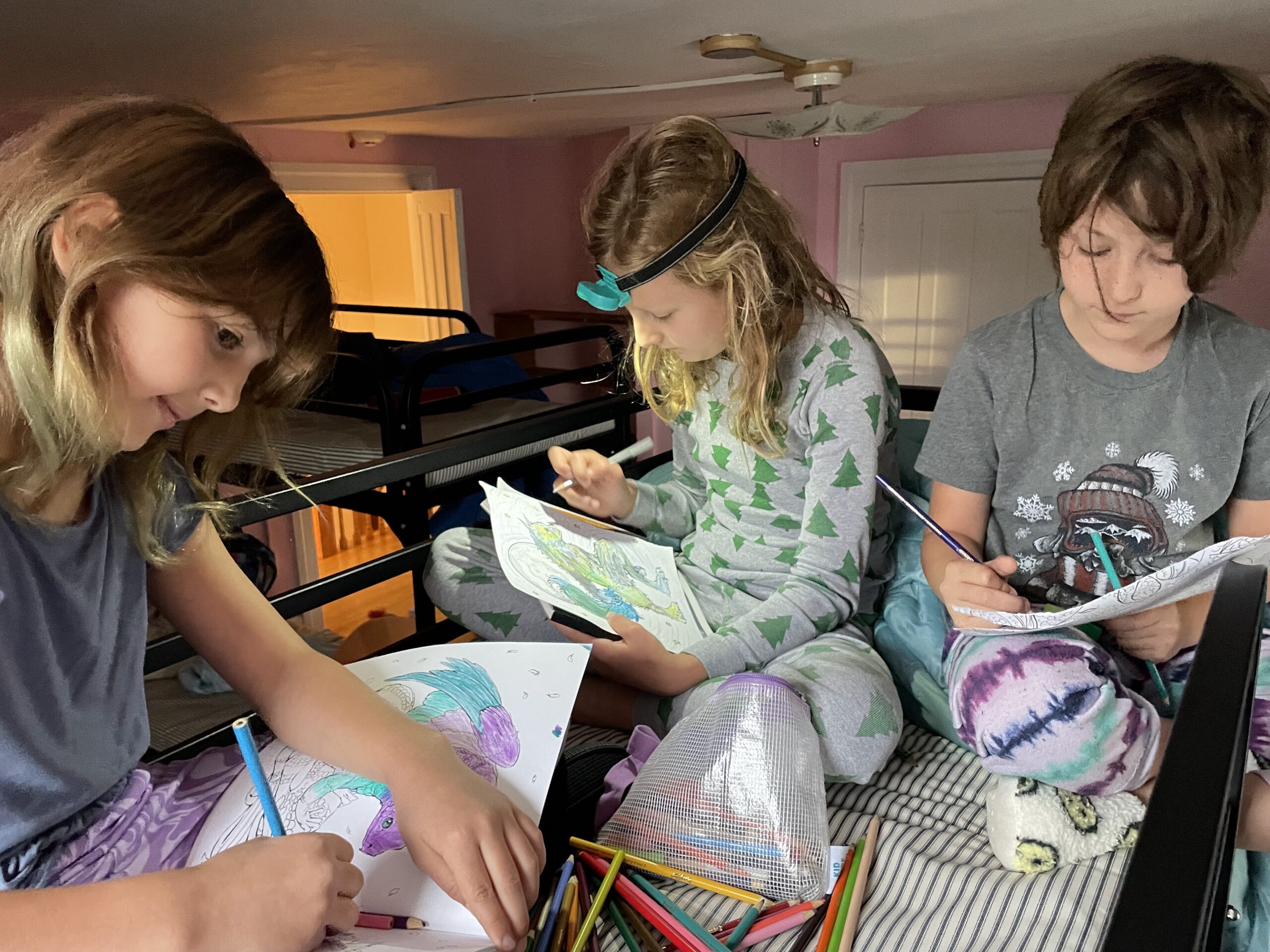
 Entering elementary and middle school, Main Lessons incorporate rich drawings and artistic expression as the children study language arts, math, science, and history. The inclusion of art and the creative impulse into traditional academics helps to engage students and find new and deeper meaning in the content. As a recent article from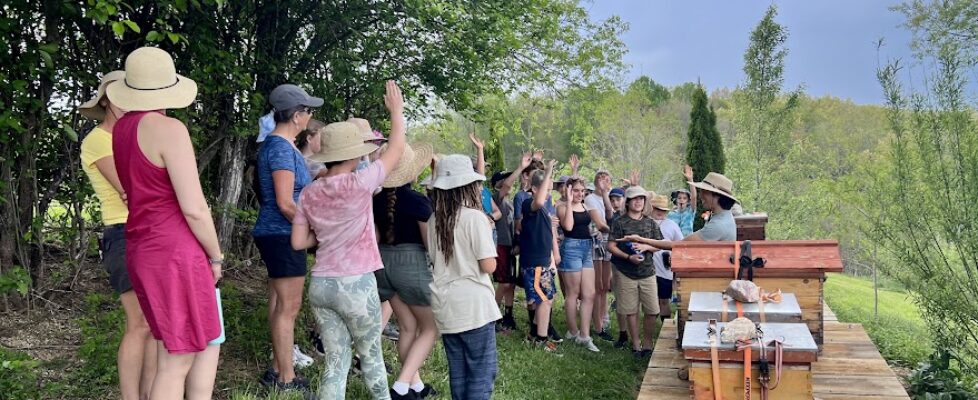
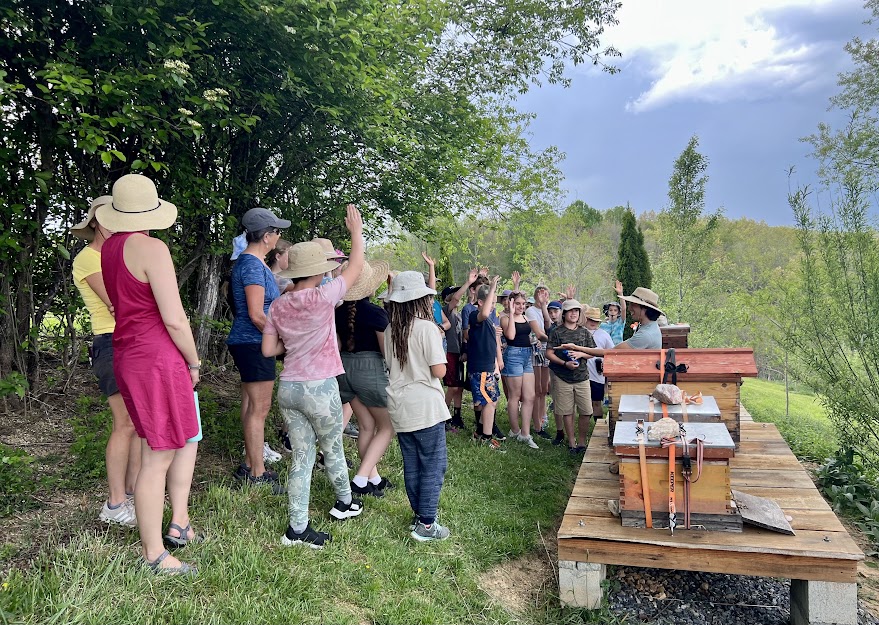
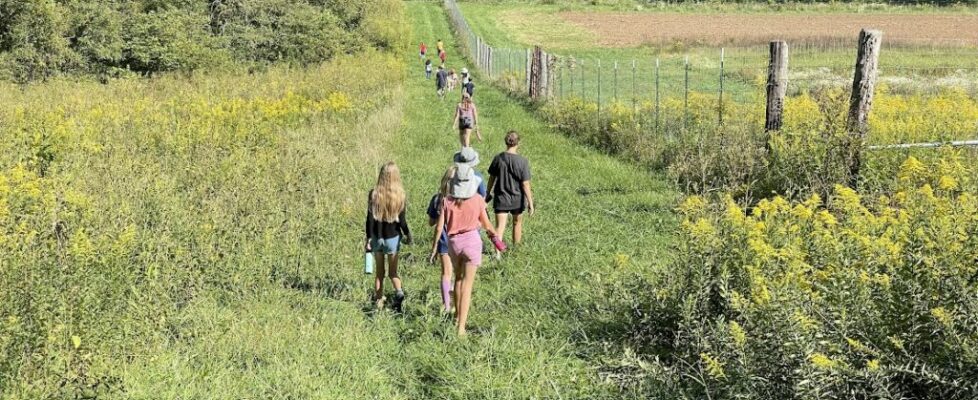
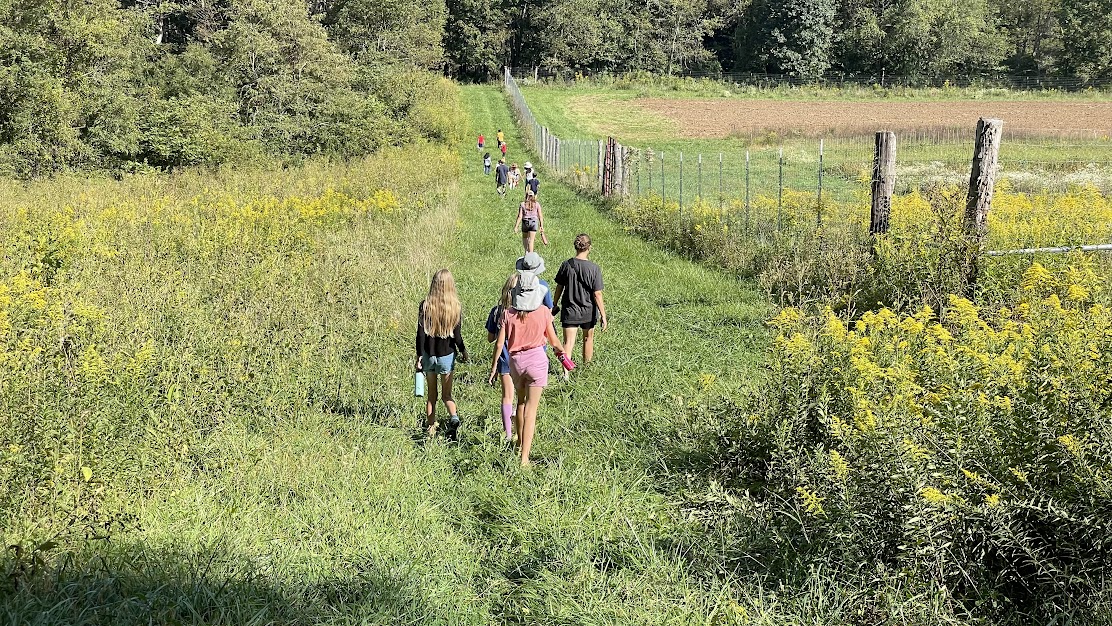
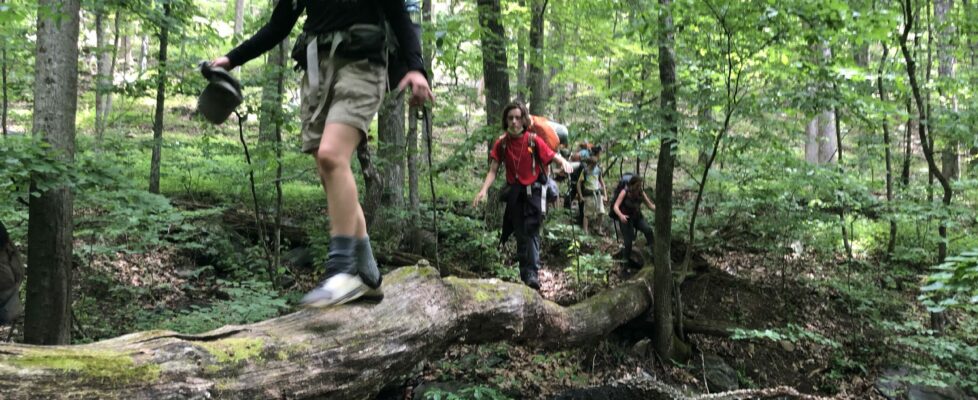
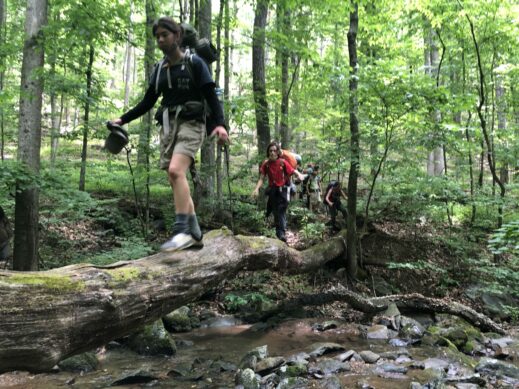
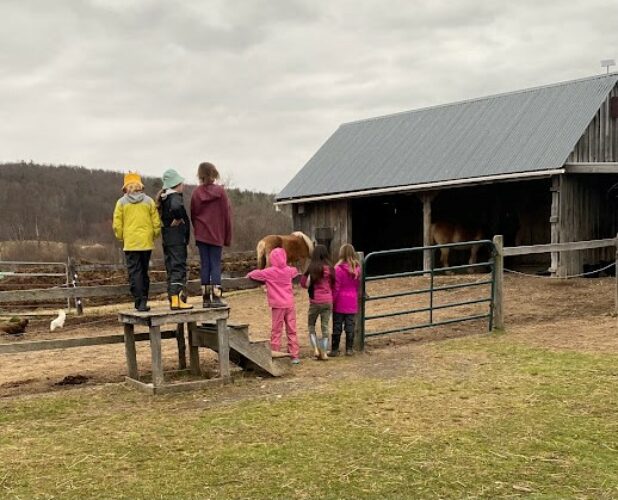
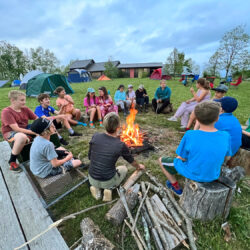 As they move into upper elementary and middle school, students study botany, geology, astronomy, chemistry, physics, and anatomy. Our teachers plan adventurous field trips to the mountains for camping, caving, kayaking, and truly experiencing the natural world as a way to teach and provide a sense of wonder. This translates into stewardship of the earth and a strong sense of environmentalism in Waldorf students. The Waldorf students deeply appreciate the beauty of nature, and as the students progress through adolescence, graduate Richmond Waldorf and move into high school and college, we see that these experiences often bloom into a strong sense to protect and preserve nature, as well as a desire to continue to have outdoor time throughout their adulthood.